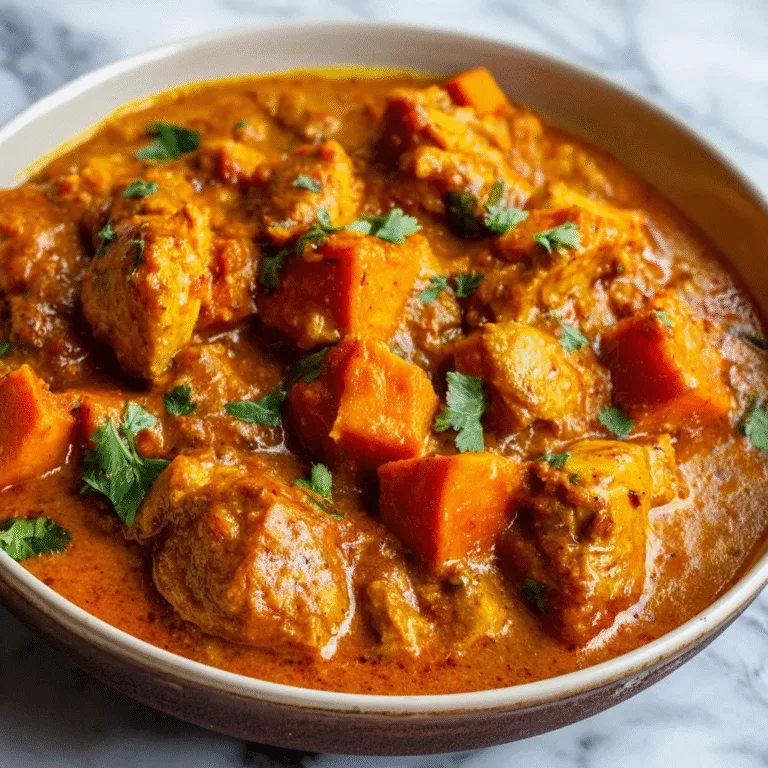
Authentic Moqueca Recipe: The Ultimate Brazilian Fish Stew with Coconut Milk
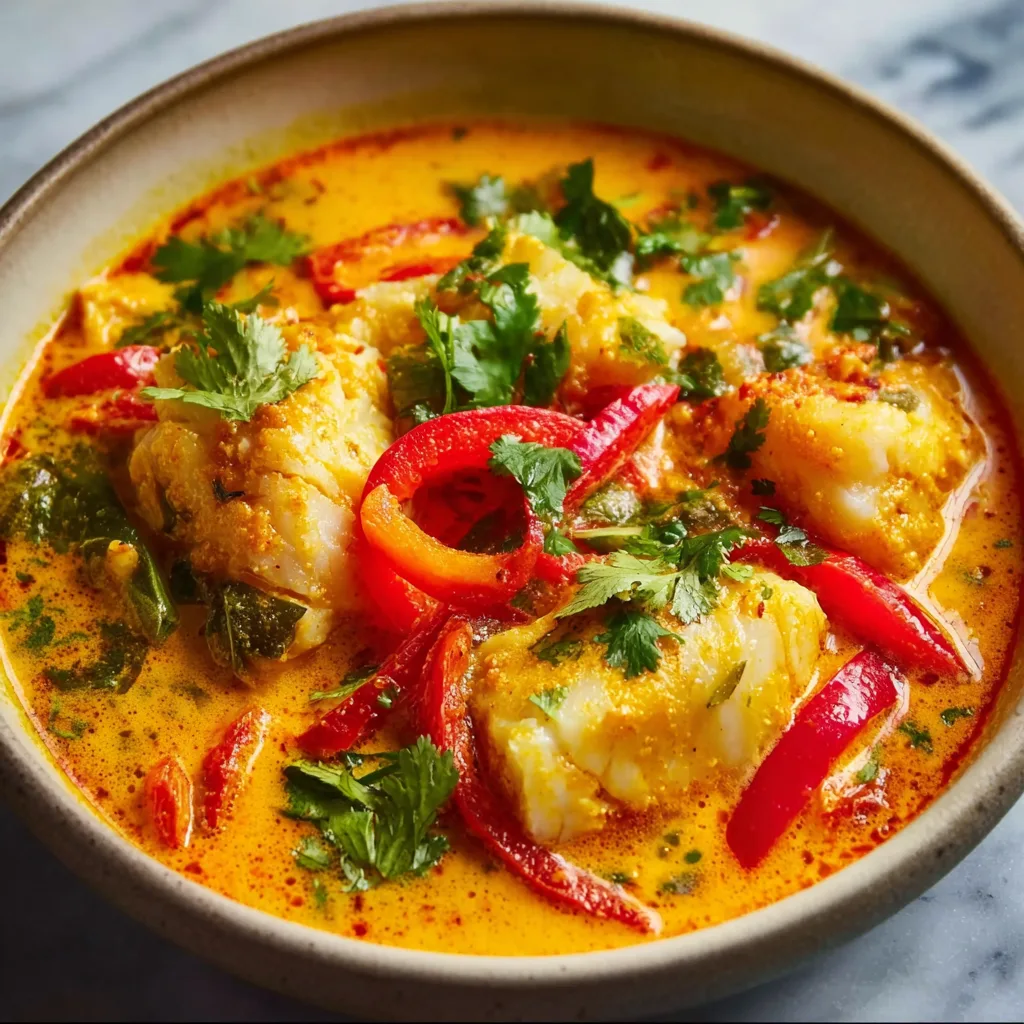
Transport your taste buds straight to the vibrant beaches of Brazil with this authentic moqueca recipe that captures the essence of traditional Brazilian coastal cuisine. This beloved fish stew, pronounced “moh-KEH-kah,” represents centuries of culinary tradition blending African, Portuguese, and indigenous Brazilian influences into one spectacular dish. The rich, creamy coconut milk base combined with dendê palm oil creates an unmistakable flavor profile that makes moqueca one of Brazil’s most treasured culinary exports.
Moqueca originated in the northeastern state of Bahia, where African slaves adapted their traditional cooking techniques using local Brazilian ingredients. The result is a vibrant, aromatic stew that celebrates the bounty of Brazil’s tropical coastline while honoring the diverse cultural heritage that shaped this remarkable cuisine. Today, this dish remains a cornerstone of Brazilian family gatherings and beachside restaurants throughout the country.

The Secret Behind Perfect Moqueca: Understanding Traditional Techniques
Creating authentic moqueca requires understanding the delicate balance of flavors that make this dish extraordinary. The foundation begins with dendê palm oil, a distinctive orange-red oil that provides the characteristic color and nutty flavor essential to traditional moqueca. This African-origin ingredient cannot be substituted without significantly altering the dish’s authentic taste profile.
The cooking technique involves building layers of flavor through careful timing and temperature control. Unlike many stews that require long simmering, moqueca achieves its complex taste through quick cooking that preserves the fish’s delicate texture while allowing the coconut milk to create a creamy, luxurious base. The key lies in maintaining gentle heat throughout the cooking process to prevent the coconut milk from curdling while ensuring the fish cooks evenly.
Traditional Brazilian cooks emphasize the importance of using a panela de barro, a clay cooking vessel that imparts subtle earthy flavors and maintains even heat distribution. While modern cooks can achieve excellent results with heavy-bottomed pans, understanding this traditional approach helps appreciate the dish’s authentic preparation methods.
Selecting the Perfect Fish for Your Moqueca Masterpiece
The choice of fish significantly impacts your moqueca’s final flavor and texture. Traditional recipes favor firm, white-fleshed fish that can withstand the cooking process without falling apart. Halibut, snapper, grouper, and cod work exceptionally well, providing the ideal balance of flavor and structure needed for this Brazilian masterpiece.
Fresh fish should have clear eyes, bright red gills, and firm flesh that springs back when pressed. The fish should smell like the ocean rather than having any strong fishy odors. When purchasing fillets, look for translucent flesh with no brown spots or dry edges, indicating optimal freshness for your moqueca preparation.
Consider the fish’s sustainability when making your selection. Many traditional moqueca fish species face overfishing pressures, making responsible choices crucial for preserving both the dish’s future and marine ecosystems. Consult local seafood guides or ask fishmongers about sustainable alternatives that maintain the authentic flavors you’re seeking.
Mastering the Art of Coconut Milk in Brazilian Cooking
Coconut milk serves as moqueca’s creamy foundation, but not all coconut milk produces equally delicious results. Full-fat canned coconut milk provides the richness and consistency needed for authentic moqueca, while light versions often lack the necessary body and flavor intensity required for this traditional dish.
Quality coconut milk should separate naturally in the can, with thick cream floating above thinner liquid. This separation indicates minimal processing and maximum flavor retention. Shake the can gently before opening to achieve the perfect consistency for your moqueca base, ensuring optimal texture throughout the cooking process.
Temperature control becomes critical when working with coconut milk in moqueca preparation. Excessive heat causes separation and curdling, resulting in an unappetizing texture that detracts from the dish’s traditional smooth, creamy appearance. Maintain gentle simmering temperatures and stir frequently to achieve the silky consistency that defines exceptional moqueca.
Essential Ingredients and Preparation Techniques
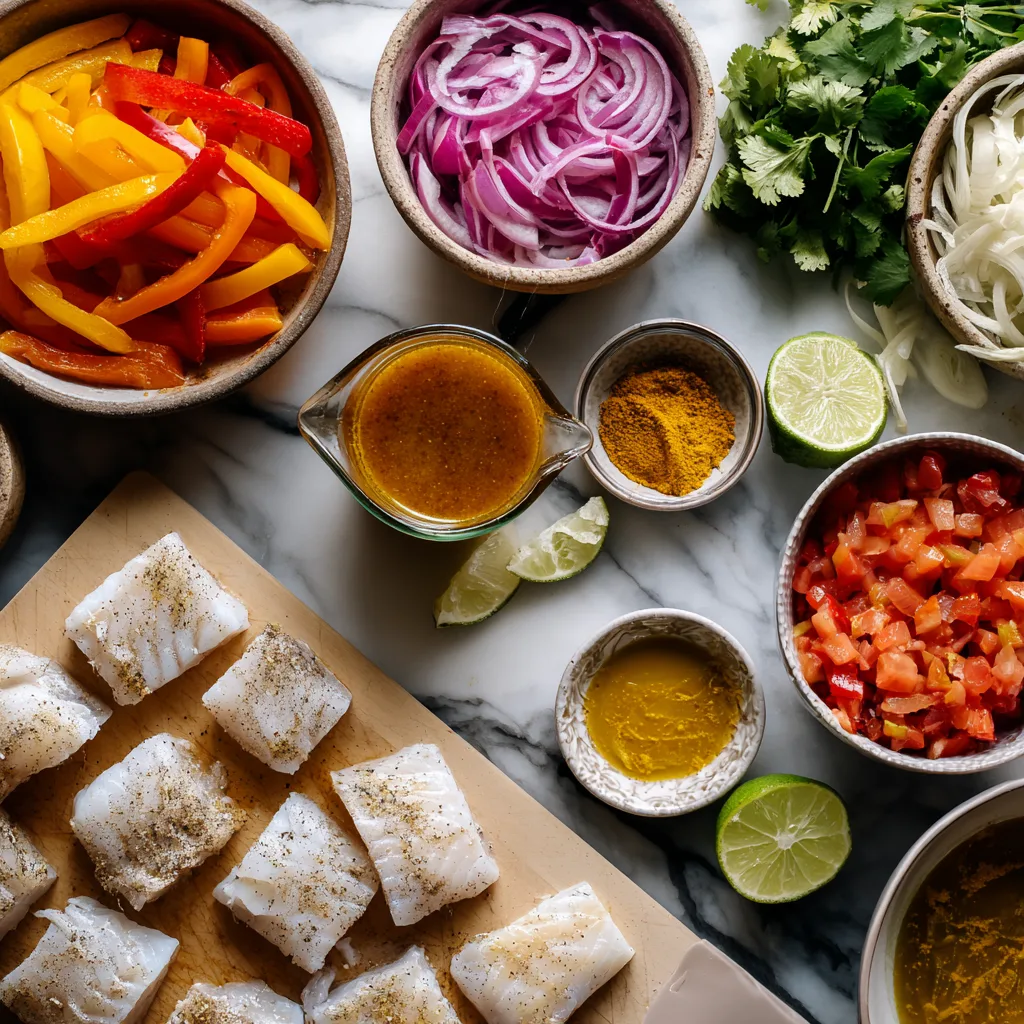
- 2 pounds fresh white fish fillets, cut into large chunks
- 1 can (14 oz) full-fat coconut milk
- 2 tablespoons dendê palm oil
- 1 large onion, sliced
- 2 bell peppers (red and yellow), sliced
- 3 tomatoes, diced
- 4 cloves garlic, minced
- 1 bunch fresh cilantro, chopped
- 2 limes, juiced
- Salt and black pepper to taste
- Hot sauce or malagueta peppers (optional)
Instructions
- Season fish chunks generously with salt, pepper, and half the lime juice, allowing flavors to penetrate for 15 minutes at room temperature.
- Heat dendê palm oil in a large, heavy-bottomed pan over medium heat, creating the foundation for authentic moqueca flavor development.
- Sauté onions and bell peppers until softened and fragrant, approximately 5-7 minutes, building the aromatic base layer.
- Add minced garlic and diced tomatoes, cooking until tomatoes break down and release their juices, creating a rich vegetable foundation.
- Pour coconut milk into the pan, stirring gently to combine with vegetables while maintaining smooth consistency throughout.
- Bring mixture to a gentle simmer, then carefully add seasoned fish pieces, ensuring even distribution throughout the coconut milk base.
- Cook fish for 8-10 minutes until opaque and flaky, avoiding overcooking that can result in tough, rubbery texture.
- Stir in fresh cilantro and remaining lime juice, adjusting seasoning with salt, pepper, and hot sauce according to taste preferences.
- Serve immediately over steamed rice with additional lime wedges and fresh cilantro for garnish, maintaining optimal temperature and texture.
Moqueca (Brazilian Fish Stew)
Ingredients
Equipment
Method
- Season fish chunks with salt, pepper, and half the lime juice. Let marinate for 15 minutes.
- Heat dendê palm oil in a large, heavy-bottomed pan over medium heat.
- Sauté onions and bell peppers until softened and fragrant, about 5-7 minutes.
- Add minced garlic and diced tomatoes, cooking until tomatoes break down and release juices.
- Pour coconut milk into pan, stirring gently to combine with vegetables.
- Bring mixture to gentle simmer, then carefully add seasoned fish pieces.
- Cook fish for 8-10 minutes until opaque and flaky, avoiding overcooking.
- Stir in fresh cilantro and remaining lime juice, adjusting seasoning to taste.
- Serve immediately over steamed rice with lime wedges and fresh cilantro garnish.
Notes
Perfecting Your Moqueca: Professional Tips and Techniques
Temperature management separates exceptional moqueca from mediocre attempts. Professional Brazilian chefs emphasize maintaining consistent gentle heat throughout the cooking process, preventing coconut milk separation while ensuring fish cooks evenly. Use a heavy-bottomed pan to distribute heat evenly and prevent hot spots that can cause sticking or burning.
Timing plays a crucial role in moqueca perfection. Add ingredients in the correct sequence to build flavors progressively while preventing overcooking. Fish requires minimal cooking time in the hot coconut milk base, so prepare all other ingredients before adding the protein to ensure optimal results.
Taste adjustment occurs throughout the cooking process rather than only at the end. Brazilian cooks continuously sample and adjust seasonings, balancing acidity from lime juice with richness from coconut milk and heat from peppers. This ongoing refinement creates the complex flavor profile that defines authentic moqueca.
Serving Suggestions and Traditional Brazilian Accompaniments
Moqueca traditionally accompanies fluffy white rice that absorbs the flavorful coconut milk broth, creating a complete and satisfying meal. Brazilian cooks often prepare rice with coconut milk for added richness and complementary flavors that enhance the overall dining experience.
Farofa, toasted cassava flour mixture, provides textural contrast and authentic Brazilian flavor pairing with moqueca. This traditional accompaniment adds crunch and nutty flavors that complement the stew’s creamy consistency while representing genuine Brazilian culinary tradition.
Fresh lime wedges and hot sauce allow diners to customize their moqueca experience according to personal preferences. Quality cachaca or Brazilian beer provides traditional beverage pairings that complement the dish’s tropical flavors while maintaining cultural authenticity.
Wrapping Up Your Brazilian Culinary Adventure
Mastering authentic moqueca opens doors to Brazil’s rich culinary heritage while providing a spectacular centerpiece for memorable meals. This traditional fish stew represents more than just a recipe – it embodies centuries of cultural fusion and coastal cooking wisdom that continues inspiring home cooks worldwide.
The techniques learned through moqueca preparation translate to numerous other Brazilian dishes, making this recipe an valuable foundation for exploring South American cuisine further. From understanding dendê palm oil’s unique properties to mastering coconut milk cooking techniques, these skills enhance your overall culinary repertoire significantly.