Brown Sugar Soy Sauce Salmon Recipe – Perfect Glazed Fish in 20 Minutes 🐟
Looking for a restaurant-quality salmon dish that takes less than 30 minutes to prepare? This brown sugar soy sauce salmon delivers incredible flavor with a beautiful caramelized glaze that will have your family asking for seconds. The combination of sweet brown sugar and savory soy sauce creates the perfect balance of flavors that transforms ordinary salmon into an extraordinary meal.
Why This Brown Sugar Soy Sauce Salmon Recipe Works
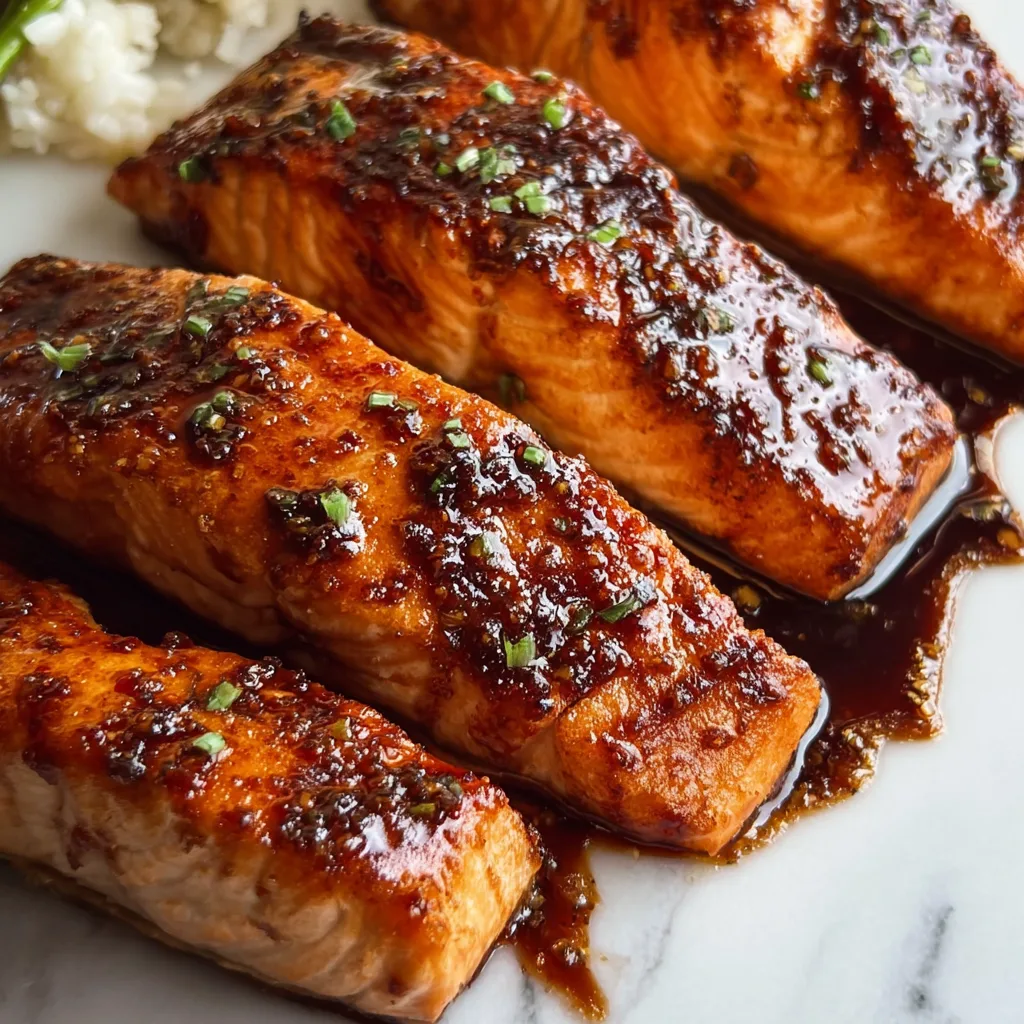
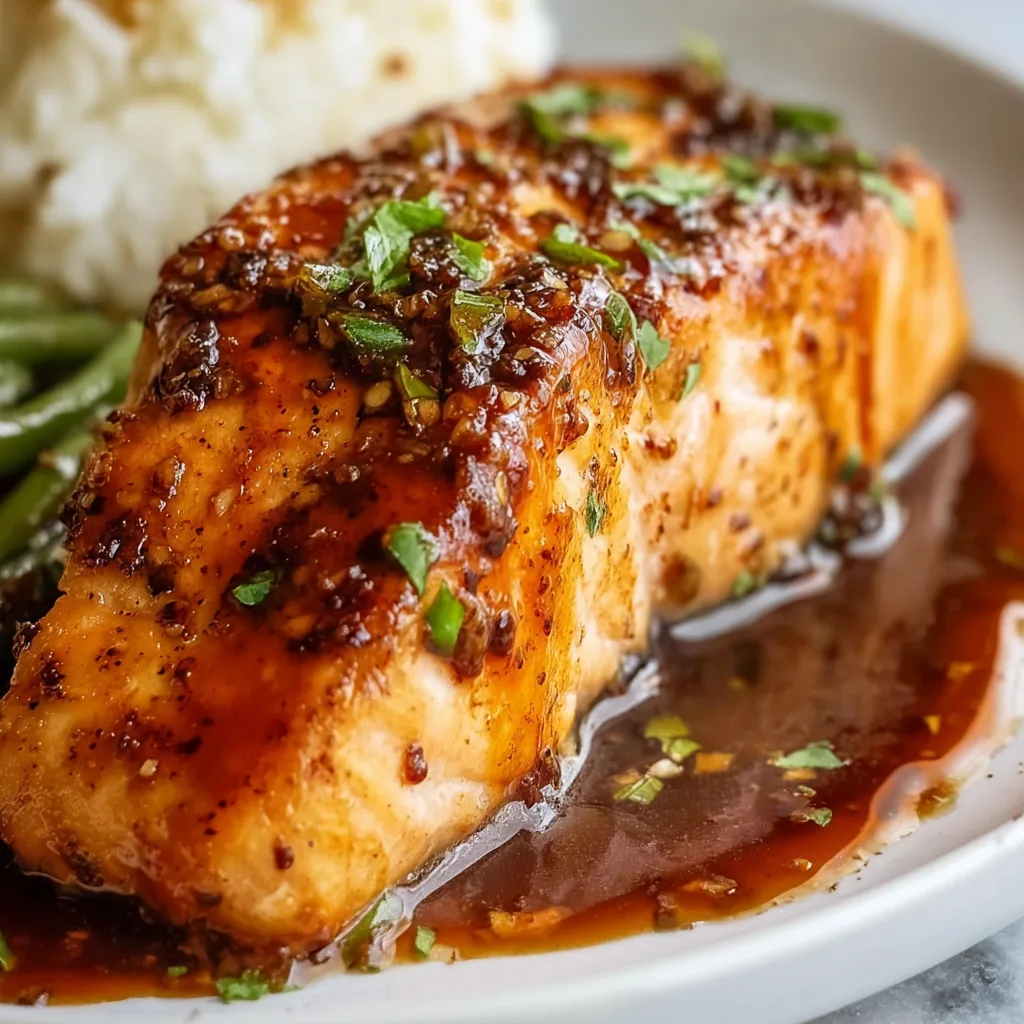
This recipe succeeds because it relies on simple pantry ingredients that work together to create complex flavors. The brown sugar caramelizes during cooking, forming a glossy glaze that not only looks impressive but also locks in the salmon’s natural moisture. Meanwhile, the soy sauce provides umami depth and helps balance the sweetness while adding that signature Asian-inspired taste profile.
The key to achieving the perfect glaze lies in the cooking technique. By starting with a hot pan and allowing the sugars to caramelize properly, you create that coveted sticky, glossy coating that makes this dish so visually appealing and delicious. The result is tender, flaky salmon with a beautifully caramelized exterior that’s both sweet and savory.
Essential Ingredients for Perfect Results
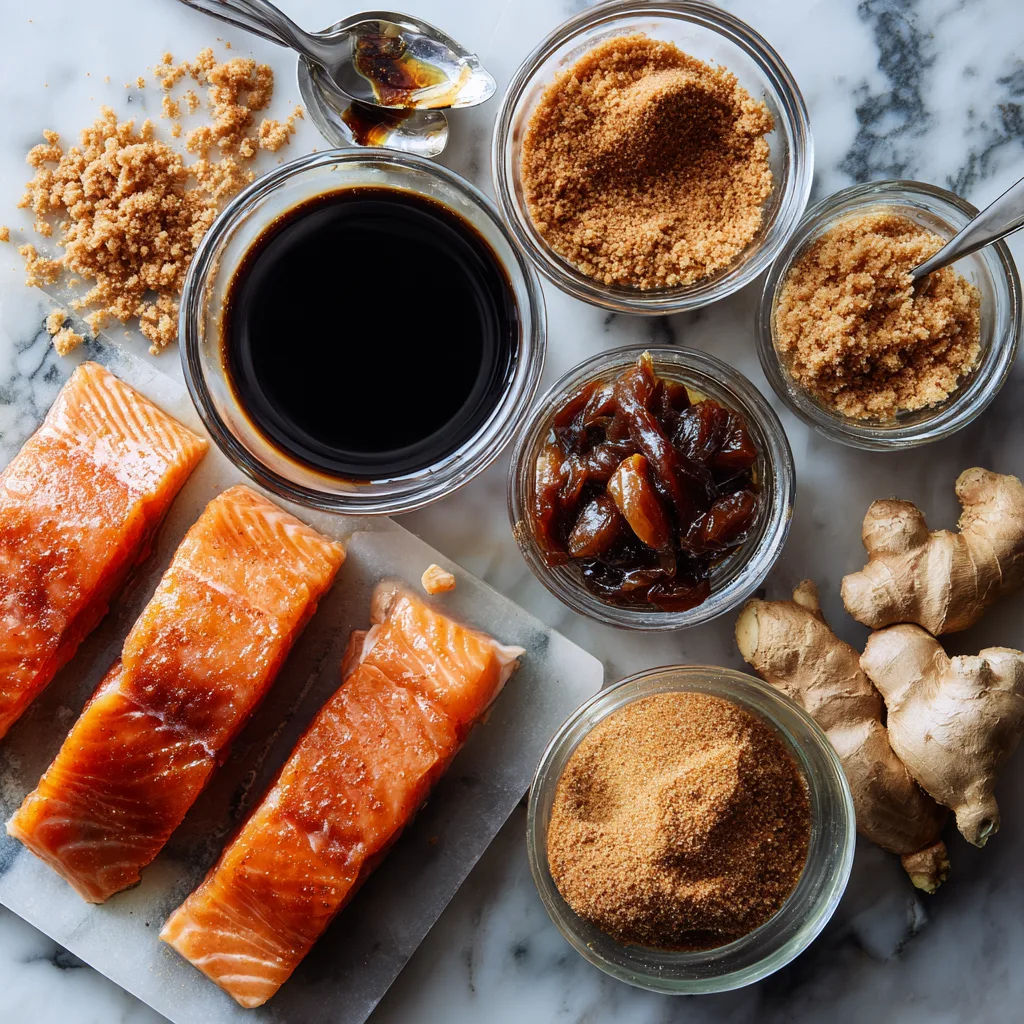
Quality ingredients make all the difference in this recipe. Fresh salmon fillets work best, though frozen and properly thawed salmon will also produce excellent results. Look for fillets that are uniform in thickness to ensure even cooking. The brown sugar should be packed firmly when measuring to get the right sweetness level, while low-sodium soy sauce prevents the dish from becoming overly salty.
Fresh garlic and ginger elevate the flavor profile significantly, though garlic powder and ground ginger can substitute in a pinch. The rice vinegar adds a subtle tang that brightens the overall taste, while a touch of sesame oil provides authentic Asian flavor depth. Don’t skip the green onions for garnish – they add color, freshness, and a mild onion flavor that complements the rich glaze perfectly.
Ingredients
- 4 salmon fillets (6 oz each)
- 1/2 cup brown sugar, packed
- 1/4 cup low-sodium soy sauce
- 3 cloves garlic, minced
- 1 tablespoon fresh ginger, grated
- 2 tablespoons rice vinegar
- 1 tablespoon sesame oil
- 2 green onions, chopped
- 1 tablespoon vegetable oil
- Salt and pepper to taste
- Sesame seeds for garnish (optional)
Instructions
- Pat salmon fillets dry with paper towels and season both sides with salt and pepper. Let rest at room temperature for 10 minutes.
- In a small bowl, whisk together brown sugar, soy sauce, minced garlic, grated ginger, rice vinegar, and sesame oil until well combined.
- Heat vegetable oil in a large skillet over medium-high heat until shimmering and hot.
- Place salmon fillets skin-side up in the hot skillet and cook for 4-5 minutes until golden brown on the bottom.
- Flip salmon carefully and pour the brown sugar soy sauce mixture over the fillets.
- Reduce heat to medium and cook for 3-4 minutes, spooning the glaze over the salmon frequently.
- Continue cooking until the glaze thickens and becomes glossy, and salmon reaches internal temperature of 145°F.
- Remove from heat and let rest for 2 minutes before serving. Garnish with chopped green onions and sesame seeds.
Brown Sugar Soy Sauce Salmon
Ingredients
Equipment
Method
- Pat salmon fillets dry with paper towels and season both sides with salt and pepper. Let rest at room temperature for 10 minutes.
- In a small bowl, whisk together brown sugar, soy sauce, minced garlic, grated ginger, rice vinegar, and sesame oil until well combined.
- Heat vegetable oil in a large skillet over medium-high heat until shimmering and hot.
- Place salmon fillets skin-side up in the hot skillet and cook for 4-5 minutes until golden brown on the bottom.
- Flip salmon carefully and pour the brown sugar soy sauce mixture over the fillets.
- Reduce heat to medium and cook for 3-4 minutes, spooning the glaze over the salmon frequently.
- Continue cooking until the glaze thickens and becomes glossy, and salmon reaches internal temperature of 145°F.
- Remove from heat and let rest for 2 minutes before serving. Garnish with chopped green onions and sesame seeds.
Notes
Pro Tips for Restaurant-Quality Results
Temperature control is crucial for this recipe. If the heat is too high, the sugar will burn before the salmon cooks through. Medium heat allows the glaze to caramelize properly while ensuring the fish cooks evenly. Use a meat thermometer to check doneness – salmon should reach 145°F internal temperature for food safety while remaining moist and tender.
Basting the salmon with the glaze as it cooks helps build up that beautiful, thick coating. Use a spoon to continuously drizzle the pan juices over the fillets, which also helps prevent the fish from drying out. The glaze will thicken as it cooks, so don’t worry if it seems thin initially.
For extra caramelization, you can finish the salmon under the broiler for 1-2 minutes, but watch carefully to prevent burning. This technique creates an even more dramatic glaze and adds subtle smoky notes to the dish.
Creative Serving Suggestions and Variations
This versatile salmon pairs beautifully with steamed jasmine rice or brown rice to soak up the delicious glaze. Roasted vegetables like broccoli, asparagus, or Brussels sprouts complement the Asian flavors perfectly. For a lighter option, serve over cauliflower rice or with a simple Asian slaw.
The glaze works wonderfully with other fish varieties too. Try it with cod, mahi-mahi, or even chicken thighs for variety. For meal prep, cook the salmon and store in the refrigerator for up to 3 days – the flavors actually improve over time.
Consider doubling the glaze recipe and saving half for dipping sauce or drizzling over steamed vegetables. The sauce keeps well in the refrigerator and can transform simple grilled meats or roasted vegetables into something special.
Nutritional Benefits and Health Considerations
Salmon provides excellent nutrition, packed with omega-3 fatty acids that support heart and brain health. A 6-ounce serving delivers about 35 grams of high-quality protein along with essential vitamins like B12 and vitamin D. While this recipe does contain added sugar, the amount per serving is reasonable when part of a balanced diet.
To reduce sodium content, use low-sodium soy sauce or coconut aminos as a substitute. The natural sweetness from brown sugar can be reduced slightly if desired, though this may affect the glaze’s consistency and caramelization properties.
The cooking method – pan-searing rather than deep frying – keeps the dish relatively healthy while still delivering maximum flavor. Serving with plenty of vegetables increases the nutritional value and creates a well-balanced meal.
Troubleshooting Common Cooking Challenges
If your glaze isn’t thickening properly, increase the heat slightly and continue cooking while basting frequently. The sugars need adequate heat to caramelize and create that signature glossy coating. Conversely, if the glaze is cooking too quickly and threatening to burn, reduce heat and add a tablespoon of water to slow the process.
Overcooked salmon becomes dry and tough, so pay attention to timing and internal temperature. If your fillets are particularly thick, you may need an extra minute or two of cooking time. Thinner fillets will cook faster, so adjust accordingly.
For those concerned about the salmon sticking to the pan, ensure your skillet is properly heated and use enough oil. A well-seasoned cast iron or non-stick pan works best for this recipe.
Storage and Reheating Instructions
Leftover glazed salmon stores well in the refrigerator for up to 3 days when properly covered. The glaze may solidify when cold but will become glossy again when gently reheated. For best results, reheat in a low oven (300°F) for 8-10 minutes rather than using the microwave, which can make the fish rubbery.
The salmon can also be flaked and used in salads, grain bowls, or pasta dishes. The sweet and savory glaze adds incredible flavor to these preparations and transforms leftovers into completely new meals.
For longer storage, the cooked salmon can be frozen for up to 2 months, though the texture may change slightly upon thawing. Freeze in individual portions for convenient meal planning.
Perfect Timing for Entertaining
This recipe is ideal for dinner parties because it looks impressive but requires minimal active cooking time. You can prepare the glaze mixture several hours ahead and have everything ready to go when guests arrive. The actual cooking takes less than 15 minutes, leaving you free to focus on side dishes and entertaining.
For larger groups, this recipe scales up beautifully. Use a large skillet or cook in batches, keeping the first batch warm in a low oven while preparing the rest. The dramatic presentation never fails to impress, and the familiar flavors please even picky eaters.
Consider serving this as part of an Asian-inspired menu alongside steamed dumplings, miso soup, and stir-fried vegetables for a complete themed dinner experience.
Conclusion: Master This Show-Stopping Salmon Recipe
Brown sugar soy sauce salmon proves that simple ingredients can create extraordinary results. With just a handful of pantry staples and fresh salmon, you can prepare a restaurant-quality meal that rivals expensive takeout. The combination of sweet caramelized glaze and perfectly cooked fish creates a dish that’s both comforting and elegant.
Whether you’re cooking for weeknight family dinners or special occasions, this recipe delivers consistent, delicious results that will have everyone asking for the recipe. Master this technique, and you’ll have a go-to meal that never fails to impress while remaining surprisingly simple to execute.