Chicken Fajita Bowls: A Colorful Weeknight Dinner Everyone Will Love
When life gets busy and you need a reliable dinner solution that brings excitement to the table without demanding hours in the kitchen, chicken fajita bowls deliver exactly what your family craves. This vibrant dish combines perfectly seasoned chicken strips with colorful bell peppers, fluffy rice, and an array of toppings that create a complete meal in one satisfying bowl. Whether you’re feeding picky eaters, health-conscious family members, or simply looking for a delicious way to use up those vegetables in your fridge, these chicken fajita bowls check every box while remaining incredibly simple to prepare.

The beauty of this recipe lies not just in its flavors but in its remarkable versatility. You can customize each bowl according to individual preferences, making it perfect for families with varying tastes. Kids might prefer their bowls with extra cheese and mild seasoning, while adults can load up on peppers, onions, and spicy additions. The base recipe provides a foolproof foundation that guarantees success every single time, whether you’re a beginner cook tackling your first homemade Mexican-inspired meal or an experienced home chef looking for a reliable weeknight favorite.
What makes chicken fajita bowls particularly appealing is their balance of nutrition and satisfaction. Unlike heavy, carb-loaded meals that leave you feeling sluggish, these bowls provide lean protein from chicken, complex carbohydrates from rice, fiber from beans, and vitamins from colorful vegetables. The combination creates a well-rounded meal that energizes rather than weighs you down. Plus, the visual appeal of vibrant reds, greens, and yellows arranged in a bowl makes dinner feel special without requiring any advanced plating skills.
This recipe has become a staple in countless households because it solves multiple dinnertime dilemmas simultaneously. It’s quick enough for weeknight cooking, impressive enough for casual entertaining, budget-friendly enough for regular meal rotation, and flexible enough to accommodate dietary preferences. The preparation process allows you to work efficiently, cooking components simultaneously rather than following a complicated sequence of steps. Before you know it, you’ll have a restaurant-quality meal ready to serve in less time than it would take to wait for delivery.
The Story Behind Fajita Bowls
Fajita bowls represent a delicious evolution of traditional Mexican fajitas, transforming the classic sizzling skillet presentation into a convenient, customizable bowl format. While authentic fajitas originated in Texas ranch country where cowboys would grill strips of beef over open fires, modern interpretations have expanded to include chicken, seafood, and vegetarian options. The bowl format emerged as home cooks and restaurant chefs recognized that diners loved fajita flavors but appreciated the ease of eating everything together rather than assembling individual tacos.
The transition from plate to bowl might seem minor, but it significantly impacts the eating experience. In a bowl, the juices from seasoned chicken and sautéed peppers mingle with rice, creating flavor in every bite rather than separating into distinct components. The format also makes meal prep more practical, as you can prepare large batches and store them in individual containers for easy grab-and-go lunches throughout the week. College students, busy professionals, and meal-prep enthusiasts have embraced fajita bowls as the perfect solution for maintaining homemade nutrition in hectic schedules.
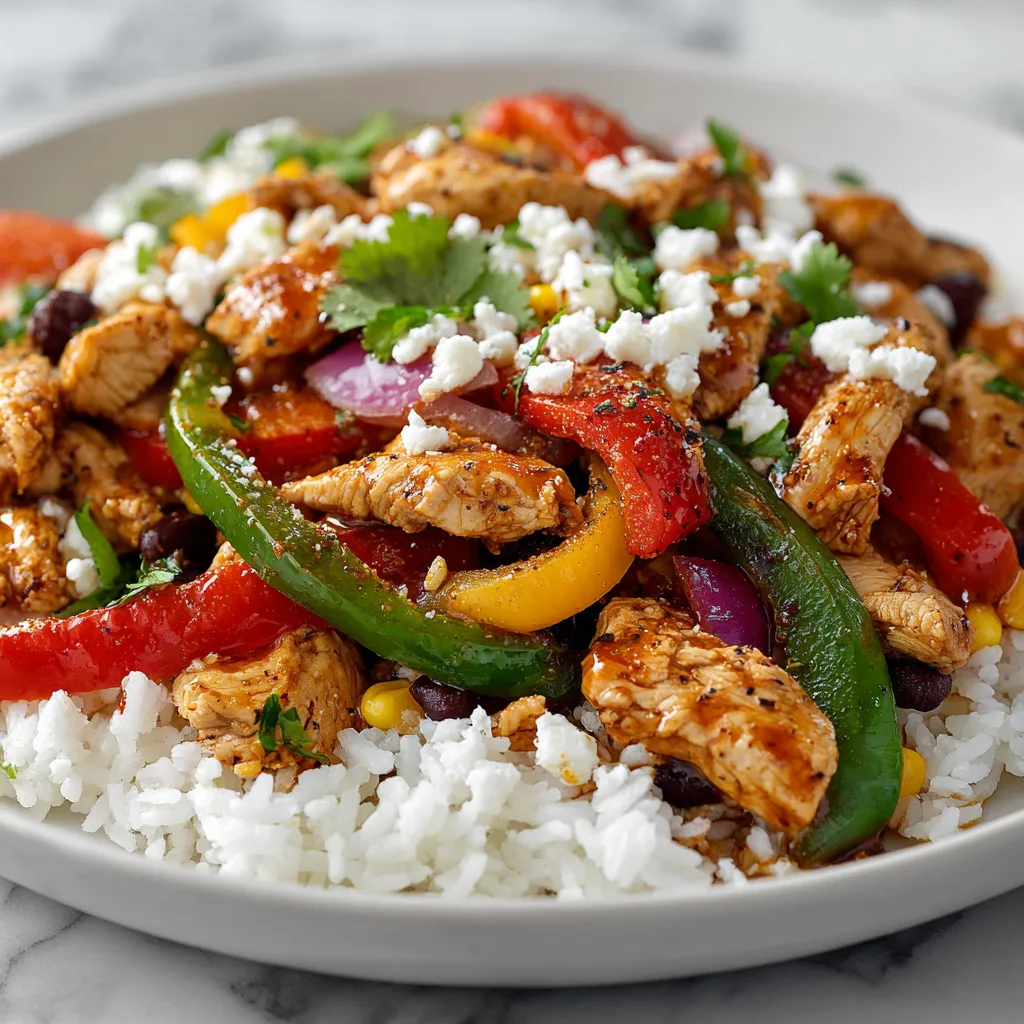
What distinguishes truly exceptional fajita bowls from mediocre versions comes down to proper seasoning and cooking technique. Many home cooks make the mistake of under-seasoning their chicken or cooking vegetables until they’re mushy rather than maintaining that perfect tender-crisp texture. This recipe addresses those common pitfalls with clear instructions that ensure your chicken develops beautiful caramelized edges while staying juicy inside, and your peppers achieve that ideal balance between cooked and crisp.
Essential Ingredients for Perfect Fajita Bowls
Creating outstanding chicken fajita bowls starts with selecting the right ingredients and understanding how each component contributes to the final dish. The chicken forms your protein foundation, and boneless skinless chicken breasts work perfectly because they cook quickly and absorb seasonings beautifully. Some cooks prefer chicken thighs for their slightly higher fat content and enhanced flavor, which is absolutely a viable substitution if you have strong preferences. The key lies in cutting your chicken into strips or chunks that cook evenly and provide the perfect bite-size pieces.
Bell peppers bring color, crunch, and sweetness that balances the savory seasoned chicken. Using a combination of red, green, and yellow peppers creates visual appeal while providing slightly different flavor profiles. Red peppers offer sweetness, green peppers contribute a slightly bitter vegetal note, and yellow peppers fall somewhere in between. This variety ensures that every bite delivers interesting flavors rather than monotonous repetition. Fresh peppers with firm flesh and glossy skin work best, as older peppers can become limp and watery when cooked.
The seasoning blend transforms ordinary chicken into something extraordinary. Cumin provides earthy warmth, paprika adds mild sweetness and gorgeous color, chili powder brings gentle heat, and garlic powder rounds everything out with savory depth. Some recipes call for pre-made fajita seasoning packets, but creating your own blend from individual spices gives you complete control over flavor intensity and allows you to adjust according to your family’s heat tolerance. The homemade approach also eliminates unnecessary additives and excessive sodium often found in commercial spice mixes.
Rice serves as the foundation that absorbs all those delicious juices and provides satisfying substance. White rice works perfectly and cooks quickly, though brown rice offers additional fiber and nutrients if you prefer a healthier option. Cauliflower rice has become increasingly popular among low-carb enthusiasts and provides a lighter base that allows the other flavors to shine. Regardless of which grain you choose, cooking it properly ensures it remains fluffy rather than gummy or crunchy.
Ingredients
For the Chicken and Peppers:
- 1.5 pounds boneless skinless chicken breasts, cut into strips
- 2 tablespoons olive oil
- 2 teaspoons cumin
- 2 teaspoons paprika
- 1 teaspoon chili powder
- 1 teaspoon garlic powder
- 1 teaspoon onion powder
- Salt and black pepper to taste
- 1 large red bell pepper, sliced
- 1 large green bell pepper, sliced
- 1 large yellow bell pepper, sliced
- 1 medium red onion, sliced
For the Bowl Base:
- 2 cups uncooked white rice
- 1 can (15 oz) black beans, drained and rinsed
- 1 cup corn kernels (fresh or frozen)

For Toppings:
- 1 cup crumbled feta cheese
- Fresh cilantro, chopped
- Lime wedges
- Sour cream (optional)
- Salsa (optional)
- Avocado slices (optional)
Instructions
- Cook the rice according to package directions until fluffy and tender. Set aside and keep warm while preparing other components.
- Cut chicken breasts into strips approximately 1-inch wide and 3-inches long. Pat dry with paper towels to ensure good browning.
- In a small bowl, combine cumin, paprika, chili powder, garlic powder, onion powder, salt, and black pepper to create your fajita seasoning blend.
- Toss chicken strips with half of the seasoning mixture, ensuring each piece is evenly coated with spices.
- Heat 1 tablespoon olive oil in a large skillet over medium-high heat until shimmering but not smoking.
- Add seasoned chicken strips to the hot skillet in a single layer, working in batches if necessary to avoid overcrowding.
- Cook chicken for 4-5 minutes per side until golden brown with caramelized edges and cooked through to 165°F internal temperature.
- Remove cooked chicken from skillet and set aside on a plate, covering loosely with foil to keep warm.
- Add remaining tablespoon of olive oil to the same skillet and allow it to heat for 30 seconds.
- Add sliced bell peppers and onions to the skillet along with remaining seasoning mixture.
- Sauté vegetables for 5-7 minutes, stirring occasionally, until peppers are tender but still slightly crisp and onions are translucent.
- While vegetables cook, warm black beans and corn in a small saucepan over medium heat for 3-4 minutes.
- To assemble bowls, start with a generous scoop of cooked rice as the base layer in each serving bowl.
- Arrange cooked chicken strips on one side of the bowl over the rice.
- Place sautéed peppers and onions adjacent to the chicken, creating colorful sections.
- Add portions of black beans and corn to separate areas of the bowl for visual appeal.
- Top each bowl with crumbled feta cheese, fresh chopped cilantro, and a lime wedge.
- Serve immediately while chicken and vegetables are still warm, allowing diners to customize with additional toppings as desired.
Chicken Fajita Bowls
Ingredients
Equipment
Method
- Cook the rice according to package directions until fluffy and tender. Set aside and keep warm while preparing other components.
- Cut chicken breasts into strips approximately 1-inch wide and 3-inches long. Pat dry with paper towels to ensure good browning.
- In a small bowl, combine cumin, paprika, chili powder, garlic powder, onion powder, salt, and black pepper to create your fajita seasoning blend.
- Toss chicken strips with half of the seasoning mixture, ensuring each piece is evenly coated with spices.
- Heat 1 tablespoon olive oil in a large skillet over medium-high heat until shimmering but not smoking.
- Add seasoned chicken strips to the hot skillet in a single layer, working in batches if necessary to avoid overcrowding.
- Cook chicken for 4-5 minutes per side until golden brown with caramelized edges and cooked through to 165°F internal temperature.
- Remove cooked chicken from skillet and set aside on a plate, covering loosely with foil to keep warm.
- Add remaining tablespoon of olive oil to the same skillet and allow it to heat for 30 seconds.
- Add sliced bell peppers and onions to the skillet along with remaining seasoning mixture.
- Sauté vegetables for 5-7 minutes, stirring occasionally, until peppers are tender but still slightly crisp and onions are translucent.
- While vegetables cook, warm black beans and corn in a small saucepan over medium heat for 3-4 minutes.
- To assemble bowls, start with a generous scoop of cooked rice as the base layer in each serving bowl.
- Arrange cooked chicken strips on one side of the bowl over the rice.
- Place sautéed peppers and onions adjacent to the chicken, creating colorful sections.
- Add portions of black beans and corn to separate areas of the bowl for visual appeal.
- Top each bowl with crumbled feta cheese, fresh chopped cilantro, and a lime wedge.
- Serve immediately while chicken and vegetables are still warm, allowing diners to customize with additional toppings as desired.
Notes
Mastering the Perfect Chicken Fajita Seasoning
The secret to restaurant-quality fajita bowls lies in achieving perfectly balanced seasoning that enhances rather than overwhelms the natural flavors of chicken and vegetables. Many home cooks make the mistake of relying too heavily on salt or using stale spices that have lost their potency. Fresh spices make an enormous difference in the final flavor profile, so if your cumin or paprika has been sitting in your cabinet for more than a year, consider replacing it before making this recipe.
The ratio of spices matters significantly when creating your fajita blend. Cumin should be the dominant flavor, providing that distinctive earthy warmth that defines Mexican-inspired cuisine. Paprika comes in second, contributing mild sweetness and vibrant red color without adding heat. Chili powder provides gentle spiciness that most people find pleasant rather than overwhelming, though you can adjust the amount based on your family’s heat preferences. Garlic powder and onion powder round out the blend with savory depth that makes every bite interesting.
Applying seasoning correctly ensures maximum flavor penetration. Simply sprinkling spices on the surface of chicken right before cooking won’t allow sufficient time for flavors to develop. Instead, toss your chicken strips with the seasoning mixture and let them sit for at least 10-15 minutes at room temperature before cooking. This brief marinating period allows the spices to begin breaking down the surface proteins and infusing the meat with flavor. If you have time, seasoning your chicken an hour or even overnight in the refrigerator produces even more pronounced results.
Cooking Techniques That Make the Difference
Achieving perfectly cooked chicken with beautiful caramelized edges requires understanding a few fundamental cooking principles. First, your skillet must be properly heated before adding chicken. A pan that’s too cool produces gray, steamed chicken that lacks flavor, while an excessively hot pan burns the exterior before the interior cooks through. Medium-high heat provides the ideal temperature for developing a golden crust while ensuring thorough cooking.
Overcrowding the pan represents one of the most common mistakes that prevents proper browning. When too many chicken pieces crowd the skillet, they release moisture that turns to steam, effectively boiling the meat rather than searing it. Working in batches might seem inconvenient, but it guarantees superior results that justify the extra few minutes. Arrange your chicken strips in a single layer with space between each piece, allowing hot air to circulate and excess moisture to evaporate.
Resisting the urge to constantly flip or move your chicken allows proper browning to develop. Place your strips in the hot skillet and leave them undisturbed for 4-5 minutes before checking. This patience rewards you with gorgeous caramelization and makes flipping easier since properly browned chicken releases naturally from the pan rather than sticking stubbornly. The same principle applies to cooking your peppers and onions – let them sit in contact with the hot skillet long enough to develop some charred spots that add complexity to the overall flavor.
Creative Variations and Customization Options
One of the greatest strengths of chicken fajita bowls is their incredible adaptability to different tastes, dietary needs, and ingredient availability. Once you master the basic recipe, you can explore countless variations that keep meals interesting without requiring completely new cooking skills. Swapping proteins represents the simplest modification – try the same seasoning and cooking method with shrimp for a seafood version that cooks in just minutes, or use steak strips for a heartier option that carnivores will love.
Vegetarians can create equally satisfying bowls by replacing chicken with additional beans, roasted sweet potatoes, or strips of seasoned tofu or tempeh. The vegetables and seasonings provide plenty of flavor, so you won’t miss the meat as much as you might expect. Portobello mushrooms sliced and cooked with the same fajita seasoning develop a meaty texture that even dedicated carnivores find appealing. The bowl format works beautifully for plant-based eating because you can load up on colorful vegetables and hearty grains without feeling like something is missing.
Experimenting with different grain bases opens up additional possibilities. Quinoa provides complete protein and cooks in about the same time as rice, making it a simple swap that boosts nutritional value. Mexican rice prepared with tomatoes and spices elevates the entire bowl by adding another layer of complementary flavor. Cilantro-lime rice brings fresh herbal notes that pair beautifully with fajita seasonings. Even simple additions like stirring a bit of lime juice and chopped cilantro into plain white rice transforms it from boring to exciting.
Topping choices allow everyone to customize their bowl according to personal preferences. Beyond the basics of cheese and cilantro, consider offering sliced avocado or guacamole for creamy richness, pico de gallo or fresh salsa for bright acidity, sour cream or Greek yogurt for cooling contrast, pickled jalapeños for heat lovers, and crispy tortilla strips for textural interest. Setting up a toppings bar when serving fajita bowls for family dinners or casual gatherings lets everyone build their perfect combination while minimizing your prep work.
Meal Prep and Storage Strategies
Chicken fajita bowls excel as meal prep options because the components store well and actually taste better after flavors have time to meld together. Preparing large batches on Sunday afternoon provides ready-to-eat lunches or quick dinners throughout the busy week ahead. The key to successful meal prep lies in storing components properly to maintain optimal texture and food safety.
Cook all your components – rice, chicken, vegetables, and beans – and allow them to cool to room temperature before portioning into airtight containers. Keeping ingredients separate rather than pre-assembling complete bowls gives you more flexibility and prevents soggy rice or wilted toppings. Store your cooked chicken in one container, vegetables in another, rice in a third, and beans separately. This approach also allows family members to customize their bowls according to changing preferences throughout the week.
Properly stored in airtight containers in the refrigerator, your fajita bowl components remain fresh and safe to eat for 4-5 days. When ready to eat, you can enjoy bowls cold for a refreshing meal on hot days, or reheat components individually in the microwave for 1-2 minutes until steaming hot. Adding fresh toppings like cilantro, cheese, and lime juice right before eating ensures maximum flavor and appeal. If you prefer to freeze portions for longer storage, chicken and vegetables freeze well for up to 3 months, though rice texture can suffer slightly from freezing and thawing.
Bringing It All Together
Chicken fajita bowls represent everything a weeknight dinner should be: quick to prepare, universally appealing, nutritionally balanced, and endlessly customizable. The recipe provides a foundation that you’ll return to again and again, tweaking and adapting based on what’s in your fridge, who you’re feeding, and what flavors sound good on any particular day. The combination of protein, vegetables, and grains creates satisfaction that lasts for hours rather than leaving you hungry again shortly after eating.
Beyond their practical advantages, these bowls deliver genuine deliciousness that rivals your favorite restaurant versions while costing a fraction of the price. The pride that comes from serving a beautiful, colorful meal you created yourself adds intangible value that takeout simply can’t match. Your family will appreciate the care you put into preparing dinner, and you’ll appreciate how efficiently this recipe comes together even on your most chaotic evenings.
Whether you’re cooking for one, feeding a family, or preparing meals for the week ahead, chicken fajita bowls deserve a permanent place in your dinner rotation. The recipe scales easily to accommodate any number of servings, and the vibrant presentation makes even a solo dinner feel special rather than sad or boring. Give this recipe a try, and don’t be surprised when it quickly becomes one of your most-requested meals.