Easy Garlic Rosemary Focaccia Muffins: A Heavenly Italian-Inspired Bread Recipe
There’s something utterly magical about the aroma of freshly baked focaccia wafting through your kitchen. The combination of fragrant rosemary, savory garlic, and golden-crusted bread creates an irresistible sensory experience that transports you straight to the Italian countryside. But what if you could enjoy all that deliciousness in perfectly portioned, individual servings? Enter garlic rosemary focaccia muffins – a brilliant twist on the classic Italian flatbread that’s revolutionizing home baking.
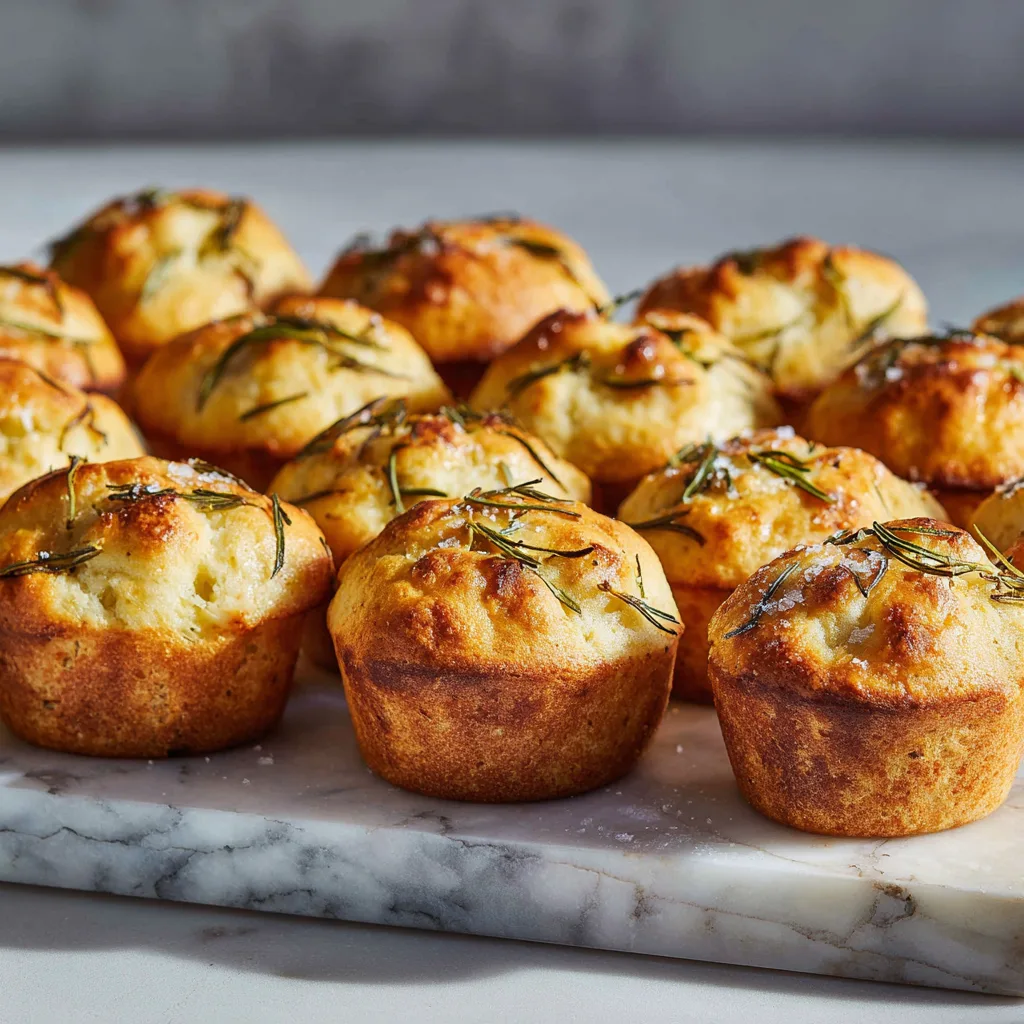
These delightful focaccia muffins combine the best of both worlds: the rustic, herb-infused character of traditional focaccia with the convenience and charm of muffin-sized portions. Whether you’re hosting a dinner party, preparing a special breakfast, or simply craving something extraordinary for your meal prep, these savory muffins deliver restaurant-quality results with surprisingly minimal effort. The beauty of this recipe lies in its simplicity – using basic pantry ingredients transformed into something truly spectacular through the perfect balance of herbs, garlic, and quality olive oil.
What makes these focaccia muffins particularly special is their versatility. They’re equally at home alongside a hearty Italian soup, served as an appetizer with marinara dipping sauce, or enjoyed as a standalone snack. The individual portions make them perfect for entertaining, as each guest receives their own perfectly formed, golden-brown muffin topped with aromatic rosemary and glistening with olive oil. Unlike traditional focaccia that requires a large baking pan and strategic slicing, these muffins emerge from the oven ready to serve, making them ideal for both casual family dinners and elegant gatherings.
The History and Heritage of Focaccia Bread
Before we dive into the muffin variation, it’s worth appreciating the rich history behind focaccia itself. This ancient Italian bread dates back thousands of years, with roots tracing to the Etruscans or ancient Greeks. The word “focaccia” derives from the Latin “panis focacius,” meaning “hearth bread,” as it was traditionally baked on the floor of a fireplace. Throughout centuries, focaccia evolved across different Italian regions, with each area developing its own unique variations – from the thin, crispy focaccia col formaggio of Liguria to the thicker, spongy focaccia Barese from Puglia.
Traditional focaccia is characterized by its dimpled surface, generous olive oil coating, and aromatic toppings. The dimples aren’t just decorative; they create pockets that hold olive oil and seasonings, ensuring every bite is infused with flavor. This bread has always been about simplicity and quality ingredients – flour, water, yeast, salt, and exceptional olive oil form the foundation, while toppings like rosemary, garlic, olives, or tomatoes add regional flair.
By transforming this beloved bread into muffin form, we’re honoring tradition while embracing modern convenience. The essence remains unchanged – that perfect combination of crispy exterior and tender, airy interior – but the individual portions make this recipe more accessible for everyday cooking. You’ll still create those signature dimples, still drizzle generously with olive oil, and still top each muffin with fragrant herbs, maintaining the soul of authentic focaccia while adapting the format to contemporary lifestyles.
Why These Garlic Rosemary Focaccia Muffins Will Become Your New Favorite
What sets these focaccia muffins apart from ordinary bread recipes is the incredible depth of flavor achieved through simple ingredients. Fresh rosemary brings pine-like, slightly peppery notes that perfectly complement the sweet, nutty flavor of roasted garlic. When these aromatics meet quality olive oil and are baked to golden perfection, the result is nothing short of extraordinary.
The texture of these muffins is equally impressive. The exterior develops a delightfully crispy, almost crackling crust thanks to the olive oil coating, while the interior remains wonderfully soft and airy with an open crumb structure characteristic of well-made focaccia. Unlike dense dinner rolls or heavy bread muffins, these maintain that signature focaccia lightness that makes them so addictive. You can easily pull them apart with your hands, revealing the tender interior with its irregular holes and soft texture.
Another advantage of the muffin format is the increased surface area for those coveted crispy edges. Traditional focaccia offers crispy corners and edges around the perimeter, but muffin-shaped focaccia means every single piece gets that golden, olive oil-crisped exterior all the way around. It’s essentially all-edge focaccia, which any bread lover knows is the best part.
These muffins also excel in their make-ahead friendliness. While they’re absolutely divine fresh from the oven, they reheat beautifully, making them perfect for meal prep. You can bake a batch on Sunday and enjoy them throughout the week, simply warming them briefly in the oven to restore that fresh-baked texture. They also freeze exceptionally well, so you can always have homemade focaccia muffins ready whenever the craving strikes.
Understanding the Key Ingredients
The secret to exceptional focaccia muffins lies in understanding your ingredients and how they work together. Let’s break down the essentials and why each plays a crucial role in creating these delicious muffins.
Flour forms the backbone of your muffins, providing structure and texture. All-purpose flour works perfectly for this recipe, offering enough protein to develop gluten for structure while remaining tender. Some bakers prefer bread flour for a chewier texture, but all-purpose strikes the ideal balance for these muffins.
Yeast is the magical ingredient that brings your dough to life. Active dry yeast or instant yeast both work beautifully here. The yeast feeds on the sugar in the dough, producing carbon dioxide bubbles that create that characteristic airy, open crumb structure. Proper yeast activation is crucial – the water must be warm but not hot, ideally between 105-110°F, to ensure the yeast activates without killing it.
Olive oil is absolutely essential and should be the best quality you can afford. This isn’t the place for bargain oil – use a good extra virgin olive oil with fruity, slightly peppery notes. The oil serves multiple purposes: it enriches the dough, creating a tender crumb; it coats the exterior for that signature crispy crust; and it carries the flavors of garlic and rosemary throughout the muffin.

Fresh rosemary makes an enormous difference compared to dried. The fresh herb brings bright, aromatic pine notes and a slightly resinous quality that complements the bread beautifully. When you press fresh rosemary into the dough before baking, the heat releases its essential oils, infusing the entire muffin with that unmistakable fragrance.
Garlic adds savory depth and complexity. Fresh minced garlic is preferable, offering more vibrant flavor than pre-minced or powdered alternatives. The garlic mellows as it bakes, losing its sharp bite and developing sweet, nutty undertones that perfectly complement the rosemary.
Coarse sea salt is the finishing touch that brings everything together. Sprinkled generously over the olive oil-coated tops before baking, it provides delightful bursts of salinity that contrast beautifully with the mild, slightly sweet bread. The coarse texture also adds pleasant crunch.
Ingredients
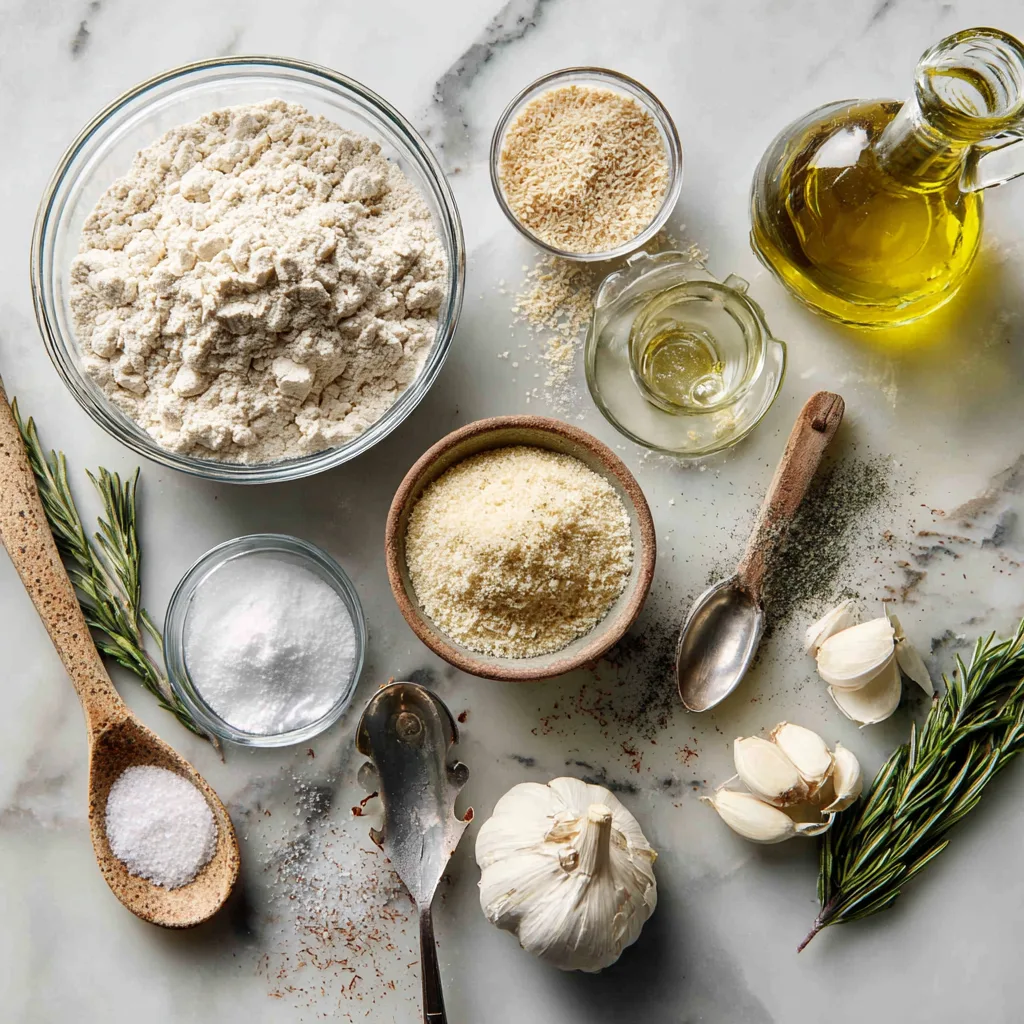
- 3 cups all-purpose flour
- 2 teaspoons active dry yeast
- 1 teaspoon granulated sugar
- 1 cup warm water (105-110°F)
- 1 teaspoon salt
- 1/4 cup extra virgin olive oil (plus more for topping)
- 4 cloves garlic (minced)
- 3 tablespoons fresh rosemary leaves (finely chopped)
- Coarse sea salt for topping
- Additional fresh rosemary sprigs for garnish
Instructions
- In a large mixing bowl, combine warm water, sugar, and active dry yeast. Stir gently and let stand for 5-10 minutes until the mixture becomes foamy and bubbly, indicating the yeast is active and ready to use.
- Add the flour, salt, and 1/4 cup olive oil to the yeast mixture. Using a wooden spoon or your hands, mix until a shaggy dough forms and all flour is incorporated into the mixture.
- Turn the dough out onto a lightly floured surface and knead for 5-7 minutes until the dough becomes smooth, elastic, and slightly tacky but not sticky. The dough should spring back when gently pressed with your finger.
- Place the kneaded dough in a large bowl lightly coated with olive oil, turning the dough to coat all sides. Cover the bowl with a clean kitchen towel or plastic wrap and let rise in a warm, draft-free location for 60-90 minutes until doubled in size.
- While the dough rises, prepare your muffin tin by generously greasing 12 standard muffin cups with olive oil. This ensures easy removal and creates crispy edges on your muffins.
- In a small bowl, combine the minced garlic with 2 tablespoons of olive oil and the chopped fresh rosemary. Set this fragrant mixture aside to allow the flavors to meld together.
- Once the dough has doubled, punch it down gently to release excess air. Divide the dough into 12 equal portions, roughly 2-3 ounces each for consistent sizing.
- Shape each portion into a smooth ball by pulling the edges underneath and pinching to seal. Place each ball seam-side down into the prepared muffin cups.
- Using your fingertips, gently press down on each dough ball to flatten slightly and create shallow dimples across the surface, just like traditional focaccia. These dimples will hold the olive oil and toppings.
- Brush each muffin generously with the garlic-rosemary olive oil mixture, making sure to distribute the minced garlic and rosemary pieces evenly across all muffins.
- Sprinkle each muffin with coarse sea salt and press a small sprig of fresh rosemary into the top of each one for beautiful presentation and extra flavor.
- Cover the muffin tin loosely with a kitchen towel and let the muffins rise for another 20-30 minutes until puffy and nearly doubled in size.
- Meanwhile, preheat your oven to 400°F (200°C), positioning the rack in the center of the oven for even baking.
- Once the muffins have completed their second rise, bake them in the preheated oven for 18-22 minutes until the tops are golden brown and the muffins sound hollow when tapped on the bottom.
- Remove the muffin tin from the oven and immediately brush the hot muffins with additional olive oil for extra shine and flavor. Let them cool in the tin for 5 minutes before transferring to a wire rack.
- Serve the focaccia muffins warm or at room temperature, either on their own or with your favorite dipping sauces, soups, or Italian dishes.
Garlic Rosemary Focaccia Muffins
Ingredients
Equipment
Method
- In a large mixing bowl, combine warm water, sugar, and active dry yeast. Stir gently and let stand for 5-10 minutes until foamy and bubbly.
- Add flour, salt, and 1/4 cup olive oil to the yeast mixture. Mix until a shaggy dough forms.
- Turn dough onto a lightly floured surface and knead for 5-7 minutes until smooth and elastic.
- Place dough in an oiled bowl, cover, and let rise in a warm place for 60-90 minutes until doubled.
- Generously grease 12 standard muffin cups with olive oil.
- In a small bowl, combine minced garlic with 2 tablespoons olive oil and chopped rosemary.
- Punch down risen dough and divide into 12 equal portions.
- Shape each portion into a smooth ball and place seam-side down in prepared muffin cups.
- Using fingertips, gently press dough to create dimples across the surface.
- Brush each muffin generously with garlic-rosemary oil mixture.
- Sprinkle with coarse sea salt and press a small rosemary sprig into each top.
- Cover loosely and let rise for 20-30 minutes until puffy.
- Preheat oven to 400°F (200°C).
- Bake for 18-22 minutes until golden brown and hollow-sounding when tapped.
- Brush hot muffins with additional olive oil, cool 5 minutes in tin, then transfer to wire rack.
- Serve warm or at room temperature with soups, salads, or Italian dishes.
Notes
Perfect Pairings and Serving Suggestions
These garlic rosemary focaccia muffins are incredibly versatile and pair beautifully with countless dishes. Their savory, herb-forward flavor profile makes them natural companions to Italian cuisine, but they complement many other culinary traditions as well.
For a classic Italian meal, serve these muffins alongside a hearty minestrone soup, rich pasta with marinara sauce, or creamy risotto. The bread is perfect for soaking up delicious sauces and broths, ensuring not a drop goes to waste. They also make excellent accompaniments to Italian salads like Caprese or panzanella, adding substance and texture to lighter dishes.
These muffins shine as appetizers when served with various dipping options. Try them with warm marinara sauce, pesto, balsamic vinegar and olive oil, or even a creamy white bean dip. For entertaining, arrange them on a rustic wooden board with olives, cured meats, and cheeses for an impressive antipasto spread.
They’re also wonderful for breakfast or brunch, especially when served warm with softened butter or alongside scrambled eggs and fresh fruit. The savory herbs make them a refreshing alternative to sweet breakfast breads, and they’re substantial enough to keep you satisfied throughout the morning.
For lunch, these muffins can transform simple meals into something special. Use them to make incredible sandwiches filled with fresh mozzarella, tomatoes, and basil, or slice them horizontally and use them as burger buns for Italian-style chicken or turkey burgers. They’re also perfect alongside soups and salads, turning a light lunch into a more complete meal.
Expert Tips for Focaccia Muffin Success
Creating perfect focaccia muffins is straightforward, but these professional tips will help ensure exceptional results every time. First, pay careful attention to water temperature when activating your yeast. Too hot, and you’ll kill the yeast; too cool, and it won’t activate properly. Aim for 105-110°F – it should feel warm but not hot when you test it on your wrist.
Don’t skimp on the rising time. Patience is crucial for developing flavor and achieving that light, airy texture. The dough should truly double in size during the first rise, which might take longer in cooler kitchens. If your kitchen is chilly, create a warm environment by turning on your oven briefly then turning it off and placing the covered bowl inside.
When creating the signature dimples, be gentle but thorough. You want to press down enough to create visible indentations that will hold olive oil and toppings, but not so aggressively that you deflate the dough completely. Those dimples are what make focaccia focaccia, so don’t skip this step.
Use genuinely good olive oil, especially for the topping. Since olive oil is such a prominent flavor in focaccia, quality matters tremendously. A fruity, peppery extra virgin olive oil will elevate your muffins from good to exceptional. Save the cheap, flavorless oil for other cooking purposes.
For the crispiest exterior, make sure your muffin cups are generously greased with olive oil before adding the dough. This not only prevents sticking but also creates that coveted golden, crispy crust around the entire muffin. Don’t be shy with the oil – focaccia is meant to be generously oiled.
Customizing Your Focaccia Muffins
While garlic and rosemary create a classic, irresistible combination, focaccia muffins are incredibly adaptable to different flavors and toppings. Once you master the basic recipe, experiment with various herbs and additions to create your own signature versions.
For a Mediterranean twist, try topping your muffins with sliced Kalamata olives, cherry tomatoes, and crumbled feta cheese before baking. The olives add briny depth, the tomatoes provide sweet acidity, and the feta contributes tangy creaminess – all supported by the pillowy focaccia base.
Create a caramelized onion version by topping your muffins with slowly cooked caramelized onions and fresh thyme. The sweet, jammy onions pair beautifully with the savory bread and make these muffins particularly special alongside roasted meats or hearty stews.
For a more adventurous flavor profile, try a sun-dried tomato and basil variation. Knead chopped sun-dried tomatoes directly into the dough and top with fresh basil leaves before baking. The concentrated tomato flavor infuses the entire muffin while the basil adds bright, aromatic notes.
Cheese lovers can create incredible variations by sprinkling grated Parmesan, pecorino, or aged cheddar over the muffins before baking. The cheese melts and browns, creating delicious crispy bits and adding rich, savory depth to every bite.
For a simpler variation, experiment with different herb combinations. Try fresh thyme and lemon zest for a bright, aromatic version, or sage and black pepper for earthier flavors. Oregano and garlic create a more pizza-like profile, while fennel seeds add an interesting anise note that works surprisingly well with the bread.
Storage and Reheating Guidelines
Proper storage ensures your focaccia muffins maintain their wonderful texture and flavor for several days. Once completely cooled, store the muffins in an airtight container or resealable plastic bag at room temperature for up to 3 days. They’ll gradually lose some of their crispy exterior, but the flavor remains excellent.
For longer storage, these muffins freeze beautifully. Place cooled muffins in a single layer on a baking sheet and freeze until solid, then transfer to a freezer bag or airtight container. Properly frozen focaccia muffins will maintain their quality for up to 3 months. This makes them perfect for batch baking – make a double batch and freeze half for easy future meals.
When you’re ready to enjoy frozen muffins, there’s no need to thaw them first. Simply place frozen muffins directly in a preheated 350°F oven for 10-12 minutes until heated through and the exterior crisps up again. This method restores much of that fresh-baked texture and makes them taste nearly as good as the day you made them.
For muffins stored at room temperature, refresh them by warming in a 350°F oven for 5-7 minutes. This simple step revives the crispy crust and warms the interior, making day-old muffins taste fresh-baked once more. You can also brush them with a little additional olive oil before warming for extra richness.
Avoid microwaving focaccia muffins if possible, as this tends to make them tough and chewy rather than crispy. If you must use a microwave, wrap the muffin in a slightly damp paper towel and heat in 15-second intervals, being careful not to overheat.
Final Thoughts on This Italian-Inspired Delight
Garlic rosemary focaccia muffins represent the perfect marriage of tradition and convenience. They honor the rich heritage of Italian focaccia bread while adapting it for modern home cooking. The individual portions make them practical for everyday meals yet special enough for entertaining, while the simple ingredient list ensures they’re accessible to bakers of all skill levels.
What truly makes these muffins special is how they transform basic pantry staples into something extraordinary. With just flour, yeast, olive oil, and aromatics, you create bakery-quality bread that rivals anything you’d purchase from an artisan bakery. The process itself is therapeutic – the kneading, the rising, the dimpling, and finally the heavenly aroma that fills your kitchen as they bake.
These muffins also offer an excellent introduction to bread baking for those who might be intimidated by more complex recipes. The forgiving dough is easy to work with, the muffin format eliminates shaping anxiety, and the results are consistently impressive. Success with this recipe often inspires bakers to explore other bread-making adventures with newfound confidence.
Whether you serve them at a dinner party, pack them for a picnic, enjoy them with your morning coffee, or freeze them for quick weeknight additions to simple meals, these garlic rosemary focaccia muffins will quickly become a beloved staple in your recipe collection. They’re proof that some of life’s greatest pleasures come from simple, well-executed recipes made with quality ingredients and a generous dose of care.