Easy Vanilla Pound Cake Recipe: The Ultimate Guide to Perfect Homemade Pound Cake
There’s something magical about the aroma of vanilla pound cake baking in the oven that instantly transforms any kitchen into a warm, welcoming haven. This classic dessert has been a cornerstone of American baking for generations, earning its place as one of the most beloved and versatile treats in home kitchens across the country. Whether you’re a seasoned baker or just starting your culinary journey, mastering the art of vanilla pound cake opens doors to countless delicious possibilities.
The beauty of a well-made vanilla pound cake lies in its simplicity and elegance. Unlike complicated desserts that require specialized techniques or exotic ingredients, this timeless recipe relies on pantry staples that most home bakers already have on hand. The dense, buttery texture combined with the rich vanilla flavor creates a cake that’s satisfying on its own yet versatile enough to serve as the foundation for elaborate desserts or simple afternoon treats.
What makes this particular vanilla pound cake recipe stand out from the countless variations available online is its foolproof approach and consistent results. After testing numerous methods and ratios, this recipe delivers the perfect balance of moistness, density, and flavor that defines an exceptional pound cake. The key lies in understanding the science behind pound cake baking and following proven techniques that ensure success every single time.
The Rich History Behind Traditional Pound Cake
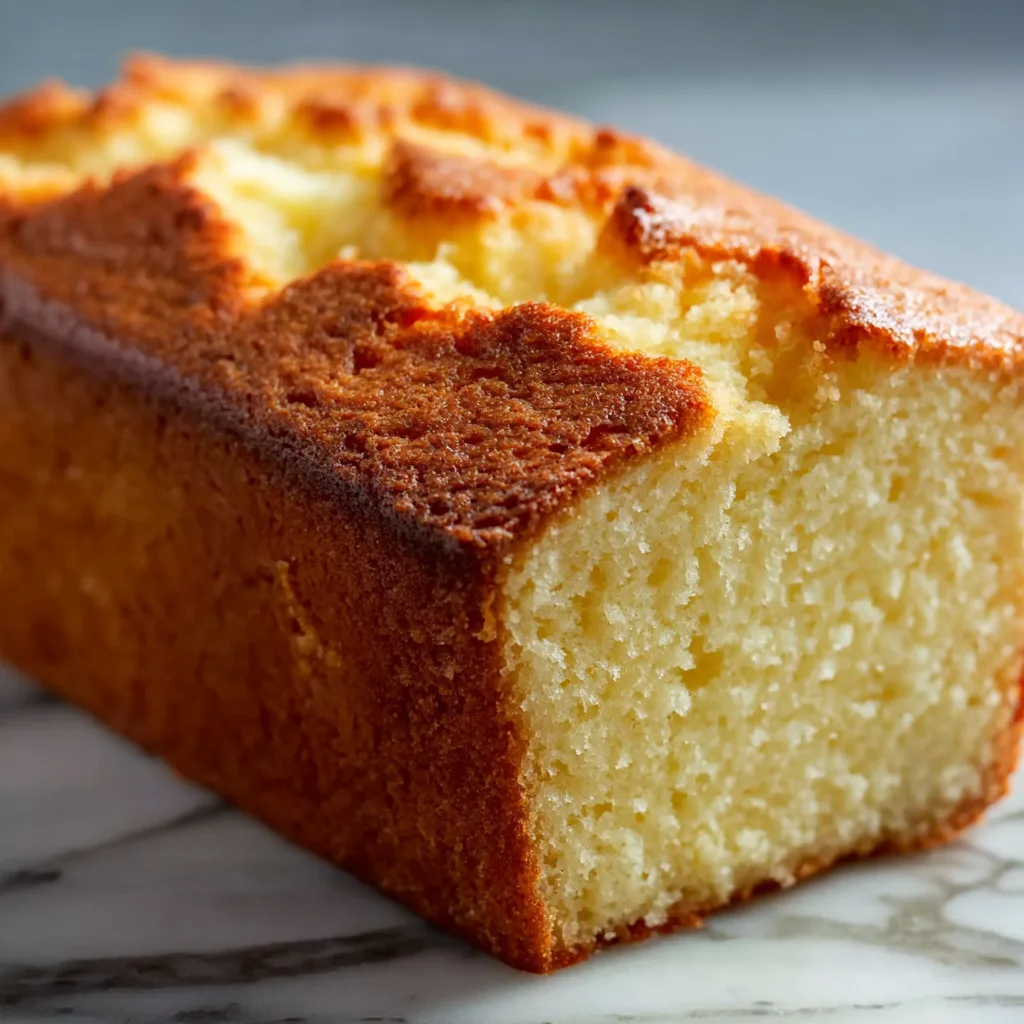
Pound cake earned its distinctive name from the original recipe that called for one pound each of butter, sugar, eggs, and flour. This 18th-century formula created an incredibly rich and dense cake that could feed large families and lasted for days without refrigeration. While modern recipes have evolved to include leavening agents and adjusted proportions for better texture, the essence of pound cake remains unchanged.
The traditional pound cake served multiple purposes in colonial American households. Its long shelf life made it an ideal treat for special occasions, while its substantial nature meant a small slice could satisfy hunger between meals. Families often prepared pound cakes for holidays, weddings, and community gatherings, establishing it as a symbol of hospitality and celebration.
Today’s vanilla pound cake maintains that same spirit of generosity and comfort while adapting to modern tastes and baking techniques. The addition of vanilla extract, which wasn’t readily available to colonial bakers, elevates the flavor profile and creates the aromatic experience we associate with homemade pound cake. This evolution demonstrates how classic recipes can adapt and improve while preserving their fundamental character.
Essential Ingredients for the Perfect Vanilla Pound Cake
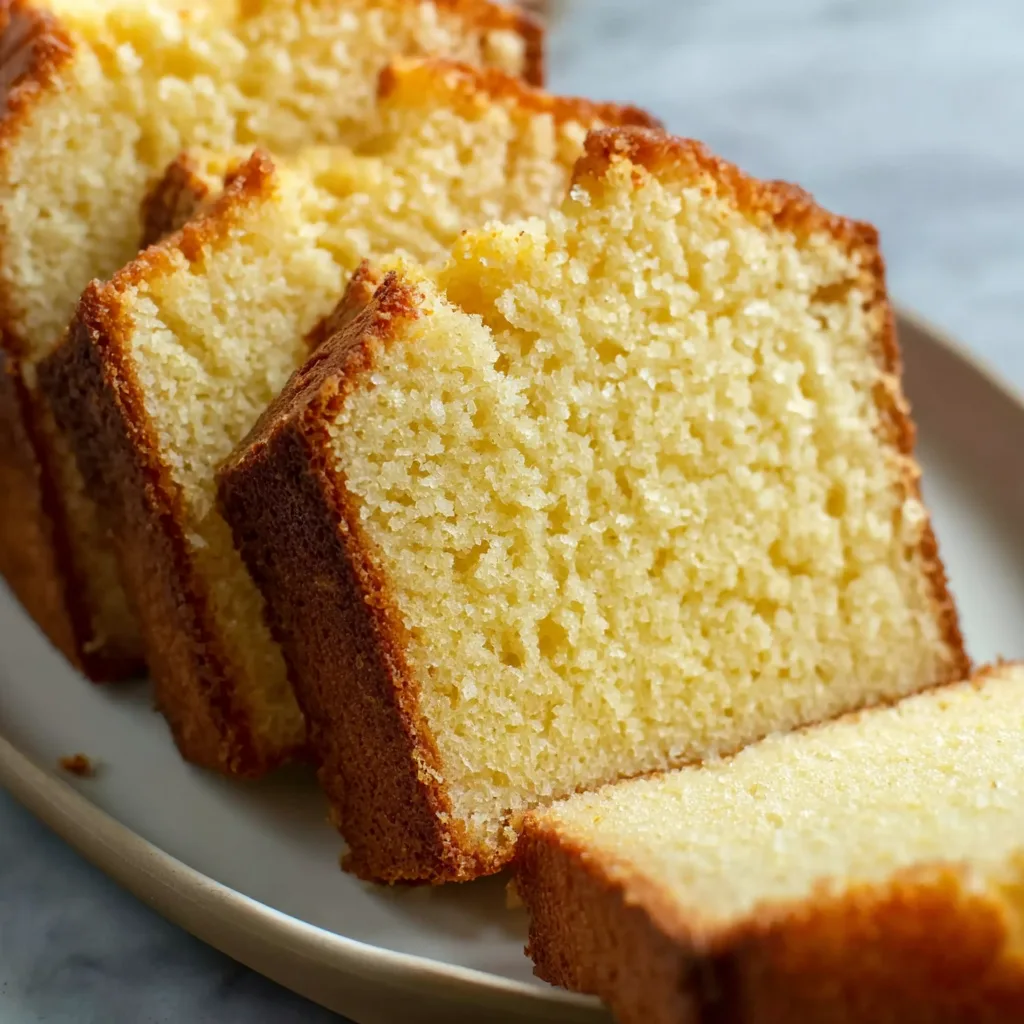
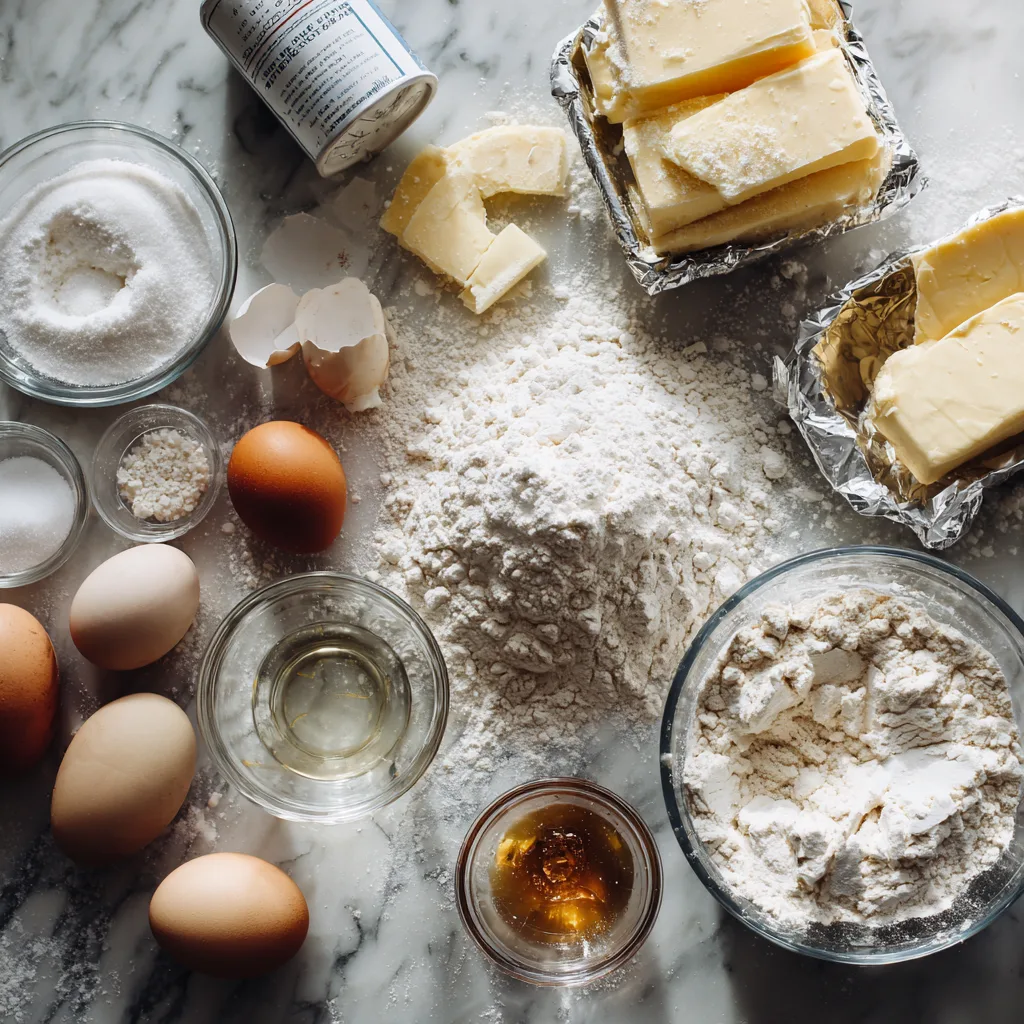
Creating an outstanding vanilla pound cake starts with selecting quality ingredients that work harmoniously together. Each component plays a crucial role in developing the cake’s signature texture, flavor, and appearance. Understanding these ingredients and their functions helps home bakers make informed decisions and troubleshoot potential issues.
- All-purpose flour forms the structural foundation, providing the protein network that gives pound cake its characteristic density
- Unsalted butter contributes richness, moisture, and the distinctive flavor that makes pound cake irresistible
- Granulated sugar not only sweetens but also contributes to the cake’s tender crumb through proper creaming technique
- Large eggs act as binding agents while adding moisture and richness to the final product
- Pure vanilla extract delivers the signature flavor that transforms simple ingredients into an extraordinary dessert
- Baking powder provides gentle lift without compromising the dense texture that defines authentic pound cake
- Salt enhances all flavors and balances the sweetness for a more complex taste profile
- Heavy cream or sour cream adds extra moisture and creates the melt-in-your-mouth texture
- Whole milk helps achieve the proper batter consistency and contributes to the cake’s tenderness
The quality of vanilla extract deserves special attention since it’s the star flavoring in this recipe. Pure vanilla extract, made from real vanilla beans, provides depth and complexity that artificial vanilla simply cannot match. The investment in high-quality vanilla extract pays dividends in the final product’s aroma and taste.
Step-by-Step Instructions for Vanilla Pound Cake Success
- Preheat your oven to 325°F and thoroughly grease a 10-inch bundt pan or two 9×5-inch loaf pans with butter and flour
- Cream softened butter with granulated sugar using an electric mixer for 5-7 minutes until light and fluffy
- Add eggs one at a time, beating well after each addition to ensure proper incorporation
- Mix in vanilla extract and any additional flavorings until evenly distributed throughout the batter
- Combine dry ingredients in a separate bowl, whisking together flour, baking powder, and salt
- Alternate adding dry ingredients and liquid ingredients to the butter mixture, beginning and ending with flour mixture
- Mix each addition just until combined to avoid overworking the batter and developing tough gluten
- Pour batter into prepared pan, spreading evenly and tapping gently to release air bubbles
- Bake for 60-75 minutes until a toothpick inserted in center comes out clean or with just a few moist crumbs
- Cool in pan for 10 minutes before turning out onto a wire rack to cool completely
Easy Vanilla Pound Cake
Ingredients
Equipment
Method
- Preheat oven to 325°F (163°C). Grease and flour a 10-inch bundt pan or two 9×5-inch loaf pans.
- In a medium bowl, whisk together flour, baking powder, and salt. Set aside.
- In a large bowl, cream butter and sugar with electric mixer for 5-7 minutes until light and fluffy.
- Add eggs one at a time, beating well after each addition. Mix in vanilla extract.
- Alternately add dry ingredients and milk to butter mixture, beginning and ending with flour mixture.
- Mix each addition just until combined to avoid overworking the batter.
- Pour batter into prepared pan and spread evenly. Tap gently to release air bubbles.
- Bake for 60-75 minutes until toothpick inserted in center comes out clean or with few moist crumbs.
- Cool in pan for 10 minutes, then turn out onto wire rack to cool completely before serving.
Notes
Professional Baking Tips and Techniques
Achieving bakery-quality results at home requires attention to detail and understanding of proper technique. Temperature control plays a crucial role in pound cake success, starting with ingredients at the correct temperature. Butter should be soft enough to leave an indentation when pressed but not so soft that it appears greasy or melted.
The creaming process deserves special attention as it directly impacts the cake’s final texture. Properly creamed butter and sugar should appear light in color and noticeably increased in volume. This process incorporates air into the batter, creating the tender crumb that distinguishes excellent pound cake from dense, heavy versions.
Measuring ingredients accurately ensures consistent results every time you bake. Professional bakers weigh ingredients for precision, but home bakers can achieve excellent results using proper measuring techniques. Spoon flour into measuring cups and level with a straight edge rather than scooping directly from the container, which can pack too much flour into the cup.
Oven temperature accuracy affects both baking time and final texture. Many home ovens run hot or cold, so investing in an oven thermometer helps ensure the temperature matches your recipe requirements. Pound cakes bake at relatively low temperatures to allow even heating throughout the dense batter without over-browning the exterior.
Creative Variations and Flavor Combinations
While vanilla pound cake stands beautifully on its own, it also serves as an excellent canvas for creative variations. Lemon pound cake adds bright citrus notes by incorporating fresh lemon zest and juice. Almond extract can replace or complement vanilla for a different flavor profile that pairs wonderfully with fresh berries.
Chocolate chips, dried fruits, or chopped nuts can be folded into the batter for added texture and flavor complexity. When adding mix-ins, toss them in a light coating of flour before folding into the batter to prevent sinking during baking. This technique ensures even distribution throughout the finished cake.
Glazes and frostings transform simple pound cake into elegant desserts suitable for special occasions. A basic powdered sugar glaze made with milk or cream and vanilla creates a beautiful presentation while adding extra sweetness. For more decadent options, consider cream cheese frosting, chocolate ganache, or fresh fruit compotes.
Seasonal variations keep this classic recipe interesting throughout the year. Pumpkin spice pound cake celebrates autumn flavors, while cranberry orange combinations brighten winter menus. Summer versions might feature fresh berry swirls or peach additions that highlight seasonal produce.
Storage, Serving, and Presentation Ideas
Proper storage maintains pound cake’s quality and extends its enjoyment. Completely cooled cake should be wrapped tightly in plastic wrap or stored in airtight containers to prevent drying out. At room temperature, pound cake stays fresh for up to one week, making it an excellent make-ahead dessert option.
For longer storage, pound cake freezes beautifully for up to three months. Wrap individual slices or whole cakes in plastic wrap followed by aluminum foil for maximum freshness protection. Thaw frozen cake at room temperature while still wrapped to prevent condensation from affecting the texture.
Serving suggestions range from simple to elaborate depending on the occasion. Thick slices served with fresh berries and whipped cream create an elegant dessert, while thin slices make perfect accompaniments to afternoon tea or coffee. Toasted pound cake slices develop a delightful crispy exterior while maintaining their moist interior.
Presentation elevates pound cake from everyday treat to special occasion dessert. Dust with powdered sugar for simple elegance, or arrange slices on decorative plates with seasonal fruit garnishes. For entertaining, consider creating a pound cake bar with various toppings and accompaniments that allow guests to customize their servings.
Perfect Pairings: A Sweet Conclusion
The versatility of vanilla pound cake extends far beyond standalone de