Fluffy Japanese Cotton Cheesecake Cupcakes
If you’ve ever tasted the cloud-like texture of authentic Japanese cotton cheesecake, you know there’s nothing quite like it. These Fluffy Japanese Cotton Cheesecake Cupcakes bring that same ethereal, jiggly texture to convenient individual portions that are perfect for sharing, gifting, or enjoying as a special treat. With their delicate crumb, subtle sweetness, and impossibly light texture, these cupcakes are a showstopper dessert that looks impressive but is surprisingly achievable in your home kitchen.
Japanese cotton cheesecake, also known as soufflé cheesecake, has taken the baking world by storm with its unique texture that’s somewhere between a traditional cheesecake and a sponge cake. Unlike dense New York-style cheesecake, this Japanese version is incredibly airy and light, with a slight wobble that’s become its signature characteristic. By transforming this beloved dessert into cupcake form, you get all the deliciousness of cotton cheesecake with built-in portion control and adorable presentation.
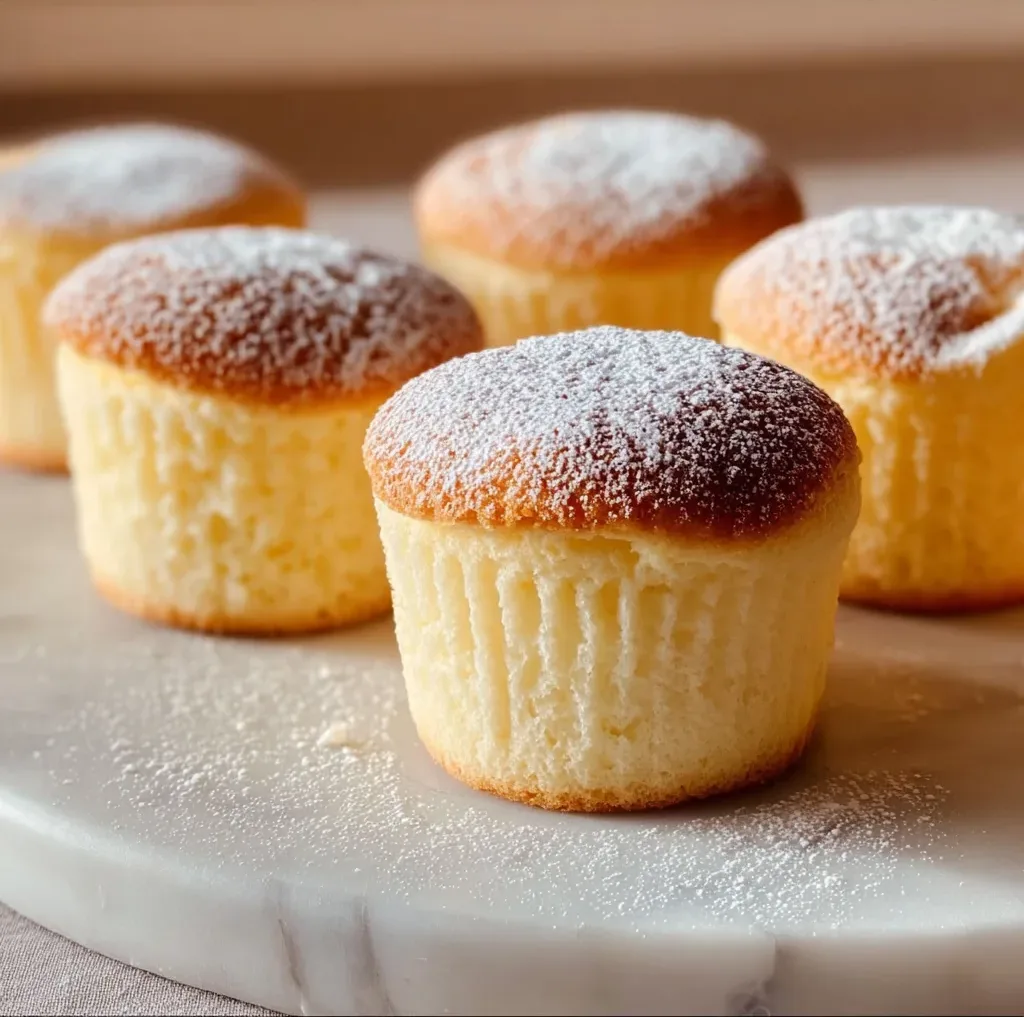
What makes these cupcakes truly special is their delicate balance of flavors and textures. The cream cheese provides a subtle tanginess that’s perfectly balanced with just the right amount of sweetness. The texture is incredibly soft and fluffy, almost melting in your mouth with each bite. When dusted with powdered sugar, these golden-domed treats become an elegant dessert suitable for any occasion, from casual afternoon tea to sophisticated dinner parties.
The Science Behind the Fluffiness
The secret to achieving that signature fluffy texture lies in the technique of folding whipped egg whites into the batter. This method, similar to making a soufflé, incorporates tiny air bubbles throughout the mixture, creating that characteristic light and airy crumb. The egg whites are beaten to stiff peaks, which means they hold their shape when the beaters are lifted, creating a stable foam structure that supports the delicate cake as it bakes.
The baking process is equally important to achieving the perfect texture. These cupcakes are typically baked at a moderate temperature in a water bath, which provides gentle, even heat that prevents the delicate structure from collapsing or developing cracks. The steam from the water bath also helps keep the cupcakes moist and prevents them from drying out during baking. This technique requires a bit more attention than standard cupcake recipes, but the results are absolutely worth the extra effort.
Temperature control is crucial when working with this delicate batter. All ingredients should be at room temperature before you begin, as this ensures smooth mixing and proper incorporation of the egg whites. Cold cream cheese won’t blend smoothly, and cold eggs won’t whip to their full volume, so plan ahead and let everything sit on the counter for about 30 minutes before starting your baking adventure.
Why You’ll Love This Recipe
These Japanese cotton cheesecake cupcakes offer the perfect combination of elegance and simplicity. While they look and taste like something from a high-end bakery, they’re made with basic ingredients you likely already have in your kitchen. There’s no need for exotic components or specialized equipment beyond a mixer and standard cupcake pans. The ingredient list is refreshingly short, proving that sometimes the best recipes are the simplest ones.
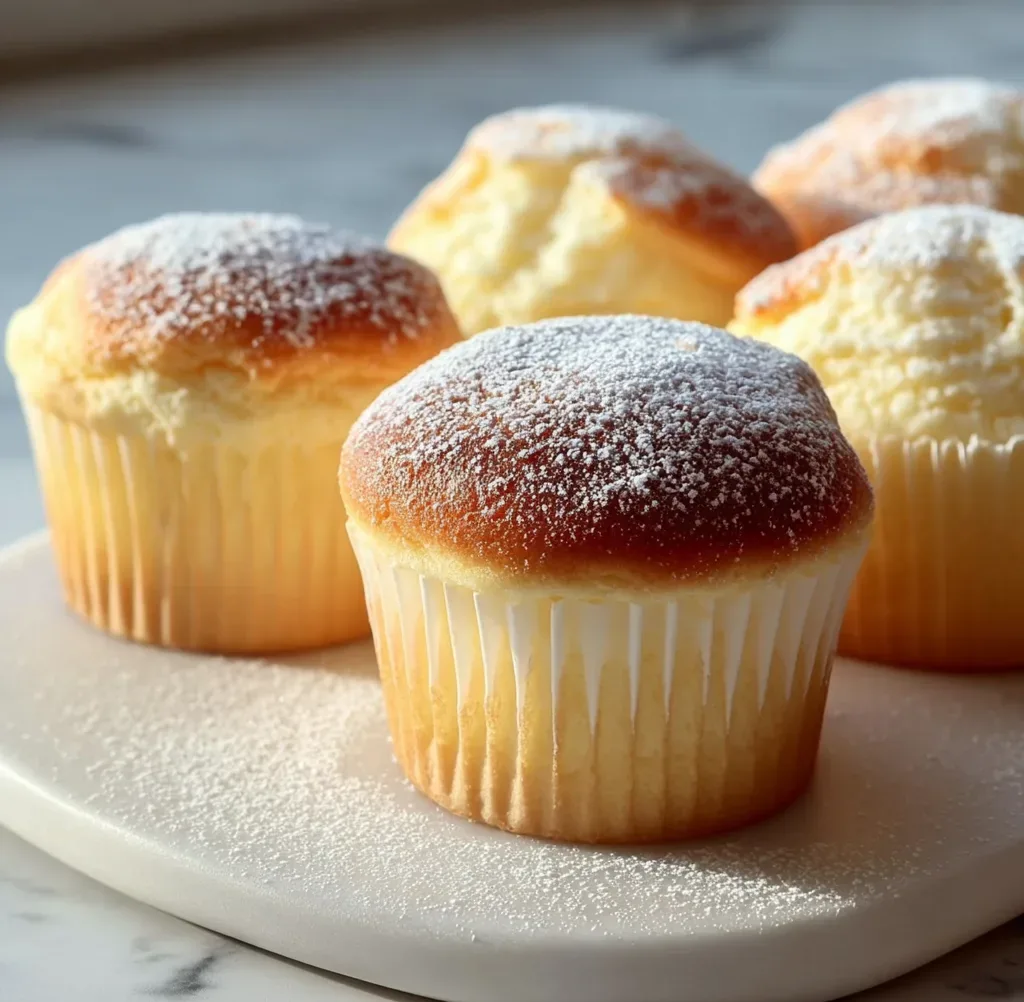
The texture alone makes these cupcakes worth trying. That signature wobble and incredibly soft, pillowy crumb create a eating experience unlike any other dessert. They’re light enough to enjoy after a heavy meal without feeling overly full, yet satisfying enough to serve as a standalone treat with coffee or tea. The subtle sweetness means they won’t overwhelm your palate, making them appealing even to those who typically don’t have a strong sweet tooth.
Portion control is another major advantage of the cupcake format. Instead of slicing a large cheesecake and wondering if the pieces are even, these individual portions eliminate guesswork and make serving a breeze. They’re perfect for parties, potlucks, or bake sales, and they transport easily without the risk of damaging a large cake. Plus, they look absolutely adorable lined up on a serving platter, each one a perfect golden dome dusted with snowy white powdered sugar.
Ingredients
- 4 oz cream cheese, softened
- 1/4 cup whole milk
- 1/4 cup unsalted butter, melted
- 6 large eggs, separated
- 1/2 cup granulated sugar, divided
- 1/2 cup cake flour
- 1/4 cup all-purpose flour
- 1/4 tsp cream of tartar
- 1 tsp vanilla extract
- Powdered sugar for dusting
Instructions
- Preheat your oven to 320°F (160°C) and line a cupcake pan with paper liners, then prepare a larger baking pan that can hold the cupcake pan for the water bath.
- In a large mixing bowl, beat the softened cream cheese until smooth and creamy with no lumps remaining, using an electric mixer on medium speed for about 2 minutes.
- Add the melted butter and whole milk to the cream cheese, mixing until fully incorporated and the mixture is smooth and glossy.
- Add the egg yolks one at a time to the cream cheese mixture, beating well after each addition until fully combined, then stir in the vanilla extract.
- Sift both the cake flour and all-purpose flour together, then gently fold into the cream cheese mixture using a spatula until just combined with no flour streaks visible.
- In a separate clean bowl, beat the egg whites with an electric mixer on medium speed until foamy, then add the cream of tartar and continue beating.
- Gradually add the granulated sugar to the egg whites while continuing to beat, increasing speed to high, until stiff peaks form and the mixture is glossy and holds its shape.
- Gently fold one-third of the egg white mixture into the cream cheese batter using a spatula, using a folding motion to maintain the airiness.
- Add the remaining egg whites in two more additions, folding gently after each addition until no white streaks remain but being careful not to deflate the batter.
- Divide the batter evenly among the prepared cupcake liners, filling each about three-quarters full to allow room for rising.
- Place the cupcake pan inside the larger baking pan and carefully pour hot water into the larger pan until it reaches about halfway up the sides of the cupcake pan.
- Bake for 25-30 minutes until the tops are golden brown and the cupcakes have risen and set, with just a slight jiggle remaining in the centers.
- Turn off the oven and leave the cupcakes inside with the door slightly ajar for 10 minutes to prevent sudden temperature changes that could cause collapse.
- Remove from the water bath and let cool completely on a wire rack before dusting generously with powdered sugar through a fine-mesh sieve.
Fluffy Japanese Cotton Cheesecake Cupcakes
Ingredients
Equipment
Method
- Preheat oven to 320°F (160°C). Line cupcake pan with paper liners and prepare larger baking pan for water bath.
- Beat softened cream cheese until smooth and creamy with no lumps, about 2 minutes.
- Mix in melted butter and whole milk until fully incorporated and smooth.
- Add egg yolks one at a time, beating well after each addition, then stir in vanilla extract.
- Sift cake flour and all-purpose flour together, then gently fold into cream cheese mixture until just combined.
- In separate clean bowl, beat egg whites until foamy, add cream of tartar, then gradually add sugar while beating to stiff peaks.
- Gently fold one-third of egg whites into batter, then add remaining whites in two additions, folding carefully to maintain airiness.
- Divide batter evenly among cupcake liners, filling each about three-quarters full.
- Place cupcake pan in larger baking pan and pour hot water into larger pan until halfway up sides of cupcake pan.
- Bake 25-30 minutes until tops are golden brown and cupcakes have slight jiggle in centers.
- Turn off oven and leave cupcakes inside with door slightly ajar for 10 minutes.
- Remove from water bath, cool completely on wire rack, then dust with powdered sugar before serving.
Notes
Perfect Baking Tips and Techniques
Achieving the perfect Japanese cotton cheesecake cupcake requires attention to detail and proper technique. The most critical step is properly whipping the egg whites to stiff peaks without over-beating them. Over-beaten egg whites become grainy and dry, losing their ability to create that light, airy texture. You’ll know they’re ready when you can lift the beaters and the peaks stand straight up without drooping. If they start to look clumpy or separated, you’ve gone too far.
The folding technique is equally important for maintaining the airiness of your batter. Use a large rubber spatula and employ a gentle folding motion, cutting down through the center of the mixture, scraping along the bottom, and bringing the spatula up the side while rotating the bowl. This motion incorporates the egg whites while preserving as much air as possible. It’s okay if you see a few small streaks of white remaining—over-mixing is worse than slight under-mixing in this case.
The water bath, while requiring an extra step, is non-negotiable for authentic results. This gentle, moist heat environment prevents the delicate cupcakes from cracking, drying out, or developing a tough exterior. Make sure your larger baking pan is deep enough to hold sufficient water without risk of overflow, and use hot tap water or water heated in a kettle for best results. Some bakers wrap the bottom of their cupcake pan in aluminum foil as extra insurance against water seepage, though this isn’t usually necessary if your pan is in good condition.
Customization and Flavor Variations
While traditional Japanese cotton cheesecake is delicately flavored with just vanilla, these cupcakes provide an excellent base for creative variations. Consider adding a tablespoon of matcha powder to the batter for a beautiful green tea flavor that’s very popular in Japanese bakeries. The earthy, slightly bitter notes of matcha complement the sweet, tangy cream cheese perfectly and create a stunning pale green color that’s sure to impress.
For chocolate lovers, try folding in two tablespoons of cocoa powder along with the flour for a chocolate version that maintains the signature fluffy texture. You can also experiment with citrus flavors by adding lemon or orange zest to the batter—about one tablespoon of finely grated zest adds a bright, fresh note without overwhelming the delicate cheesecake flavor. The citrus oils in the zest provide aromatic complexity that makes these cupcakes feel even more special.
Topping variations can also transform the presentation and flavor profile. Instead of powdered sugar, try a light drizzle of honey or maple syrup for added sweetness and visual appeal. Fresh berries make an excellent accompaniment, with their bright tartness providing a perfect contrast to the rich, creamy cupcakes. A dollop of lightly sweetened whipped cream and a few fresh strawberry slices turn these cupcakes into an elegant plated dessert suitable for special occasions.
Storage and Serving Suggestions
Japanese cotton cheesecake cupcakes are best enjoyed fresh, preferably within 24 hours of baking when their texture is at its peak. Store them in an airtight container in the refrigerator, as the cream cheese base requires cold storage for food safety. When you’re ready to serve, let them sit at room temperature for about 15-20 minutes to take the chill off—they taste best when slightly cool rather than cold straight from the fridge.
These cupcakes can be frozen for longer storage, though the texture may become slightly less fluffy after thawing. To freeze, place the completely cooled cupcakes in a single layer in an airtight container with parchment paper between layers to prevent sticking. They’ll keep frozen for up to one month. Thaw overnight in the refrigerator, then bring to room temperature before serving. Dust with fresh powdered sugar just before serving for the best appearance.
For entertaining, these cupcakes shine when served as part of a dessert spread or afternoon tea service. Arrange them on a tiered cake stand with fresh flowers for an elegant presentation, or line them up on a simple white platter for a more casual look. They pair beautifully with hot tea, especially green tea or Earl Grey, and also complement coffee drinks like cappuccinos or lattes. The delicate flavor and light texture make them an excellent choice for ending a meal without overwhelming guests.
Common Troubleshooting and Solutions
If your cupcakes collapse after baking, the most likely culprit is over-mixing the batter after adding the egg whites, which deflates the air bubbles necessary for structure. Another common cause is opening the oven door during baking or removing the cupcakes too quickly from the oven, which creates a sudden temperature drop that causes collapse. Remember to leave them in the turned-off oven with the door cracked for that crucial 10-minute transition period.
Cracks on the surface usually indicate the oven temperature was too high or the cupcakes baked too long. Japanese cotton cheesecake should have a smooth, golden-brown top without deep cracks. If you notice cracking, reduce your oven temperature by 10-15 degrees next time and check for doneness a few minutes earlier. The cupcakes are done when they’ve risen, turned golden, and still have a very slight jiggle in the center when gently shaken.
Dense, heavy texture instead of light and fluffy typically means the egg whites weren’t beaten to proper stiff peaks or were deflated during mixing. Make sure your mixing bowl and beaters are completely clean and free of any grease, as even a small amount of fat can prevent egg whites from whipping properly. Using fresh eggs at room temperature also helps achieve better volume in the whipped whites.
The Cultural Significance of Japanese Cheesecake
Japanese cotton cheesecake represents the Japanese approach to adapting Western desserts into something uniquely their own. While traditional cheesecake is rich and dense, Japanese bakers created a lighter, more delicate version that aligns with Japanese preferences for subtly sweet desserts with refined textures. This innovation shows how cultural exchange in food leads to wonderful new creations that honor both traditions while creating something entirely new.
The popularity of these cupcakes extends far beyond Japan, with bakeries around the world now offering their own versions of this beloved treat. The global appeal speaks to universal appreciation for well-executed desserts that balance technique with flavor. Making these cupcakes at home connects you to this culinary tradition and allows you to experience the satisfaction of creating something that requires skill and patience.
Bringing It All Together
These Fluffy Japanese Cotton Cheesecake Cupcakes represent the perfect marriage of technique and simplicity. While the method requires attention to detail and careful execution, the ingredient list is straightforward and the results are consistently impressive when you follow the steps correctly. There’s something deeply satisfying about pulling a pan of these golden, wobbling cupcakes from the oven and knowing you’ve created something truly special.
Whether you’re an experienced baker looking to expand your repertoire or a curious beginner ready to tackle a slightly more challenging recipe, these cupcakes offer an achievable goal with delicious rewards. The key is patience—both in preparing the batter with proper technique and in allowing the cupcakes to bake and cool correctly. Rush the process, and you risk losing that signature texture that makes these treats so memorable.
So gather your ingredients, clear your counter space, and prepare to experience the joy of creating these impossibly fluffy, cloud-like cupcakes. Your first bite into that tender, jiggly texture will make all the careful folding and water bath preparation absolutely worthwhile. These aren’t just cupcakes—they’re an edible experience that showcases what’s possible when technique and quality ingredients come together in perfect harmony.