French Butter Cake Recipe: The Ultimate Guide to This Irresistible Classic Dessert
There’s something absolutely magical about a perfectly baked French butter cake that makes it one of the most beloved desserts in home baking. This golden, tender cake with its signature caramelized top and custard-like texture has captured hearts around the world. Whether you’re an experienced baker or just starting your culinary journey, this French butter cake recipe will guide you through creating an authentic masterpiece that rivals any French patisserie.
What Makes French Butter Cake So Special?
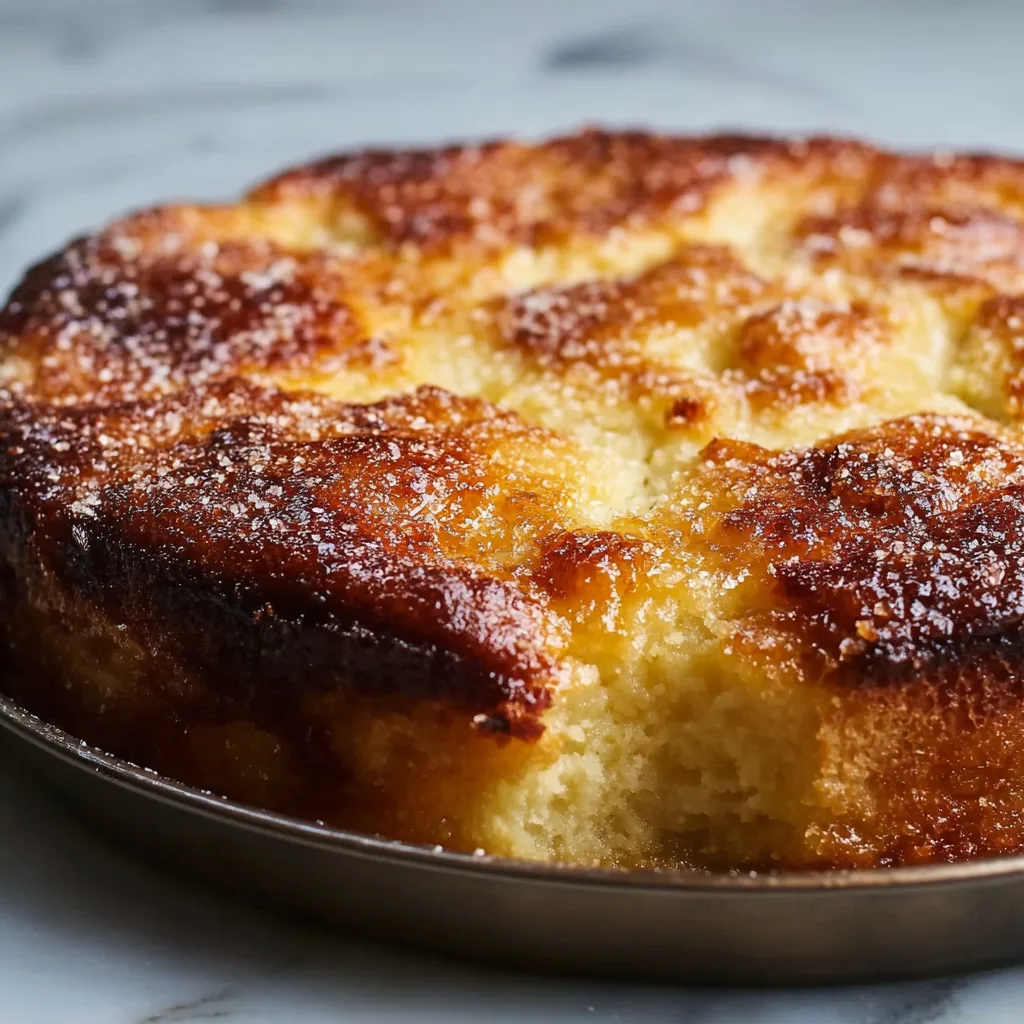
French butter cake, known in France as gâteau au beurre, stands apart from other cakes due to its unique texture and preparation method. Unlike traditional layer cakes, this dessert features a dense, custard-like interior that’s incredibly moist and tender. The magic happens during baking when the butter and sugar create a caramelized crust on top while the interior remains soft and almost pudding-like. This contrast in textures is what makes every bite an unforgettable experience.
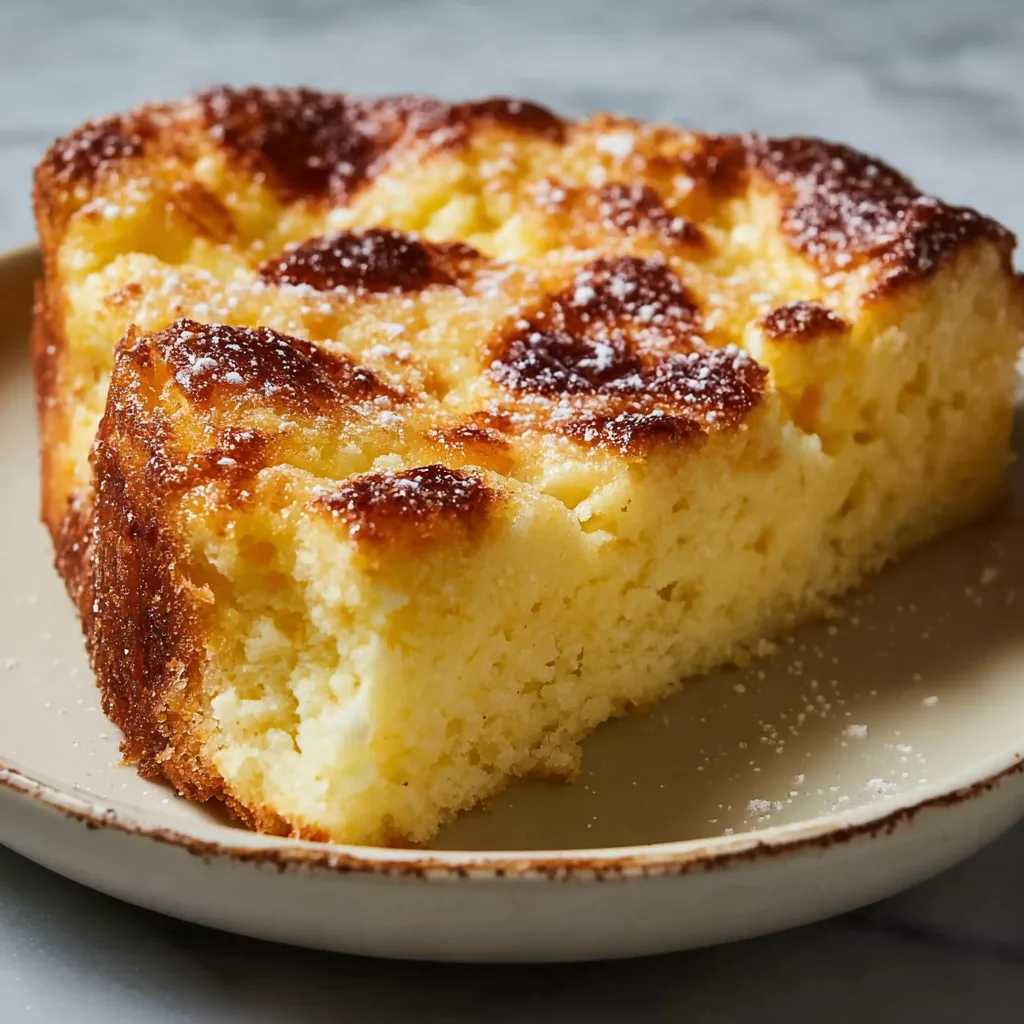
The secret to achieving this extraordinary texture lies in the high butter content and the specific mixing technique. When prepared correctly, the cake develops three distinct layers naturally during baking: a golden caramelized top, a tender cake middle, and a creamy custard-like bottom. This self-layering phenomenon occurs because of the density differences in the batter, creating a dessert that’s both visually impressive and incredibly delicious.
The Rich History Behind This French Classic
French butter cake has deep roots in traditional French home baking, where simplicity and quality ingredients reign supreme. Unlike elaborate French pastries that require extensive training and specialized equipment, this cake represents the essence of rustic French cooking. Families have passed down their versions of this recipe through generations, each adding their own special touches while maintaining the fundamental characteristics that make it authentically French.
In French households, this cake often appears at casual family gatherings and afternoon tea times rather than formal occasions. Its unpretentious nature and straightforward preparation method made it accessible to home bakers throughout France, contributing to its enduring popularity. The cake’s ability to taste luxurious despite its simple ingredient list perfectly embodies the French philosophy of letting quality ingredients shine without unnecessary complications.
Essential Ingredients for Perfect French Butter Cake
The beauty of French butter cake lies in its minimal ingredient list, which allows each component to contribute significantly to the final result. Using high-quality ingredients makes a noticeable difference in both flavor and texture. Here’s what you’ll need to create this stunning dessert:
- 6 large eggs at room temperature
- 1 1/2 cups granulated white sugar
- 1 cup all-purpose flour
- 1 cup whole milk
- 1 stick (1/2 cup) unsalted butter, melted
- 1 tablespoon pure vanilla extract
- 1/2 teaspoon salt
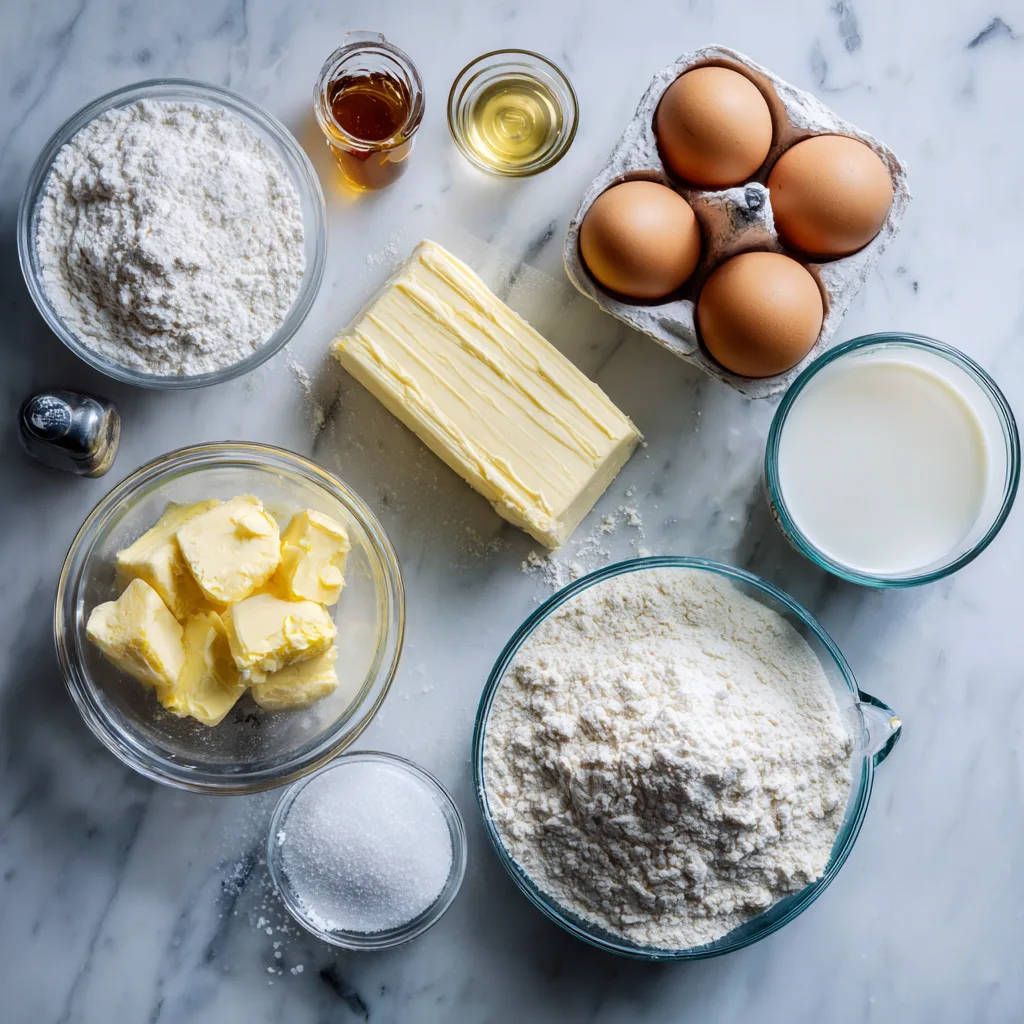
Each ingredient plays a crucial role in developing the cake’s signature characteristics. The eggs provide structure and richness, while the high proportion of butter creates that luxurious mouthfeel and helps form the caramelized top. The milk contributes to the custard-like bottom layer, and the vanilla extract adds aromatic depth that complements the buttery flavor perfectly.
Step-by-Step Instructions for Baking Success
Creating the perfect French butter cake requires attention to detail and proper technique. Follow these carefully crafted instructions to achieve bakery-quality results in your own kitchen:
- Preheat your oven to 350°F (175°C) and generously butter a 9-inch round cake pan. For easier removal, line the bottom with parchment paper and butter the paper as well.
- In a large mixing bowl, whisk together the eggs and sugar until the mixture becomes pale yellow and slightly thickened. This should take about 2-3 minutes of vigorous whisking. The sugar should be mostly dissolved, creating a smooth base for your batter.
- Gradually add the flour to the egg mixture, whisking continuously to prevent lumps from forming. The batter should become thick and smooth, with no visible flour streaks remaining.
- In a separate container, combine the milk, melted butter, vanilla extract, and salt. Stir until well blended and the butter is fully incorporated into the liquid mixture.
- Slowly pour the milk mixture into the flour batter while whisking constantly. The batter will become very thin and liquid, which is exactly what you want for this recipe. Don’t worry if it seems too runny – this creates the magical layering effect during baking.
- Pour the batter into your prepared pan and carefully transfer it to the preheated oven. Bake for 45-55 minutes, or until the top is deeply golden brown and caramelized. The cake should jiggle slightly in the center when gently shaken.
- Remove from the oven and let cool in the pan for 15 minutes before attempting to remove. The cake will be very delicate when hot, so patience is essential during this cooling period.
- Run a knife around the edges and carefully invert onto a serving plate. The caramelized top will now be on the bottom, so flip it once more to display the beautiful golden crust on top.
French Butter Cake
Ingredients
Equipment
Method
- Preheat oven to 350°F (175°C). Generously butter a 9-inch round cake pan and line bottom with parchment paper.
- Whisk together eggs and sugar in large bowl until pale yellow and slightly thickened, about 2-3 minutes.
- Gradually add flour while whisking continuously to prevent lumps. Mix until smooth with no flour streaks.
- In separate container, combine milk, melted butter, vanilla extract, and salt. Stir until well blended.
- Slowly pour milk mixture into flour batter while whisking constantly. Batter will become very thin and liquid.
- Pour batter into prepared pan. Bake 45-55 minutes until top is deeply golden brown and caramelized.
- Cool in pan for 15 minutes, then run knife around edges and carefully invert onto serving plate.
- Flip once more so caramelized top faces upward. Dust with powdered sugar if desired and serve warm or at room temperature.
Notes
Pro Tips for Achieving Bakery-Quality Results
Mastering French butter cake becomes easier when you understand these insider techniques that professional bakers use. First, always use room temperature eggs as they incorporate more smoothly into the batter and create better texture. Cold eggs can cause the melted butter to solidify in small clumps, affecting the final consistency.
The melted butter should be warm but not hot when added to the batter. If it’s too hot, it can cook the eggs prematurely, creating an unpleasant scrambled texture. Let it cool for a few minutes after melting, but don’t let it solidify again. The ideal temperature is warm to the touch but comfortable enough to hold your finger in without discomfort.
Don’t overbake this cake, as the slightly jiggly center is part of its charm and contributes to the custard-like texture. The top should be deeply caramelized to a rich golden brown, almost approaching amber in some spots. This caramelization provides not just visual appeal but also adds complex flavor notes that complement the buttery richness.
Common Mistakes to Avoid When Baking
Even experienced bakers can encounter challenges when making French butter cake for the first time. One common mistake is overmixing the batter after adding the flour, which can develop too much gluten and result in a tough, rubbery texture. Mix just until the ingredients are combined and no flour streaks remain visible.
Another frequent error involves incorrect oven temperature. If your oven runs hot, the top will caramelize too quickly while the interior remains underbaked. Consider using an oven thermometer to verify accuracy, and don’t hesitate to tent the cake with foil if the top browns too quickly before the baking time completes.
Rushing the cooling process can lead to disaster when attempting to remove the cake from the pan. The delicate custard-like bottom layer needs time to set slightly, or it will collapse and stick to the pan. Patience during this stage saves you from heartbreak and ensures a beautiful presentation.
Creative Variations to Try
While the classic French butter cake is perfection in its simplicity, several variations can add exciting new dimensions to this traditional recipe. For a citrus twist, add the zest of one lemon or orange to the batter along with the vanilla extract. The bright citrus notes cut through the richness beautifully and provide a refreshing contrast.
Chocolate lovers can create a chocolate version by replacing 1/4 cup of the flour with high-quality cocoa powder. Sift the cocoa with the flour to ensure even distribution and prevent lumps. The result is a deeply chocolatey cake that maintains the characteristic custard-like texture while adding decadent cocoa flavor.
For a sophisticated adult version, substitute 2 tablespoons of the milk with your favorite liqueur such as Grand Marnier, amaretto, or rum. The alcohol mostly evaporates during baking, leaving behind complex flavor notes that elevate the cake from simple to spectacular.
Serving Suggestions and Presentation Ideas
French butter cake shines brightest when served simply, allowing its natural flavors and textures to take center stage. A light dusting of powdered sugar over the caramelized top adds elegant visual appeal without overwhelming the cake’s subtle sweetness. For special occasions, arrange fresh berries around the base of the cake, their tartness providing perfect balance to the rich butteriness.
Serve slices slightly warm with a dollop of lightly sweetened whipped cream or a scoop of vanilla ice cream. The contrast between the warm, tender cake and cold cream creates a delightful sensory experience. For afternoon tea service, smaller portions paired with strong coffee or tea allow guests to appreciate the cake’s delicate flavors without feeling overwhelmed.
Consider presenting the cake on a rustic wooden board or simple white cake stand to highlight its homemade charm. The golden caramelized top provides all the visual interest needed, so avoid overly fussy garnishes that might distract from the cake’s natural beauty.
Storage Tips and Make-Ahead Options
Proper storage ensures your French butter cake maintains its wonderful texture and flavor for several days. Once completely cooled, cover the cake tightly with plastic wrap or store in an airtight container at room temperature for up to two days. The cake actually improves slightly after a day as the flavors meld and develop greater complexity.
For longer storage, refrigerate the covered cake for up to five days. Let it come to room temperature or warm slightly in a low oven before serving to restore the tender texture. The custard-like bottom layer may firm up slightly when chilled, but gentle rewarming brings back much of the original consistency.
While this cake doesn’t freeze as successfully as some other baked goods due to its delicate texture, you can freeze individual slices wrapped tightly in plastic wrap and aluminum foil for up to one month. Thaw in the refrigerator overnight and bring to room temperature before serving.
Troubleshooting Common Issues
If your cake doesn’t develop the characteristic three layers, the batter may have been too thick. Ensure you’re measuring flour correctly by spooning it into the measuring cup rather than scooping, which can pack too much flour and create a denser batter. The finished batter should be quite thin and pourable, almost like a thick pancake batter.
A cake that’s too dense or heavy usually results from overbaking or oven temperature that’s too low. The custard-like bottom layer needs sufficient heat to set properly while maintaining its creamy texture. If your cake seems dry rather than moist, reduce baking time by five minutes in your next attempt.
If the top burns before the interior cooks through, your oven temperature is likely too high. Reduce the temperature by 25 degrees and extend the baking time as needed. Every oven behaves differently, so don’t be afraid to adjust based on your specific equipment.
The Perfect Occasions for French Butter Cake
This versatile dessert fits beautifully into numerous occasions throughout the year. Its elegant simplicity makes it appropriate for everything from casual Sunday dinners to more formal celebrations. The cake’s not-too-sweet profile appeals to adults who appreciate subtle flavors, while its tender texture and golden appearance attract younger dessert lovers as well.
French butter cake works wonderfully as a brunch dessert, served alongside coffee and fresh fruit. The cake’s richness pairs perfectly with the lighter fare typically found at morning gatherings. For afternoon tea parties, cut the cake into smaller portions and serve on delicate china plates for an authentic French experience.
Holiday gatherings benefit from including this cake on the dessert table, where it provides a sophisticated option among more traditional sweet treats. Its make-ahead friendly nature allows hosts to prepare it the day before, reducing last-minute stress while still offering guests an impressive homemade dessert.
Why This Recipe Will Become Your New Favorite
The incredible appeal of French butter cake extends beyond its delicious taste to include practical considerations that make it ideal for home bakers. Unlike complicated layer cakes requiring multiple steps and advanced decorating skills, this recipe comes together quickly with basic ingredients and minimal equipment. The self-layering phenomenon means you achieve impressive results without any special techniques or tools.
The cake’s forgiving nature makes it accessible to bakers of all skill levels. Small variations in mixing time or slight temperature differences rarely result in complete failure, unlike more temperamental desserts. Even imperfect results still taste absolutely delicious, encouraging novice bakers to keep trying until they achieve their ideal version.
Perhaps most importantly, this cake delivers extraordinary flavor and texture that belie its simple preparation. Guests consistently express amazement when they learn how few ingredients and how little effort went into creating such a sophisticated dessert. This combination of ease and elegance makes French butter cake a reliable go-to recipe for any occasion.
Final Thoughts on Mastering This Classic
Creating the perfect French butter cake represents more than just following a recipe – it’s about understanding how simple ingredients transform through heat and chemistry into something greater than the sum of their parts. Each time you bake this cake, you’re participating in a culinary tradition that spans generations and continues to bring joy to people around the world.
Don’t be discouraged if your first attempt doesn’t turn out exactly as expected. Like many traditional recipes, French butter cake rewards practice and develops your intuition about proper consistency, doneness, and timing. Pay attention to how the batter looks and feels at each stage, and soon you’ll recognize when everything is proceeding perfectly.
Most importantly, enjoy the process of creating this beautiful dessert and sharing it with people you care about. The true magic of French butter cake isn’t just in its incredible taste and texture, but in the way it brings people together around the table to savor something special. With this comprehensive guide, you now have everything you need to master this timeless classic and create your own delicious memories.