
Healthy Oatmeal Cookies: Guilt-Free Treats That Taste Amazing
When it comes to satisfying your sweet tooth without compromising your health goals, few treats strike the perfect balance quite like Healthy Oatmeal Cookies. These wholesome, fiber-packed delights prove that you don’t have to sacrifice flavor to enjoy a nutritious snack that fits into your wellness lifestyle. Packed with hearty rolled oats, naturally sweet raisins, and just the right amount of natural sweetness, these cookies deliver that satisfying chewy texture and comforting taste you crave from traditional oatmeal cookies, but with ingredients you can feel genuinely good about eating. Whether you’re looking for a nutritious breakfast option, an afternoon energy boost, or a wholesome dessert that won’t derail your healthy eating habits, these cookies check all the boxes while actually tasting delicious rather than like cardboard health food.
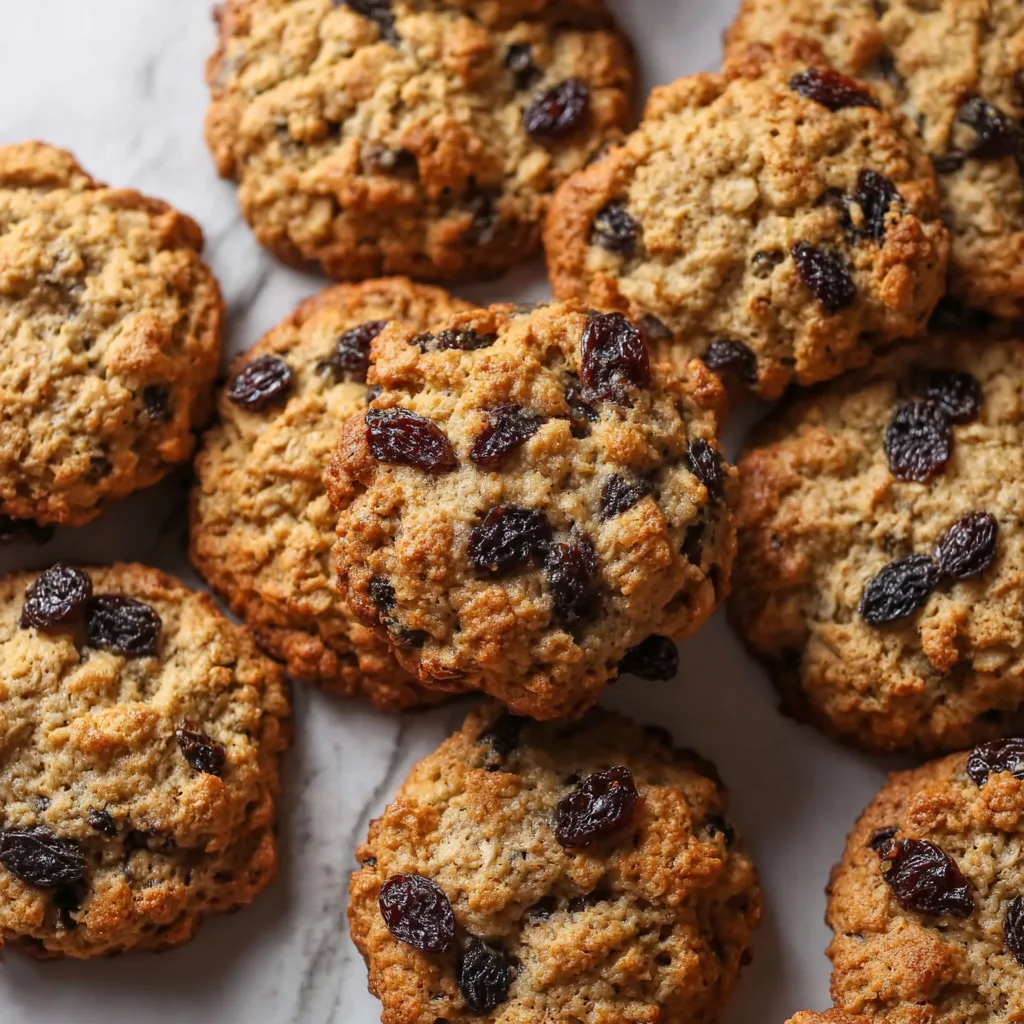
What makes these Healthy Oatmeal Cookies truly special is how they prove that nutritious baking doesn’t have to be complicated or require obscure ingredients you can’t pronounce. Using simple, whole food ingredients that you likely already have in your pantry, this recipe creates cookies that are naturally sweetened, full of fiber, and genuinely satisfying. The rolled oats provide complex carbohydrates that give you sustained energy rather than the quick sugar crash you’d get from conventional cookies, while the raisins add natural sweetness along with additional fiber and essential minerals. Unlike many “healthy” cookie recipes that taste more like obligation than indulgence, these treats actually deliver on the promise of being both nutritious and delicious, making them perfect for everyone in your family, from health-conscious adults to picky children who don’t want to feel like they’re eating diet food.
The beauty of this recipe extends far beyond its nutritional profile. These Healthy Oatmeal Cookies are incredibly versatile and forgiving, making them perfect for bakers of all skill levels. They’re sturdy enough to pack in lunchboxes without crumbling, they travel well for hiking or road trip snacks, and they store beautifully for meal prep purposes. You can make a big batch on Sunday and have nutritious grab-and-go options ready throughout your busy week. They’re also endlessly customizable—swap the raisins for dried cranberries, add chopped nuts for extra protein and healthy fats, or incorporate dark chocolate chips for a slightly more indulgent version that still maintains the wholesome foundation. This flexibility means you’ll never get bored, and you can adapt the recipe to accommodate different dietary preferences and taste preferences within your household.
The Nutritional Powerhouse Behind Every Bite
Understanding what makes these cookies genuinely healthy rather than just marketing hype helps you appreciate why they deserve a permanent place in your baking rotation. Rolled oats, the star ingredient, are whole grains that provide substantial amounts of soluble fiber, particularly beta-glucan, which has been shown to support heart health by helping to lower cholesterol levels. This same fiber also helps regulate blood sugar, preventing the dramatic spikes and crashes associated with refined sugar treats. When you eat these cookies, you’re getting sustained energy that keeps you satisfied longer, making them genuinely functional as snacks rather than empty calories that leave you hungry again thirty minutes later.
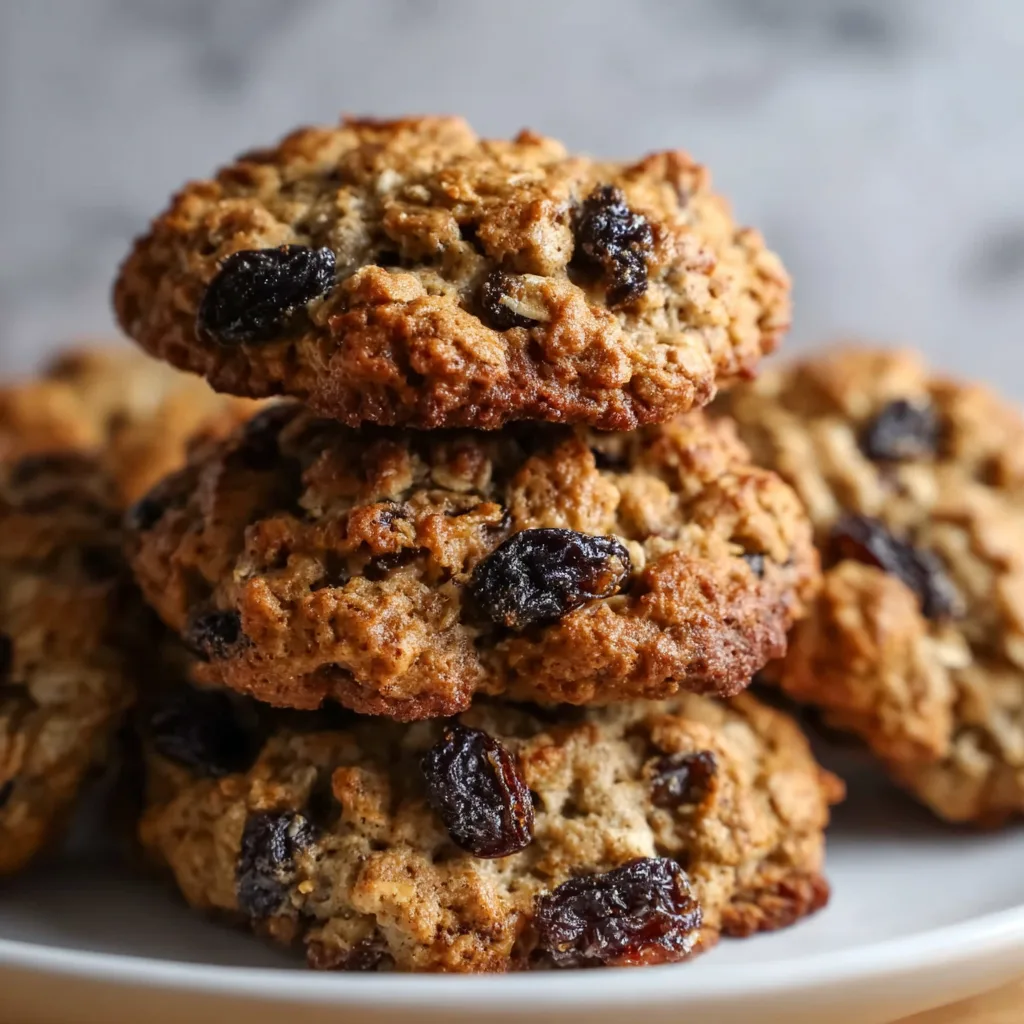
The oats in these cookies also provide important minerals including manganese, phosphorus, magnesium, and iron, all of which play crucial roles in various bodily functions from bone health to energy production. Unlike refined flour cookies that have been stripped of most nutritional value during processing, whole grain oat cookies retain these beneficial nutrients. The raisins contribute additional fiber along with potassium, which supports healthy blood pressure, and natural sugars that provide sweetness without requiring large amounts of added refined sugar. This combination of complex carbohydrates from oats and natural fruit sugars from raisins creates a more balanced treat that provides genuine nutrition alongside satisfying your desire for something sweet.
What’s particularly impressive about this recipe is how it achieves all this nutritional benefit while still tasting indulgent. Many healthy cookie recipes rely heavily on artificial sweeteners or produce results that are dry and crumbly, but these cookies maintain that classic chewy oatmeal cookie texture that makes them genuinely enjoyable to eat. The key is in the balance of ingredients and the technique—using just enough natural sweeteners to satisfy without going overboard, incorporating healthy fats that create tender texture, and understanding the science behind how ingredients interact to create cookies that are both wholesome and genuinely delicious.
Mastering the Perfect Chewy Texture
The hallmark of an excellent oatmeal cookie is that perfect chewy texture—not so soft that it falls apart, but not so crispy that it shatters when you bite into it. Achieving this ideal consistency in healthy oatmeal cookies requires understanding a few key principles. First, the ratio of wet to dry ingredients needs to be precise enough that your cookies have enough moisture to stay chewy without being underbaked and doughy. The natural oils and moisture from ingredients like honey or maple syrup, combined with the eggs, create the binding that holds everything together while contributing to that sought-after chewiness.
The type of oats you use significantly impacts your final texture. Old-fashioned rolled oats are ideal for this recipe because they maintain some structure and create that characteristic bumpy oatmeal cookie appearance while still providing chewiness. Quick oats can work in a pinch but will create a smoother, less textured cookie. Steel-cut oats are too coarse and won’t soften properly during the relatively short baking time. If you want to enhance the oat flavor even further, you can toast your oats in a dry skillet for a few minutes before adding them to your dough, which develops deeper, nuttier flavors that make your cookies even more delicious.
Baking time is crucial for achieving perfect texture. These cookies should be removed from the oven when they’re just barely set in the center and still look slightly underbaked—they’ll continue cooking on the hot baking sheet after you remove them from the oven, a process called carryover cooking. If you wait until they look completely done in the oven, they’ll likely end up overdone and crispy once they cool. The edges should be lightly golden and set while the centers still look soft. This technique ensures you get cookies that are chewy throughout rather than hard and crunchy. Letting them cool completely on the baking sheet rather than transferring them immediately to a cooling rack also helps them set properly without becoming brittle.
Smart Ingredient Substitutions for Every Dietary Need
One of the best aspects of this Healthy Oatmeal Cookie recipe is its adaptability to various dietary requirements and preferences. For those following a vegan lifestyle, this recipe easily converts by replacing the eggs with flax eggs (one tablespoon ground flaxseed mixed with three tablespoons water per egg, left to gel for five minutes) and ensuring your sweetener is vegan-friendly. The texture may be slightly different, but the cookies will still be delicious and hold together well. You can also use plant-based butter or coconut oil instead of dairy butter, though coconut oil will impart a subtle coconut flavor that some people love and others may not prefer.
If you’re managing blood sugar or simply want to reduce the glycemic impact, you can experiment with alternative sweeteners. Maple syrup and honey are traditional choices that work beautifully, but you might also try date paste, which you can make by blending pitted dates with a bit of water until smooth. This adds sweetness along with additional fiber and nutrients. For those wanting to reduce sweetener altogether, you can use extra raisins or add mashed banana, though this will change the texture somewhat. Some bakers successfully use sugar alcohols like erythritol or monk fruit sweetener, though these may require recipe adjustments and don’t work exactly like traditional sugars in baking chemistry.
For gluten-free needs, these cookies naturally work well since oats are inherently gluten-free, but you must ensure you’re buying certified gluten-free oats, as regular oats are often processed in facilities that also handle wheat and may be cross-contaminated. You can replace any all-purpose flour in the recipe with a gluten-free flour blend—look for one designed for baking that includes xanthan gum or add a quarter teaspoon of xanthan gum yourself to help with binding. The cookies might be slightly more delicate but will still taste great. You can also make these completely flour-free by using only oats, perhaps grinding some of them into oat flour in your food processor to create better structure.
Ingredients
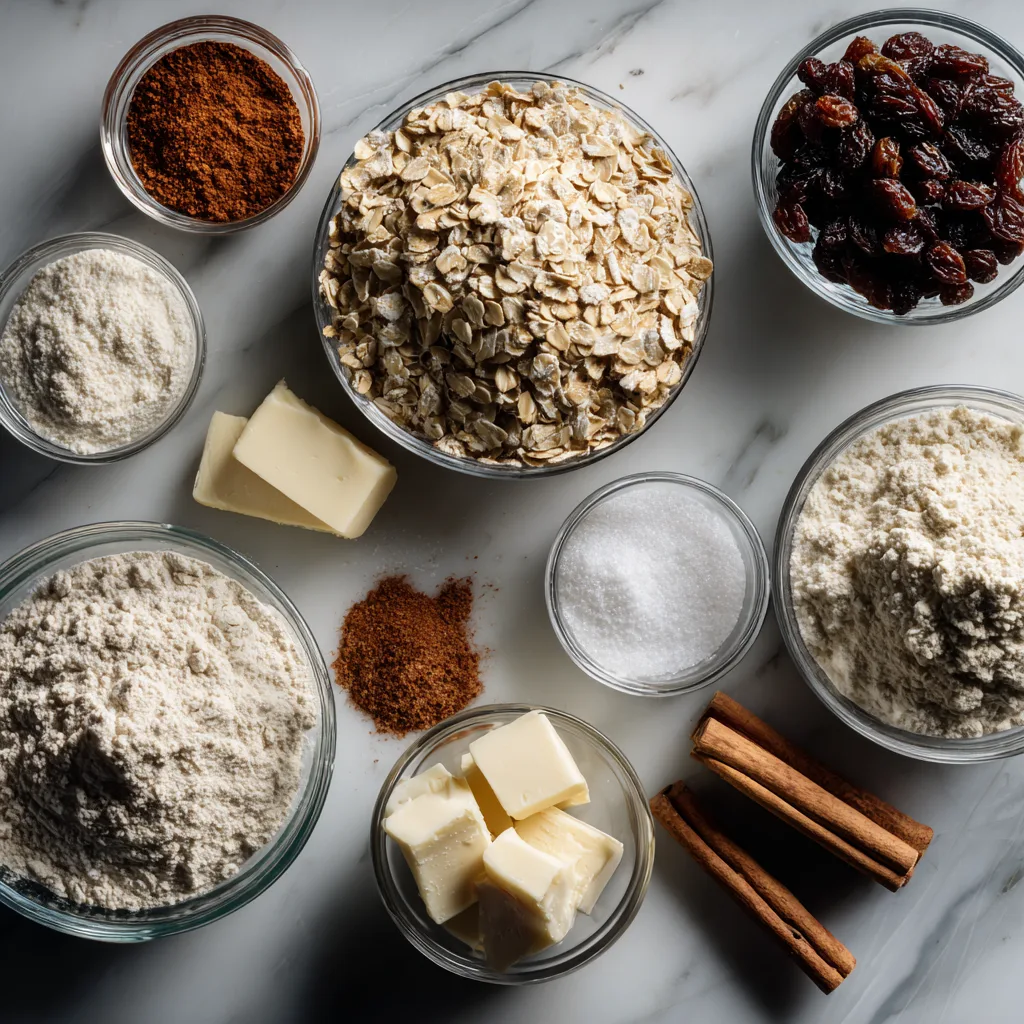
- 2 cups rolled oats
- 1 cup whole wheat flour or all-purpose flour
- 1/2 tsp baking soda
- 1/2 tsp cinnamon
- 1/4 tsp salt
- 1/3 cup coconut oil or butter (melted)
- 1/3 cup honey or maple syrup
- 1/4 cup brown sugar (optional, or use extra honey)
- 1 large egg
- 1 tsp vanilla extract
- 3/4 cup raisins
- 2-3 tbsp milk (any kind, as needed for consistency)
Instructions
- Preheat your oven to 350°F (175°C) and line a baking sheet with parchment paper for easy cleanup and to prevent sticking.
- In a large mixing bowl, combine rolled oats, flour, baking soda, cinnamon, and salt, whisking together until evenly distributed.
- In a separate bowl, whisk together melted coconut oil or butter, honey or maple syrup, brown sugar if using, egg, and vanilla extract until smooth and well combined.
- Pour the wet ingredients into the dry ingredients and stir until just combined. The mixture should be thick but scoopable.
- Fold in the raisins, distributing them evenly throughout the dough. If the dough seems too dry, add milk one tablespoon at a time until it reaches a thick cookie dough consistency.
- Drop rounded tablespoons of dough onto the prepared baking sheet, spacing them about 2 inches apart. Flatten each cookie slightly with the back of your spoon or your palm.
- Bake for 12-15 minutes, until the edges are lightly golden but the centers still look slightly soft. Don’t overbake.
- Allow cookies to cool on the baking sheet for 5 minutes before transferring to a wire rack to cool completely. They’ll firm up as they cool while maintaining a chewy center.
Healthy Oatmeal Cookies
Ingredients
Equipment
Method
- Preheat your oven to 350°F (175°C) and line a baking sheet with parchment paper for easy cleanup and to prevent sticking.
- In a large mixing bowl, combine rolled oats, flour, baking soda, cinnamon, and salt, whisking together until evenly distributed.
- In a separate bowl, whisk together melted coconut oil or butter, honey or maple syrup, brown sugar if using, egg, and vanilla extract until smooth and well combined.
- Pour the wet ingredients into the dry ingredients and stir until just combined. The mixture should be thick but scoopable.
- Fold in the raisins, distributing them evenly throughout the dough. If the dough seems too dry, add milk one tablespoon at a time until it reaches a thick cookie dough consistency.
- Drop rounded tablespoons of dough onto the prepared baking sheet, spacing them about 2 inches apart. Flatten each cookie slightly with the back of your spoon or your palm.
- Bake for 12-15 minutes, until the edges are lightly golden but the centers still look slightly soft. Don’t overbake.
- Allow cookies to cool on the baking sheet for 5 minutes before transferring to a wire rack to cool completely. They’ll firm up as they cool while maintaining a chewy center.
Notes
Flavor Variations to Keep Things Exciting
Once you’ve mastered the basic Healthy Oatmeal Cookie recipe, the world of flavor possibilities opens up before you, allowing you to create different variations that keep these wholesome treats exciting and prevent boredom. One of the most popular adaptations is the addition of nuts, which not only provide delightful crunch and flavor but also add healthy fats, protein, and additional nutrients. Chopped walnuts are classic and provide omega-3 fatty acids, while pecans offer a buttery richness that pairs beautifully with the natural sweetness of the raisins. Almonds add a subtle sweet nuttiness and work particularly well if you’re also adding a touch of almond extract to the dough.
For chocolate lovers who still want to maintain the healthy foundation of these cookies, dark chocolate chips or cacao nibs make excellent additions. Dark chocolate with at least seventy percent cacao provides antioxidants and creates that satisfying sweet-meets-bitter complexity that elevates the cookies from wholesome to indulgent without completely abandoning the health goals. You can also try swapping the raisins entirely for dried cranberries, which provide a tart contrast to the sweet cookie base, or dried cherries for a more sophisticated flavor profile. Dried blueberries work wonderfully too, offering additional antioxidants and a milder fruit flavor that appeals to those who aren’t big raisin fans.
Spice variations can completely transform the character of these cookies. While cinnamon is traditional, try adding a quarter teaspoon of nutmeg or ginger for warm, spicy notes that are especially appealing during fall and winter months. A pinch of cardamom creates an exotic, aromatic quality that makes these cookies feel special enough for company. For a tropical twist, add unsweetened shredded coconut and swap the raisins for chopped dried pineapple or mango. You might even try a savory-sweet version by reducing the sweetener slightly and adding a tablespoon of tahini or almond butter for depth, along with a sprinkle of sea salt on top before baking.
Storage Solutions for Maximum Freshness
Proper storage is essential for maintaining the quality and texture of your Healthy Oatmeal Cookies, ensuring they stay chewy and delicious rather than becoming stale or hard. At room temperature in an airtight container, these cookies will maintain their best quality for about five to seven days. The key is ensuring the container is truly airtight—exposure to air is what causes cookies to become stale, so invest in good quality storage containers with secure lids. Adding a slice of bread to the container is an old baker’s trick that helps maintain moisture; the cookies will absorb moisture from the bread, staying soft and chewy while the bread becomes stale instead.
For longer storage, these cookies freeze exceptionally well, making them perfect for meal prep or ensuring you always have healthy snacks on hand. Once the cookies have cooled completely, arrange them in a single layer on a baking sheet and freeze until solid, then transfer them to a freezer bag or container where they’ll keep for up to three months. This initial freezing step prevents them from sticking together in a big clump. When you want a cookie, you can either let it thaw at room temperature for about twenty minutes, or for a fresh-from-the-oven experience, warm it in a low oven or microwave for just a few seconds.
If you want to be even more prepared, you can freeze the cookie dough itself, which allows you to bake fresh cookies whenever the craving strikes without having to mix up a whole batch. Scoop the dough into individual portions on a baking sheet and freeze until solid, then transfer the frozen dough balls to a freezer bag. You can bake them directly from frozen—just add a minute or two to the baking time. This method gives you all the convenience of store-bought cookie dough but with wholesome ingredients you control. Some bakers actually prefer baking from frozen dough because the cookies maintain their shape better and develop slightly crisper edges while staying chewy in the center.
Troubleshooting Common Oatmeal Cookie Challenges
Even with a straightforward recipe like these Healthy Oatmeal Cookies, you might occasionally encounter challenges, but understanding the causes and solutions will help you achieve perfect results every time. If your cookies are spreading too much and becoming thin and crispy rather than thick and chewy, this usually indicates that your dough is too warm or your butter or coconut oil was too liquid when you mixed the dough. To fix this, try refrigerating your dough for thirty minutes before baking, which allows the fats to solidify and helps the cookies maintain their shape better. You might also need to add a tablespoon or two more flour if your dough seems particularly wet or loose.
Conversely, if your cookies are too dry, crumbly, or cake-like rather than chewy, you’ve likely used too much flour or not enough liquid ingredients. Baking is chemistry, and accurate measurements matter, especially with healthy baking where you’re often using less fat and sugar than traditional recipes. Always measure your flour correctly by spooning it into your measuring cup and leveling it off rather than scooping directly from the bag, which compacts the flour and gives you too much. You can also try adding an extra tablespoon of honey or a bit more milk to add moisture back into your dough.
If your cookies are browning too quickly on the bottom, your oven may be running hot, or you may need to use a lighter-colored baking sheet. Dark pans absorb more heat and can cause excessive browning. Try reducing your oven temperature by twenty-five degrees or placing a second baking sheet underneath your cookie sheet to provide insulation. If your cookies are hard rather than chewy, you’re likely overbaking them—remember that they should look slightly underdone when you remove them from the oven. Setting a timer and checking a minute or two before the recommended time can help you catch them at the perfect moment.
Making These Cookies Work for Your Lifestyle
The true value of these Healthy Oatmeal Cookies lies in how seamlessly they fit into various aspects of a health-conscious lifestyle. For busy mornings when you need breakfast on the go, pairing a couple of these cookies with a piece of fruit and some protein like Greek yogurt or a hard-boiled egg creates a balanced meal that provides sustained energy without requiring cooking time. The fiber from the oats and raisins, combined with the complex carbohydrates, gives you the fuel you need to start your day right, while the natural sweetness makes it feel like a treat rather than a chore.
For fitness enthusiasts, these cookies work beautifully as pre-workout fuel or post-workout recovery snacks. The carbohydrates provide energy for your workout, while eating them afterward helps replenish glycogen stores. If you’re using them for athletic purposes, you might consider adding protein powder to the dough—vanilla or unflavored protein powder works best and can replace some of the flour. This modification increases the protein content, supporting muscle recovery while maintaining the delicious oatmeal cookie flavor and texture.
Parents particularly appreciate these cookies because they’re one of the rare treats that children actually enjoy eating while parents can feel good about serving them. They’re perfect for school lunches, after-school snacks, or even as a sneaky way to get whole grains into picky eaters who might otherwise reject anything labeled “healthy.” The familiar oatmeal raisin flavor isn’t intimidating, and the cookies look and taste enough like “regular” cookies that children don’t feel like they’re being forced to eat diet food. The natural sweetness satisfies their desire for treats while providing actual nutrition, making them a win-win for parents trying to balance health and happiness.
Bringing It All Together: Your Healthiest Cookie Choice
Healthy Oatmeal Cookies represent the perfect intersection of nutrition and indulgence, proving that treating yourself doesn’t have to mean abandoning your wellness goals. These cookies demonstrate that with thoughtful ingredient choices and proper technique, you can create baked goods that genuinely support your health while still delivering the satisfaction and comfort that make cookies so beloved. The whole grains provide fiber and sustained energy, the natural sweeteners offer genuine sweetness without excessive refined sugar, and the simple, recognizable ingredients mean you know exactly what you’re putting into your body with every bite.
The journey of creating these cookies in your own kitchen connects you to your food in meaningful ways. There’s something deeply satisfying about pulling a tray of golden, fragrant oatmeal cookies from your oven, knowing that you’ve created something delicious that will actually nourish your body rather than just providing empty calories. The process becomes an act of self-care and care for your loved ones, showing that you value their health enough to put in the small amount of effort required to make wholesome treats from scratch rather than relying on processed alternatives loaded with preservatives and questionable ingredients.
As you continue making these Healthy Oatmeal Cookies and experimenting with different variations and adaptations, they’ll become more than just a recipe—they’ll become part of your lifestyle and your family’s food culture. They represent a sustainable approach to healthy eating that doesn’t rely on restriction or deprivation but instead focuses on making genuinely nourishing choices that also happen to taste wonderful. So gather your simple ingredients, preheat your oven, and get ready to create batches of wholesome, delicious cookies that prove healthy eating can be absolutely delicious. Your taste buds and your body will thank you for finding this perfect balance.