Homemade Pork Tenderloin Fried Rice: Restaurant-Quality Asian Comfort Food
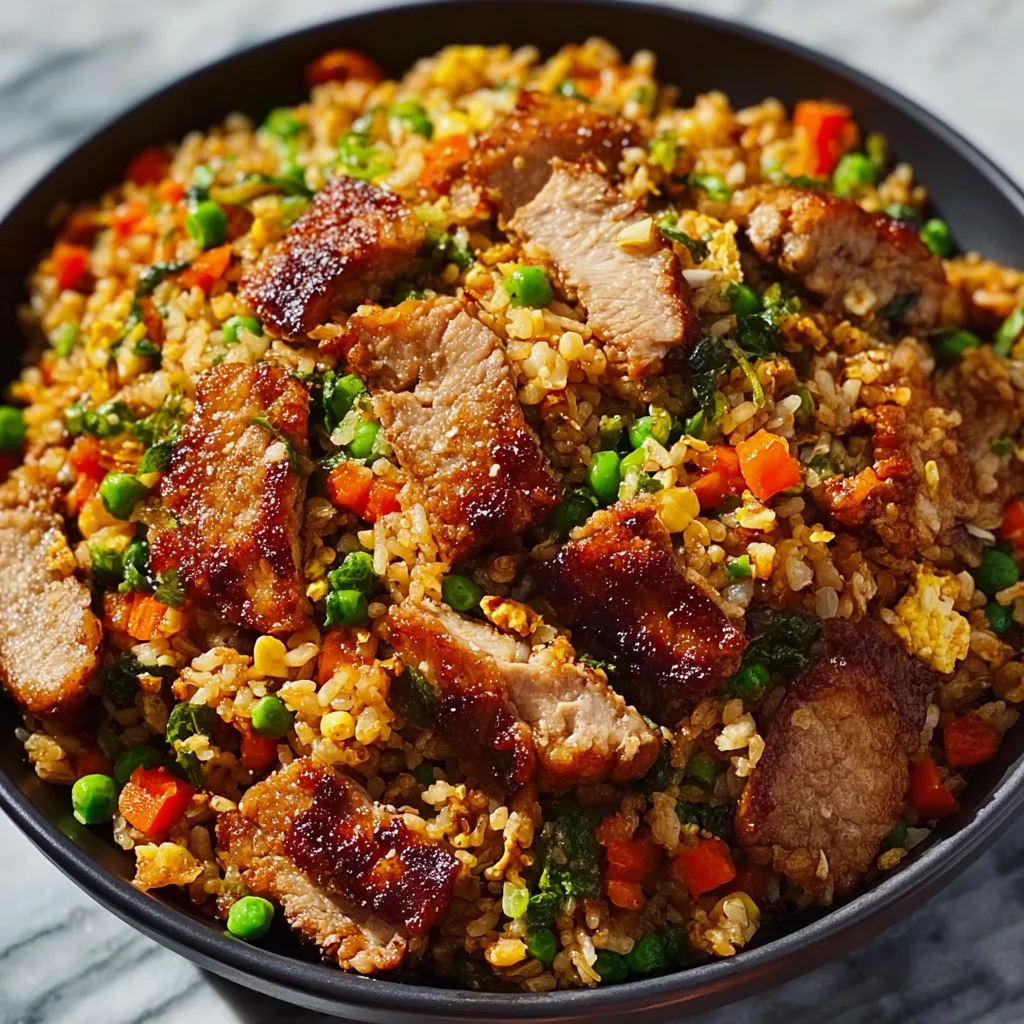
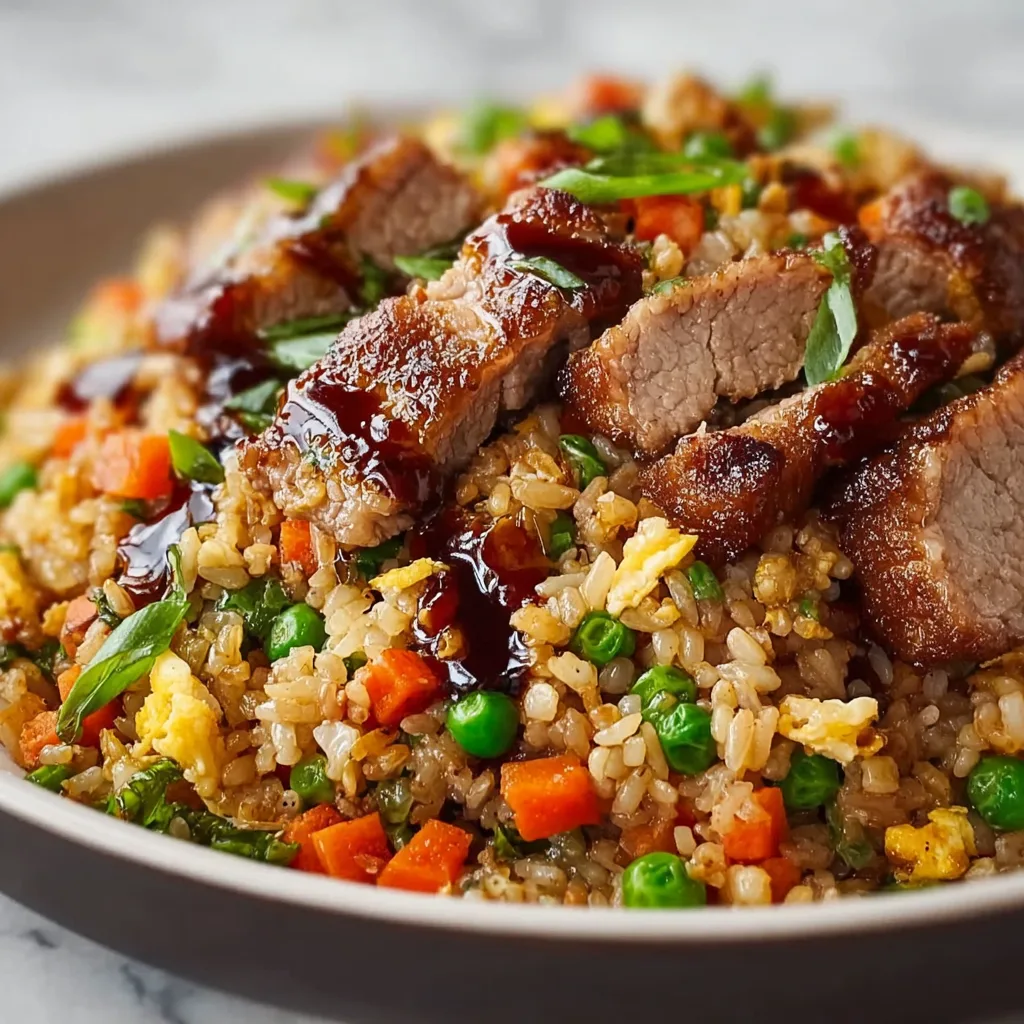
Transform your leftover rice and tender pork tenderloin into an irresistible homemade fried rice that rivals your favorite takeout spot. This delicious pork tenderloin fried rice combines perfectly seasoned rice, succulent slices of caramelized pork, and a colorful medley of vegetables in a savory sauce that will have everyone asking for seconds. Whether you’re looking for a quick weeknight dinner solution or planning your weekly meal prep, this recipe delivers authentic Asian flavors with minimal effort and maximum satisfaction.
Why This Pork Tenderloin Fried Rice Recipe Works
Fried rice has earned its place as one of the most beloved comfort foods across the globe, and for good reason. This homemade pork tenderloin fried rice recipe takes the classic dish to new heights by using tender, juicy pork tenderloin instead of standard pork cuts. The key to achieving restaurant-quality results lies in understanding a few fundamental techniques that professional chefs use in their kitchens.
First, using day-old refrigerated rice is absolutely essential for creating that characteristic separated grain texture that defines excellent fried rice. Fresh rice contains too much moisture and will turn mushy when stir-fried, while day-old rice has dried out slightly, allowing each grain to fry individually and develop that slightly crispy exterior we all crave. The pork tenderloin provides a lean yet incredibly tender protein that absorbs the savory seasonings beautifully while maintaining its juicy interior.
The combination of soy sauce, oyster sauce, and sesame oil creates a complex umami-rich flavor profile that coats every grain of rice and piece of pork. Adding fresh vegetables like carrots, peas, and corn not only brings vibrant color to the dish but also provides textural contrast and nutritional value. The finishing touch of fresh scallions adds a sharp, fresh bite that cuts through the richness and brings all the flavors together harmoniously.
The Secret to Perfectly Cooked Pork Tenderloin
Achieving tender, flavorful pork tenderloin in your fried rice requires proper preparation and cooking technique. Start by slicing your pork tenderloin against the grain into medallions approximately three-quarters of an inch thick. This thickness ensures the pork cooks quickly without drying out while developing a beautiful caramelized crust on both sides.
Season the pork slices generously with salt and pepper before searing them in a hot pan with a small amount of oil. The high heat creates a Maillard reaction on the surface of the meat, developing those rich, complex flavors that make restaurant-style dishes so irresistible. Cook each side for approximately three to four minutes until you achieve a golden-brown crust and the internal temperature reaches 145 degrees Fahrenheit.
Allow the cooked pork to rest for at least five minutes before slicing it into bite-sized pieces for the fried rice. This resting period allows the juices to redistribute throughout the meat, ensuring every bite remains moist and tender. The residual heat will also continue cooking the pork slightly, bringing it to perfect doneness without any risk of overcooking during the final stir-fry process.
Mastering the Art of Fried Rice Technique
Creating exceptional fried rice at home requires understanding the proper stir-frying technique and having your ingredients prepared and ready before you begin cooking. Professional chefs call this “mise en place,” which means having everything in its place. Break up your day-old rice with your hands or a fork to separate any clumps before cooking, ensuring even distribution and proper frying.
Heat your wok or large skillet over high heat until it’s smoking hot before adding oil. This intense heat is crucial for achieving that characteristic “wok hei” or breath of the wok flavor that distinguishes restaurant fried rice from homemade versions. Add your aromatics first – minced garlic and ginger – allowing them to bloom in the hot oil for just fifteen to twenty seconds before adding your vegetables.
Stir-fry the vegetables quickly, keeping them moving constantly to prevent burning while allowing them to develop slight char marks. Push the vegetables to the sides of the pan and add your beaten eggs to the center, scrambling them until just set before mixing everything together. Finally, add your rice and sauces, tossing everything continuously for two to three minutes until the rice is heated through and every grain is coated in the glossy, savory sauce.
Essential Ingredients and Substitutions
This pork tenderloin fried rice recipe relies on several key ingredients that work together to create its signature flavor profile. While each component plays an important role, there’s also flexibility for substitutions based on dietary preferences or ingredient availability.
The pork tenderloin serves as the star protein, providing lean, tender meat that absorbs flavors beautifully. If pork tenderloin isn’t available, you can substitute pork chops, chicken breast, or even shrimp for equally delicious results. For vegetarian versions, extra-firm tofu or tempeh make excellent protein alternatives that crisp up wonderfully when pan-fried.
Day-old white rice forms the foundation of this dish, but you can experiment with brown rice, jasmine rice, or even cauliflower rice for lower-carb options. Just remember that different rice varieties may require slight adjustments to cooking time and liquid ratios. The vegetable combination of carrots, peas, and corn provides classic fried rice flavors, but feel free to incorporate bell peppers, broccoli florets, snap peas, or any other vegetables you enjoy.
Soy sauce and oyster sauce create the essential savory base, with sesame oil adding nutty depth. For gluten-free versions, use tamari instead of regular soy sauce and check that your oyster sauce is certified gluten-free. If oyster sauce isn’t available, hoisin sauce makes a suitable substitute, though it will add slightly sweeter notes to the final dish.
Ingredients
For the Pork:
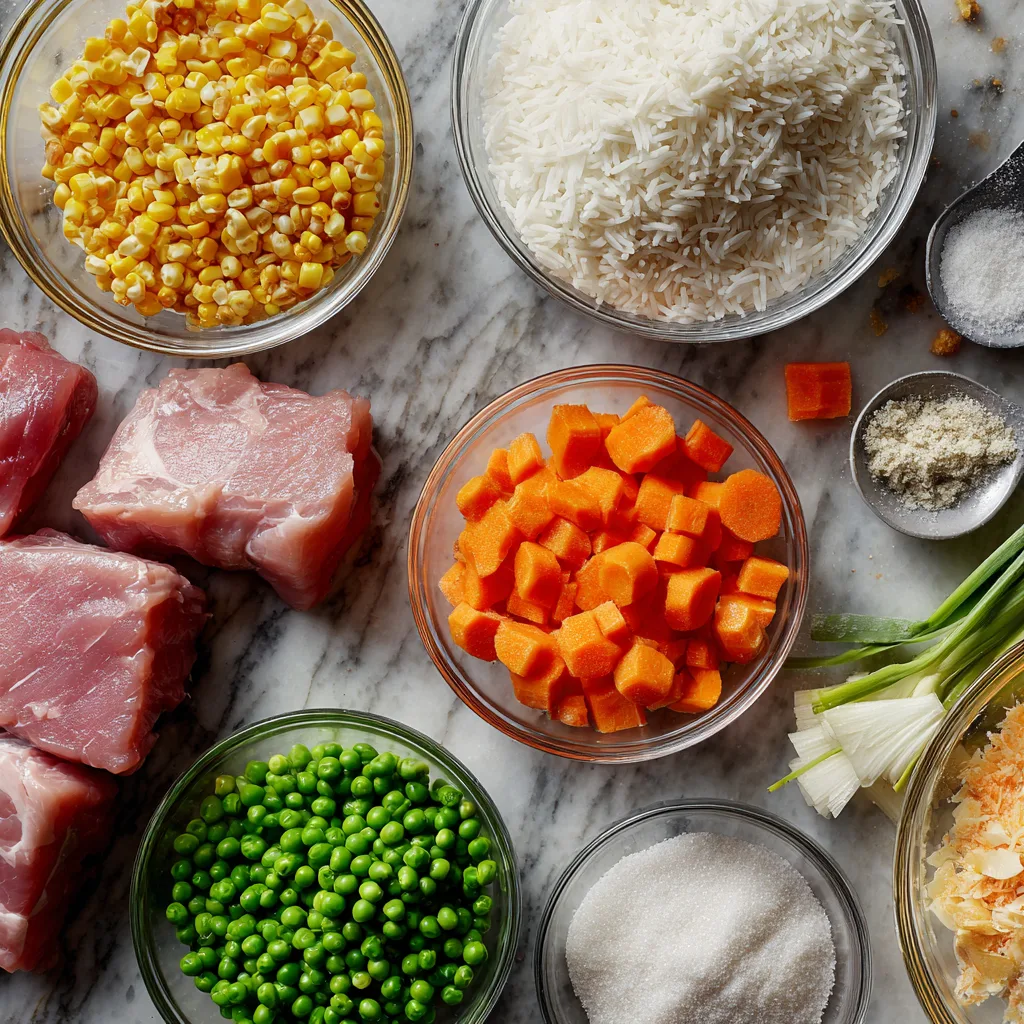
- 1 pound pork tenderloin
- 2 tablespoons vegetable oil
- Salt and black pepper to taste
For the Fried Rice:
- 4 cups day-old cooked white rice
- 3 tablespoons vegetable oil (divided)
- 3 cloves garlic (minced)
- 1 tablespoon fresh ginger (minced)
- 1 cup carrots (diced)
- 1 cup frozen peas
- 1 cup corn kernels
- 3 large eggs (beaten)
- 3 tablespoons soy sauce
- 2 tablespoons oyster sauce
- 1 tablespoon sesame oil
- 4 green onions (sliced)
- White sesame seeds for garnish (optional)
Instructions
- Remove the pork tenderloin from refrigeration thirty minutes before cooking to bring it to room temperature. Pat dry with paper towels and slice into three-quarter inch thick medallions. Season generously with salt and black pepper on both sides.
- Heat two tablespoons of vegetable oil in a large skillet or wok over high heat until shimmering. Add the pork medallions in a single layer, being careful not to overcrowd the pan. Sear for three to four minutes per side until a golden-brown crust forms and the internal temperature reaches 145 degrees Fahrenheit.
- Transfer the cooked pork to a cutting board and let rest for five minutes. Once rested, slice the pork medallions into bite-sized pieces approximately half an inch thick. Set aside while you prepare the fried rice.
- If your day-old rice is clumped together, break it apart with your hands or a fork to separate the grains. This step ensures even cooking and prevents mushy fried rice. Set the rice aside near your cooking station.
- In a small bowl, whisk together the soy sauce, oyster sauce, and sesame oil. Having your sauce mixture prepared beforehand allows you to work quickly once the stir-frying begins.
- Heat one tablespoon of vegetable oil in your wok or large skillet over high heat until smoking hot. Add the minced garlic and ginger, stirring constantly for fifteen to twenty seconds until fragrant but not burned.
- Add the diced carrots to the pan and stir-fry for two minutes until they begin to soften slightly. Add the frozen peas and corn kernels, continuing to stir-fry for another two minutes until the vegetables are heated through and beginning to char slightly at the edges.
- Push all the vegetables to the sides of the pan, creating a well in the center. Add the remaining tablespoon of oil to the center and pour in the beaten eggs. Let the eggs sit undisturbed for fifteen seconds, then scramble them using your spatula until just set but still slightly wet.
- Add the separated day-old rice to the pan, breaking up any remaining clumps with your spatula. Stir-fry continuously for two to three minutes, tossing the rice with the vegetables and eggs until everything is well combined and heated through.
- Pour the prepared sauce mixture over the rice and toss everything together vigorously for one to two minutes until every grain is coated in the glossy sauce and the rice has absorbed the seasonings.
- Add the sliced pork tenderloin pieces to the fried rice, gently folding them in to combine. Continue cooking for one additional minute to ensure the pork is heated through.
- Remove the pan from heat and stir in the sliced green onions, reserving a small handful for garnish. Transfer the finished pork tenderloin fried rice to a large serving bowl or individual plates, topping with the reserved scallions and sesame seeds if desired.
Homemade Pork Tenderloin Fried Rice
Ingredients
Equipment
Method
- Remove pork tenderloin from refrigeration 30 minutes before cooking. Pat dry, slice into 3/4-inch medallions, and season with salt and pepper.
- Heat 2 tablespoons oil in large skillet over high heat. Sear pork medallions 3-4 minutes per side until golden-brown and internal temperature reaches 145°F.
- Transfer pork to cutting board and rest 5 minutes. Slice into bite-sized pieces and set aside.
- Break apart day-old rice to separate grains. In small bowl, whisk together soy sauce, oyster sauce, and sesame oil.
- Heat 1 tablespoon oil in wok over high heat. Add garlic and ginger, stirring constantly for 15-20 seconds until fragrant.
- Add diced carrots and stir-fry 2 minutes. Add peas and corn, continuing to stir-fry another 2 minutes.
- Push vegetables to sides of pan. Add remaining oil to center, pour in beaten eggs, and scramble until just set.
- Add separated rice to pan, stir-frying 2-3 minutes while tossing with vegetables and eggs until well combined.
- Pour sauce mixture over rice and toss vigorously 1-2 minutes until every grain is coated.
- Add sliced pork, folding gently to combine. Cook 1 additional minute to heat through.
- Remove from heat, stir in sliced green onions (reserve some for garnish). Serve immediately topped with reserved scallions and sesame seeds.
Notes
Pro Tips for Restaurant-Quality Results
Achieving that elusive restaurant-quality texture and flavor in your homemade fried rice becomes much easier when you understand a few professional secrets. First, always cook with the highest heat your stove can produce. Home stoves typically can’t match the BTU output of commercial wok burners, but maximizing your heat source makes a significant difference in developing that characteristic smoky flavor.
Work in batches if necessary rather than overcrowding your pan. Adding too many ingredients at once drops the temperature dramatically, causing your rice to steam rather than fry. This results in soggy, mushy fried rice instead of the separated, slightly crispy grains you’re aiming for. If you’re doubling the recipe, it’s better to cook two separate batches than to crowd everything into one oversized pan.
Don’t be afraid of a little char on your vegetables and rice. Those slightly blackened edges contribute complex, smoky flavors that define exceptional fried rice. Keep your ingredients moving constantly, but allow brief moments of contact with the hot pan to develop those desirable caramelized spots.
Finally, taste and adjust your seasonings at the end of cooking. Every brand of soy sauce and oyster sauce has different sodium levels, so you may need to add a splash more soy sauce for saltiness or a drizzle of sesame oil for additional nutty richness. Trust your palate and season confidently.
Meal Prep and Storage Solutions
This pork tenderloin fried rice recipe excels as a meal prep option, making it perfect for busy individuals and families looking to streamline their weekly cooking routine. Prepare a large batch on Sunday evening, and you’ll have delicious, ready-to-eat lunches or quick dinners throughout the week.
Store the cooled fried rice in airtight containers in the refrigerator for up to four days. For best results, store the rice and pork together, but keep any additional garnishes like fresh scallions or sesame seeds separate until serving. This prevents the garnishes from wilting or becoming soggy during storage.
To reheat, add a tablespoon of water or chicken broth to your portion of fried rice and microwave in thirty-second intervals, stirring between each heating, until warmed through. The added moisture helps revive the rice without making it mushy. Alternatively, reheat in a skillet over medium-high heat, stirring frequently until hot and sizzling.
This fried rice also freezes beautifully for up to three months. Portion the cooled rice into individual serving sizes in freezer-safe containers, pressing out as much air as possible before sealing. Thaw overnight in the refrigerator before reheating, or reheat directly from frozen by adding a few extra minutes to your reheating time.
Serving Suggestions and Variations
While this pork tenderloin fried rice stands beautifully on its own as a complete meal, you can elevate your dining experience with complementary side dishes and creative variations. Serve alongside simple steamed vegetables like garlicky bok choy or Chinese broccoli for additional nutritional value and textural contrast.
For a more substantial feast, pair your fried rice with classic Asian appetizers like crispy spring rolls, pot stickers, or fresh summer rolls with peanut dipping sauce. A light, tangy cucumber salad dressed with rice vinegar and sesame seeds provides refreshing contrast to the rich, savory fried rice.
Transform this recipe into different flavor profiles by adjusting the seasonings and add-ins. Try a Korean-inspired version by adding gochujang paste to your sauce mixture and topping with kimchi and a fried egg. Create a Thai variation by incorporating fish sauce, lime juice, and fresh basil, finishing with crushed peanuts and a lime wedge.
For a breakfast twist, increase the eggs to four or five and add crispy bacon pieces instead of pork tenderloin. Top with sliced avocado and hot sauce for a satisfying morning meal that provides sustained energy throughout your busy day.
Conclusion: Your New Favorite Weeknight Dinner
This homemade pork tenderloin fried rice recipe represents everything we love about comfort food – it’s satisfying, flavorful, and surprisingly simple to prepare despite its impressive restaurant-quality results. By understanding the fundamental techniques of stir-frying and using quality ingredients, you can create a dish that rivals any takeout option while controlling exactly what goes into your meal.
The versatility of this recipe means you’ll never get bored, as you can easily adapt it to incorporate whatever vegetables, proteins, or seasonings you have on hand. Whether you’re cooking for a hungry family on a busy weeknight, preparing your weekly meal prep, or looking to impress dinner guests with your Asian cooking skills, this pork tenderloin fried rice delivers on all fronts. Master this recipe, and you’ll find yourself turning to it again and again as a reliable, delicious solution to the eternal question of “what’s for dinner?”