Italian Pastina Soup – The Ultimate Comfort Food That Warms Your Soul
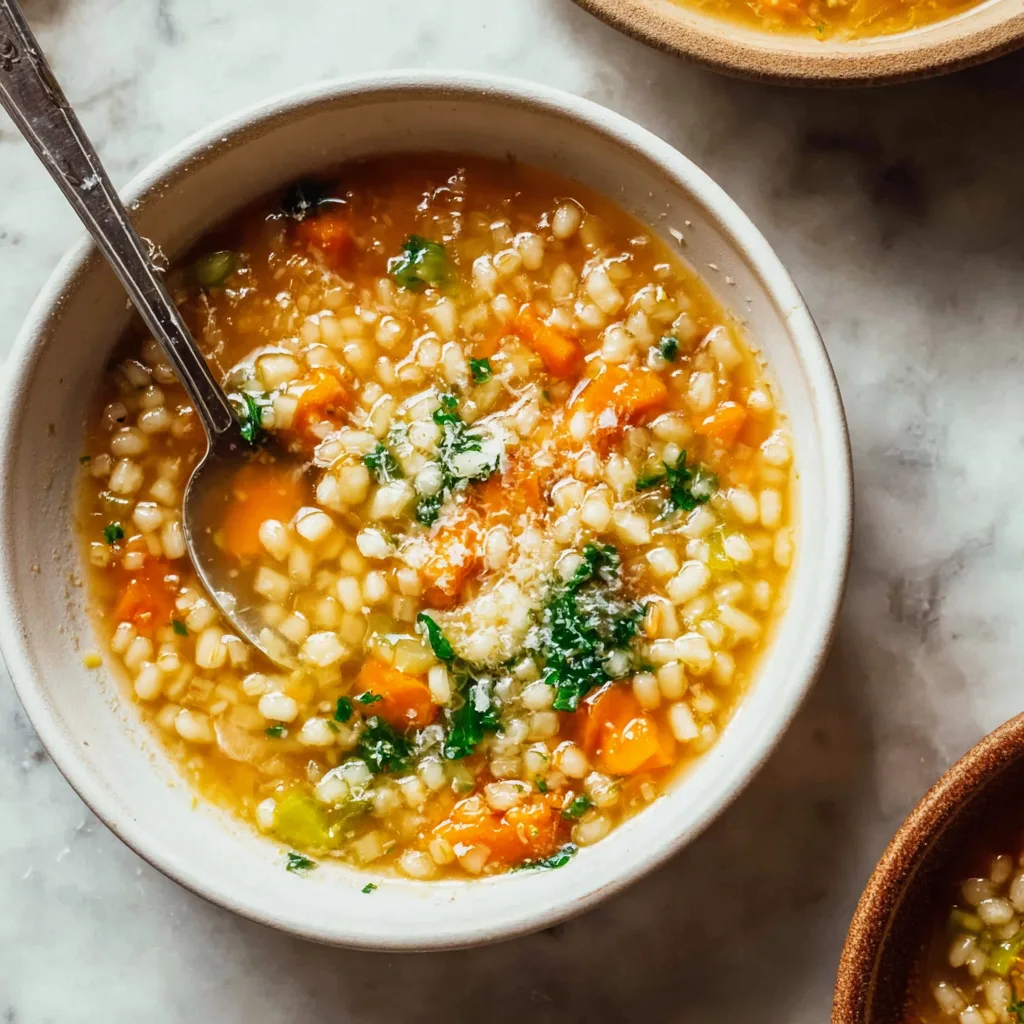
When the weather turns chilly and you’re craving something that feels like a warm hug in a bowl, nothing beats a steaming serving of Italian pastina soup. This traditional Italian comfort food has been warming hearts and homes for generations, combining tiny star-shaped pasta with rich, savory broth and tender vegetables to create the perfect meal for any occasion.
Italian pastina soup represents everything beautiful about Italian cuisine – simplicity, quality ingredients, and the power of food to bring families together. Whether you’re fighting off a cold, need a quick weeknight dinner, or want to recreate childhood memories, this authentic recipe delivers every single time with its rich, satisfying flavors and soul-warming qualities.
What Makes Pastina Soup So Special?
Pastina, which literally means “little pasta” in Italian, refers to the smallest pasta shapes available, typically stars, rings, or tiny tubes. In Italian households, pastina soup is often the first solid food given to babies and remains a beloved comfort food throughout life. The beauty of this dish lies in its versatility – you can customize it with whatever vegetables you have on hand while maintaining that classic, comforting taste.
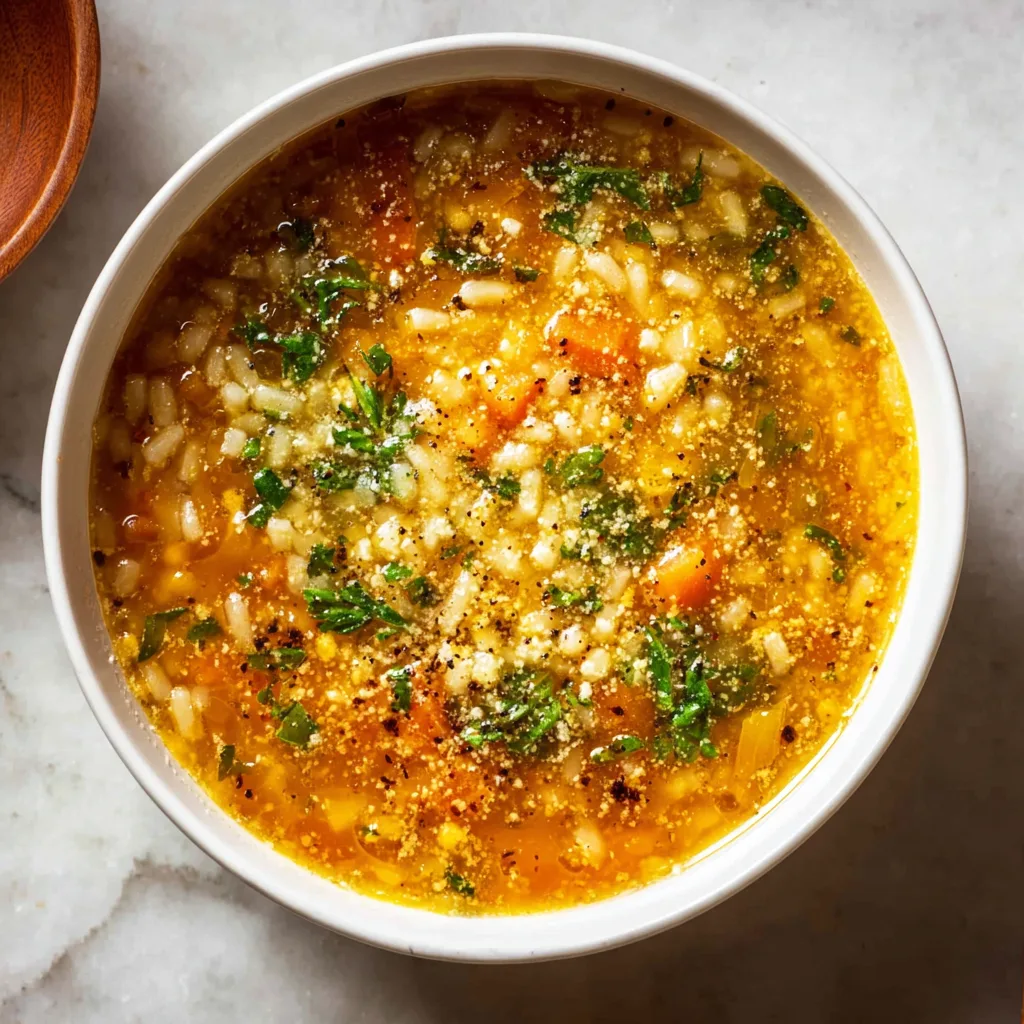
The magic happens when the tiny pasta absorbs the flavorful broth, creating a thick, almost porridge-like consistency that’s both filling and nourishing. Unlike larger pasta shapes, pastina cooks quickly and creates a unique texture that’s perfect for spooning, making it ideal for children, elderly family members, or anyone seeking ultimate comfort food.
Traditional Italian families often prepare large batches of pastina soup during colder months, allowing the flavors to develop and intensify over time. The soup actually improves after sitting, as the pastina continues to absorb the broth and the vegetables release their natural sweetness into the liquid.
Essential Ingredients for Authentic Italian Pastina Soup
Creating authentic Italian pastina soup requires understanding the balance between simplicity and flavor. The foundation starts with high-quality chicken or vegetable broth, which forms the base of every spoonful. Many Italian cooks prefer making their own broth from scratch, simmering chicken bones with aromatics for hours to create a rich, gelatinous liquid that adds incredible depth to the finished soup.
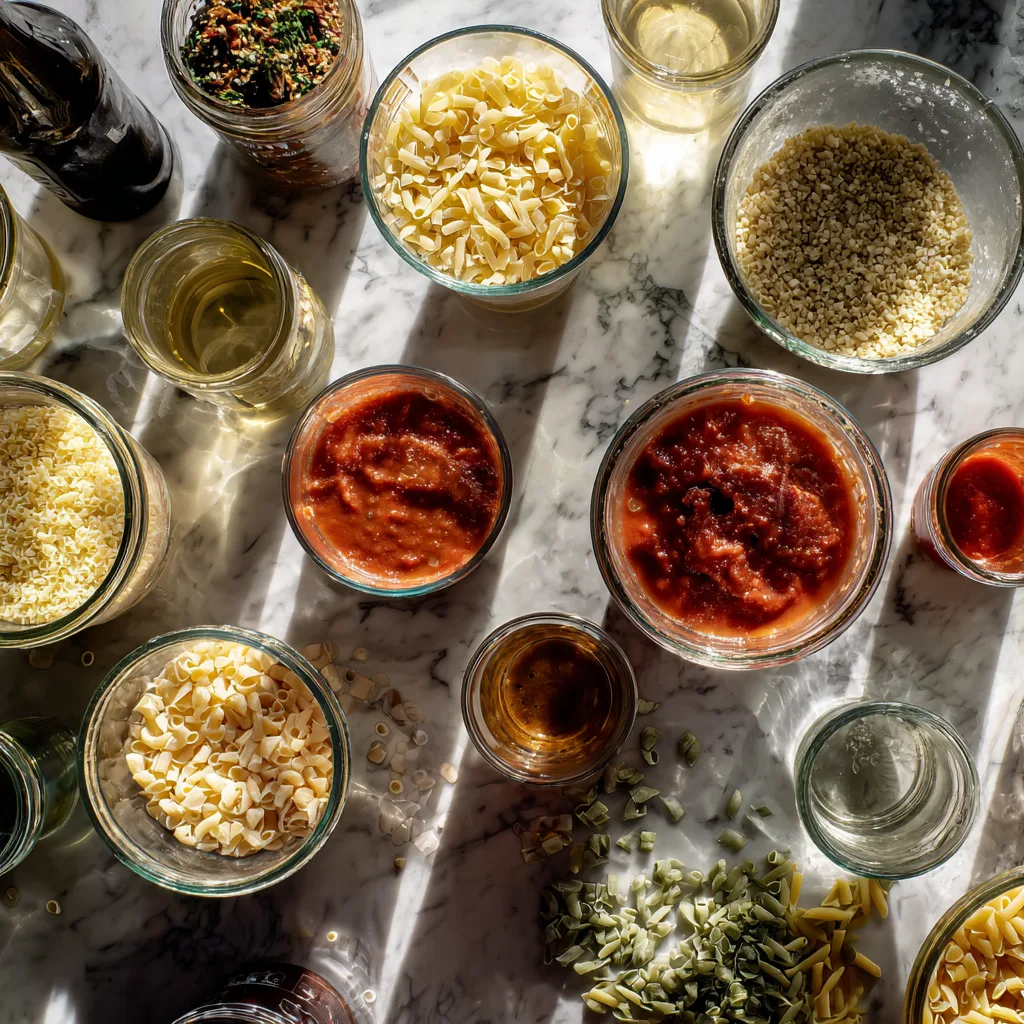
The pastina itself should be of good quality – look for brands that maintain their shape during cooking without becoming mushy. Small star-shaped pastina (stelline) is traditional, but tiny rings (anellini) or small tubes (tubettini) work equally well. The key is choosing pasta small enough to fit comfortably on a spoon alongside the other ingredients.
Fresh vegetables play a crucial role in authentic pastina soup. Carrots add natural sweetness and beautiful color, while celery provides aromatic depth and slight crunch. Onions form the flavor foundation, and many recipes include leafy greens like spinach or escarole for added nutrition and authentic Italian character. Fresh herbs, particularly parsley and basil, brighten the entire dish with their aromatic qualities.
Quality olive oil is non-negotiable in Italian cooking, and pastina soup is no exception. A drizzle of good extra virgin olive oil at the end adds richness and authentic flavor that transforms the entire bowl. Parmigiano-Reggiano cheese, grated fresh, provides the perfect finishing touch with its nutty, complex flavor that complements the simple ingredients beautifully.
Ingredients
- 1 cup small pastina (stelline or anellini)
- 6 cups chicken or vegetable broth
- 2 medium carrots, diced small
- 2 celery stalks, diced small
- 1 small onion, finely chopped
- 3 cloves garlic, minced
- 2 cups fresh spinach, roughly chopped
- 3 tablespoons extra virgin olive oil
- 1/2 cup freshly grated Parmigiano-Reggiano
- 2 tablespoons fresh parsley, chopped
- Salt and freshly ground black pepper to taste
- 1 bay leaf
- 1 tablespoon tomato paste (optional)
- 1/4 cup white wine (optional)
Instructions
- Heat olive oil in a large, heavy-bottomed pot over medium heat. Add diced onion and cook for 3-4 minutes until softened and translucent, stirring occasionally to prevent browning.
- Add minced garlic, diced carrots, and celery to the pot. Cook for 5-6 minutes, stirring frequently, until vegetables begin to soften and release their aromatic oils.
- If using tomato paste, add it now and cook for 1 minute, stirring constantly to prevent burning. The paste should become fragrant and slightly darkened.
- Pour in white wine if using, allowing it to simmer for 2 minutes to cook off the alcohol and concentrate the flavors.
- Add the broth and bay leaf to the pot. Bring mixture to a boil, then reduce heat to maintain a gentle simmer. Cook for 10 minutes to allow flavors to meld together.
- Add the pastina to the simmering broth, stirring gently to prevent sticking. Cook according to package directions, typically 6-8 minutes, until pasta is tender but not mushy.
- Stir in the chopped spinach during the last 2 minutes of cooking, allowing it to wilt completely into the soup.
- Remove bay leaf and season with salt and freshly ground black pepper to taste. The soup should have a slightly thick consistency from the pasta releasing its starches.
- Serve immediately in warmed bowls, topped with freshly grated Parmigiano-Reggiano and chopped parsley. Drizzle with additional olive oil if desired.
Italian Pastina Soup
Ingredients
Equipment
Method
- Heat olive oil in a large pot over medium heat. Add onion and cook 3-4 minutes until softened.
- Add garlic, carrots, and celery. Cook 5-6 minutes, stirring frequently, until vegetables soften.
- Add broth and bay leaf. Bring to boil, then reduce to gentle simmer. Cook 10 minutes.
- Add pastina and cook according to package directions, typically 6-8 minutes, until tender.
- Stir in spinach during last 2 minutes of cooking until wilted.
- Remove bay leaf and season with salt and pepper to taste.
- Serve immediately topped with grated Parmigiano-Reggiano and fresh parsley.
Notes
Mastering the Perfect Pastina Consistency
The key to exceptional pastina soup lies in achieving the perfect consistency – thick enough to be satisfying but not so thick that it becomes porridge-like. This balance comes from understanding how pastina behaves during cooking and how it continues to absorb liquid even after the heat is turned off.
Most pastina varieties will absorb significant amounts of broth during cooking, naturally thickening the soup as starches are released. If your soup becomes too thick, simply add more warm broth until you reach the desired consistency. Conversely, if the soup seems too thin, allow it to simmer uncovered for a few additional minutes to reduce the liquid.
Professional Italian cooks often prepare pastina soup in two stages – cooking the vegetables and broth first, then adding the pastina just before serving. This prevents overcooking and ensures the pasta maintains its texture even if the soup sits for a while. Remember that leftover pastina soup will continue thickening in the refrigerator, so you may need to add broth when reheating.
Creative Variations and Regional Differences
While traditional pastina soup is beloved in its classic form, regional Italian variations offer exciting possibilities for home cooks. In Northern Italy, cooks often add small amounts of cream or butter for richness, while Southern regions might include a touch of red pepper flakes for heat.
Protein additions transform pastina soup into a complete meal – try adding shredded rotisserie chicken, small meatballs, or white beans during the last few minutes of cooking. Seafood variations featuring small shrimp or clams are popular in coastal regions, creating elegant soups perfect for special occasions.
Vegetarian versions can be just as satisfying by using quality vegetable broth and adding protein-rich ingredients like cannellini beans or lentils. Seasonal vegetables keep the soup interesting throughout the year – try asparagus and peas in spring, zucchini and tomatoes in summer, or roasted squash and kale in autumn.
Storing and Reheating Your Pastina Soup
Proper storage ensures your pastina soup maintains its delicious flavor for several days. Allow the soup to cool completely before transferring to airtight containers in the refrigerator, where it will keep for up to four days. The soup will thicken considerably as it cools, which is completely normal.
When reheating pastina soup, add small amounts of broth or water to achieve your desired consistency. Heat gently over medium-low heat, stirring occasionally to prevent sticking. Avoid boiling vigorously, as this can break down the pasta and vegetables.
For longer storage, pastina soup freezes well for up to three months. Consider freezing in individual portions for convenient single servings. Thaw overnight in the refrigerator before reheating, adding liquid as needed to restore the proper consistency.
Nutritional Benefits That Nourish Your Body
Beyond its comfort food qualities, pastina soup provides excellent nutrition that supports overall health and wellness. The combination of vegetables, broth, and pasta creates a well-balanced meal rich in essential nutrients, vitamins, and minerals that your body craves.
The high water content from the broth helps maintain proper hydration, while the vegetables contribute significant amounts of vitamins A and C, folate, and dietary fiber. The pasta provides complex carbohydrates for sustained energy, making this soup an excellent choice for active individuals or growing children.
When prepared with quality chicken broth, pastina soup becomes an excellent source of protein and collagen, supporting joint health and immune function. The anti-inflammatory properties of olive oil and fresh herbs add additional health benefits, making this comfort food as nourishing as it is delicious.
Conclusion: Bringing Italian Tradition to Your Kitchen
Italian pastina soup represents the heart of Italian home cooking – simple ingredients transformed into something extraordinary through technique, tradition, and love. This timeless recipe connects us to generations of Italian families who understood that the best comfort food comes from quality ingredients prepared with care and attention to detail.
Whether you’re serving pastina soup as a starter for an Italian dinner party, preparing a quick weeknight meal for your family, or seeking comfort during challenging times, this versatile dish delivers satisfaction in every spoonful. The beauty lies not just in its delicious taste, but in its ability to bring people together around the dinner table, creating memories that last a lifetime.
Take the time to prepare authentic pastina soup using quality ingredients and traditional techniques – your family and friends will taste the difference, and you’ll understand why this simple soup has remained a beloved staple in Italian kitchens for countless generations.