Korean Potato Cheese Pancakes (Gamjajeon): The Ultimate Crispy Comfort Food Recipe
Korean cuisine has gifted the world with countless delicious dishes, but few are as comforting and universally loved as gamjajeon, also known as Korean potato pancakes. These golden, crispy delights have been a staple in Korean households for generations, traditionally made from simple grated potatoes and pan-fried until perfectly crisp. However, today we’re taking this beloved classic to the next level by adding a generous amount of gooey, melted cheese that transforms these humble potato pancakes into an irresistible treat that will have everyone coming back for seconds. Whether you’re looking for a satisfying snack, a crowd-pleasing appetizer, or a comforting side dish, these Korean potato cheese pancakes are about to become your new obsession.
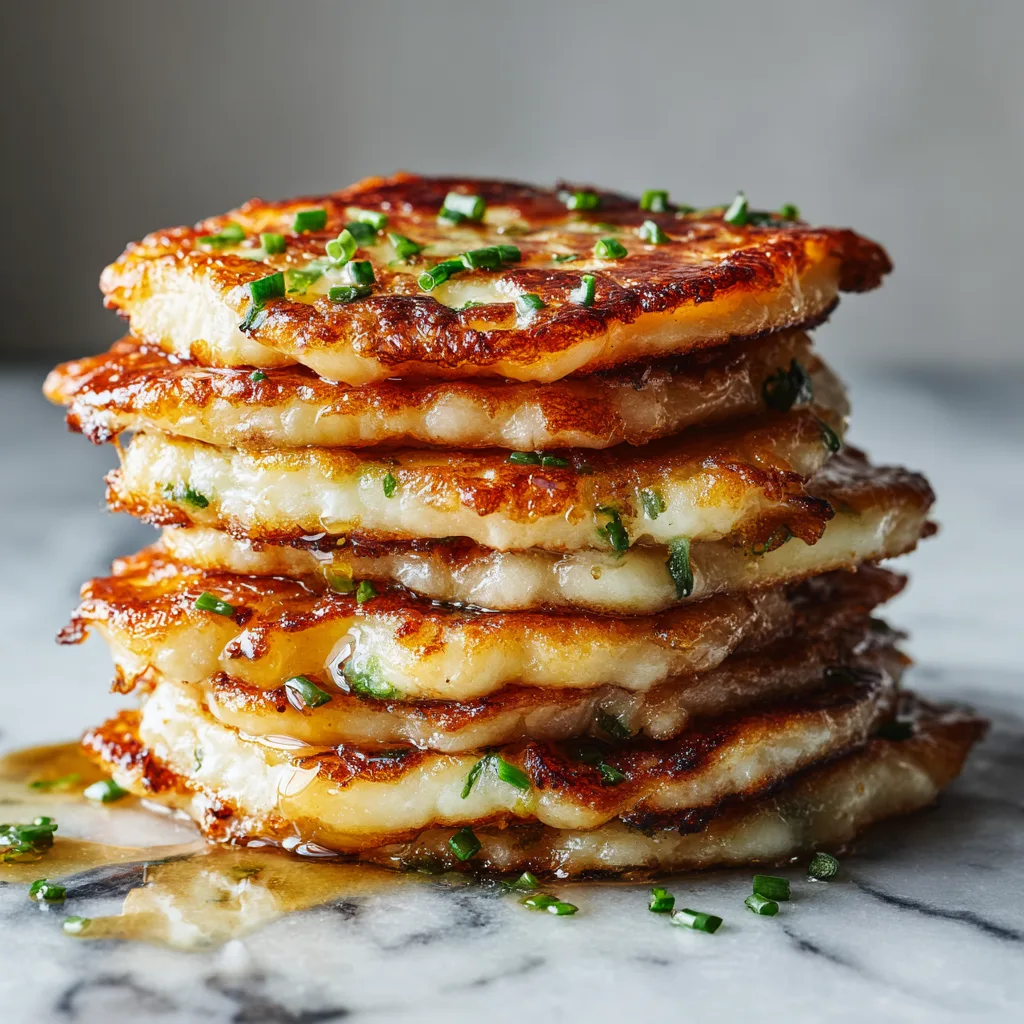
What makes these pancakes truly special is the incredible contrast between the ultra-crispy exterior and the soft, cheesy interior. As you bite through the golden-brown crust, you’re greeted with tender potato goodness and stretchy melted cheese that creates those Instagram-worthy cheese pulls we all love. The addition of fresh scallions provides a subtle oniony flavor and a pop of color that makes these pancakes as beautiful as they are delicious. Unlike regular potato pancakes that can sometimes be dense or heavy, these Korean-style pancakes achieve a perfect balance of textures that makes them absolutely addictive.
The beauty of this recipe lies in its simplicity and versatility. With just a handful of basic ingredients that you probably already have in your kitchen, you can create restaurant-quality potato pancakes right at home. The preparation is straightforward enough for beginners, yet the results are impressive enough to serve at dinner parties or special occasions. These pancakes are also incredibly adaptable – serve them as a snack with your favorite dipping sauce, pair them with a bowl of hot soup for a complete meal, or cut them into smaller pieces for the perfect party appetizer. No matter how you choose to enjoy them, these Korean potato cheese pancakes are guaranteed to satisfy your cravings for something crispy, cheesy, and completely delicious.
Why This Recipe Works: The Science Behind Perfect Gamjajeon
Creating the perfect Korean potato cheese pancakes is all about understanding the science behind achieving that ideal crispy exterior while maintaining a tender, cheesy interior. The key starts with the potato preparation – by grating the potatoes rather than chopping them, we create maximum surface area that allows for better binding and crispier edges. The starch released from the grated potatoes acts as a natural binding agent, eliminating the need for excessive flour or eggs that could make the pancakes heavy or doughy. When these starches hit the hot oil in the pan, they undergo a process called the Maillard reaction, which creates that gorgeous golden-brown color and develops deep, complex flavors that make these pancakes so irresistible.
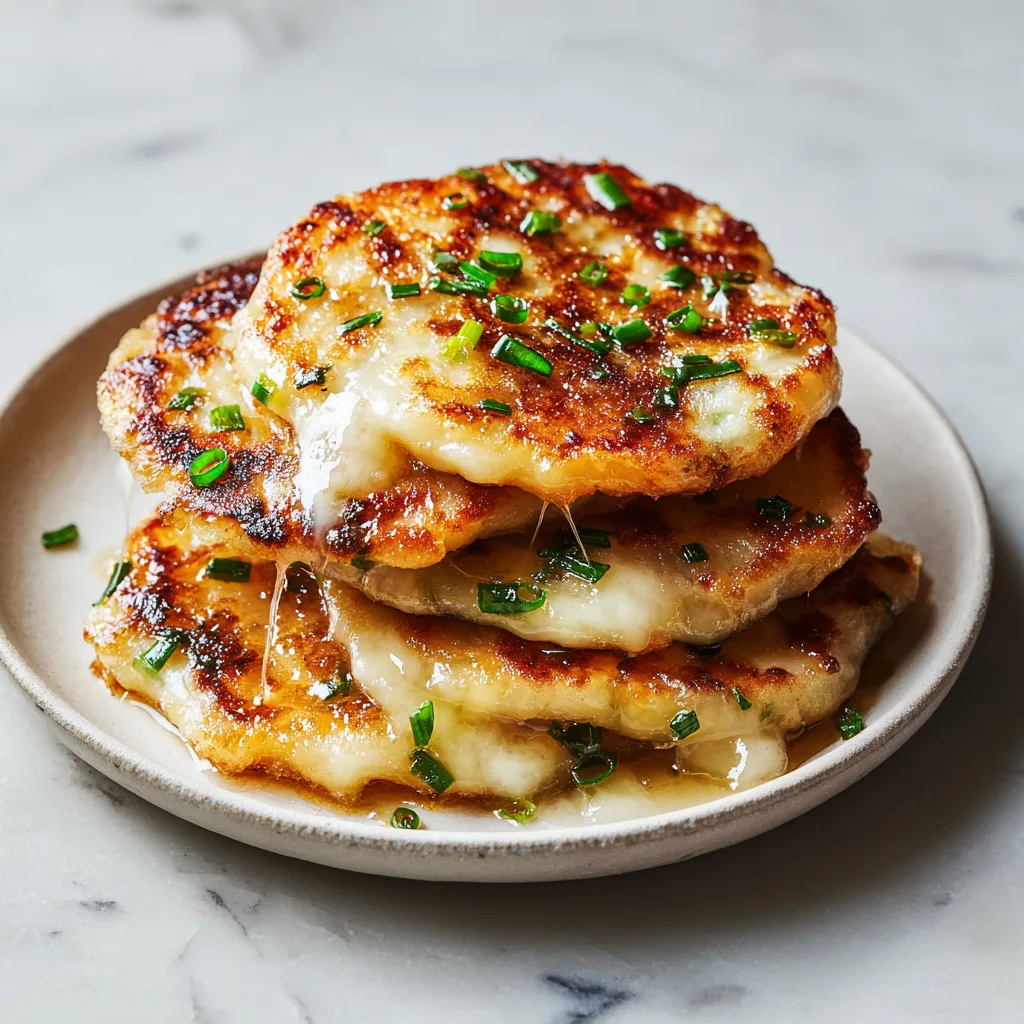
The cheese addition might seem simple, but it serves multiple purposes beyond just adding flavor. The moisture from the melting cheese helps keep the interior of the pancakes tender and prevents them from becoming dry or tough. The proteins in the cheese also contribute to the overall structure of the pancakes, creating a satisfying chewiness that contrasts beautifully with the crispy exterior. By using mozzarella cheese, we ensure long, stretchy cheese pulls that make these pancakes visually stunning while providing a mild, creamy flavor that doesn’t overpower the natural taste of the potatoes.
The cooking technique is equally important in achieving pancake perfection. By using medium-high heat and enough oil to create shallow frying conditions, we ensure that the exterior becomes crispy and golden while the interior has time to cook through completely. The oil temperature is crucial – too hot and the outside burns before the inside cooks; too cool and the pancakes absorb excess oil and become greasy. Pressing the pancakes slightly with a spatula during cooking helps create more surface contact with the pan, resulting in more crispy areas and better browning. This traditional Korean cooking method has been perfected over generations and ensures consistent, delicious results every single time.
Ingredients
Cookie Batter:
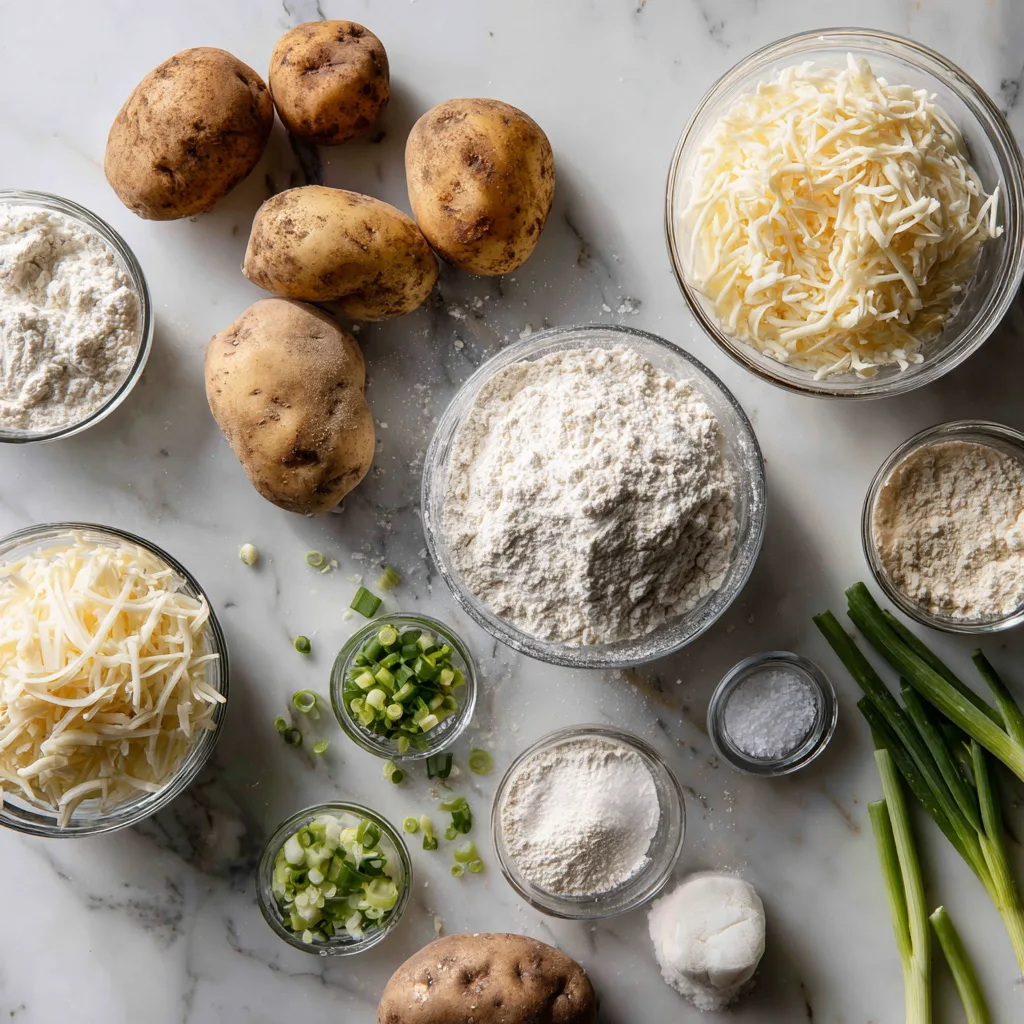
- 4 large russet potatoes, peeled and grated
- 1 cup shredded mozzarella cheese
- 3 tablespoons all-purpose flour
- 2 green scallions, finely chopped
- 1 teaspoon salt
- 1/2 teaspoon black pepper
- 1/4 teaspoon garlic powder
- 3-4 tablespoons vegetable oil for frying
Instructions
- Peel the russet potatoes and grate them using the large holes of a box grater or food processor, then place the grated potatoes in a clean kitchen towel and squeeze firmly to remove as much excess moisture as possible, which is crucial for achieving crispy pancakes.
- Transfer the drained grated potatoes to a large mixing bowl and add the shredded mozzarella cheese, all-purpose flour, finely chopped scallions, salt, black pepper, and garlic powder, then mix everything together thoroughly until all ingredients are evenly distributed throughout the potato mixture.
- Heat a large non-stick skillet or frying pan over medium-high heat and add two tablespoons of vegetable oil, swirling to coat the bottom of the pan evenly and allowing the oil to heat until it shimmers slightly.
- Scoop about one-quarter cup of the potato mixture and place it in the hot pan, then use the back of a spatula to flatten and spread it into a circular pancake shape approximately four inches in diameter and half an inch thick.
- Cook the pancakes for four to five minutes on the first side without moving them, allowing a golden-brown crust to form, then carefully flip using a wide spatula and cook for another four to five minutes on the second side until equally crispy and golden.
- Press down gently on the pancakes with the spatula during cooking to ensure even contact with the pan and maximum crispiness, adding more oil to the pan between batches as needed to prevent sticking.
- Transfer the cooked pancakes to a paper towel-lined plate to drain any excess oil briefly, then move them to a serving platter while you continue cooking the remaining batches.
- Serve the pancakes immediately while still hot and crispy, garnished with additional chopped scallions if desired, alongside your favorite dipping sauce such as soy sauce, spicy gochujang sauce, or sour cream.
Korean Potato Cheese Pancakes (Gamjajeon)
Ingredients
Equipment
Method
- Peel and shred the potatoes using a box grater or food processor. Immediately transfer to a bowl of cold water to prevent browning.
- Drain the shredded potatoes thoroughly using a fine-mesh strainer, then squeeze out excess moisture using kitchen towels or cheesecloth.
- In a large bowl, combine dried potato shreds with eggs, cornstarch, minced garlic, soy sauce, salt, and black pepper. Mix well.
- Fold in half of the shredded cheese and chopped scallions, reserving the rest for topping.
- Heat a non-stick skillet or cast iron pan over medium-high heat with a thin layer of vegetable oil.
- Scoop about 1/3 cup of potato mixture per pancake into the hot pan, pressing flat with a spatula to create uniform thickness.
- Cook undisturbed for 4-5 minutes until the bottom is deep golden-brown and crispy.
- Flip carefully, sprinkle reserved cheese and scallions on the cooked side, and cook for another 3-4 minutes.
- Transfer to a paper towel-lined plate briefly, then move to a serving platter.
- Sprinkle sesame seeds over finished pancakes and serve immediately while hot and crispy.
- Repeat with remaining batter, adding more oil to the pan between batches as needed.
Notes
Pro Tips for Restaurant-Quality Gamjajeon at Home
Mastering the art of Korean potato cheese pancakes requires attention to a few key details that separate good pancakes from truly exceptional ones. First and foremost, removing moisture from the grated potatoes is absolutely critical and cannot be skipped. Raw potatoes contain a significant amount of water that will prevent your pancakes from achieving that coveted crispy texture if not properly removed. After grating, place the potatoes in a clean kitchen towel or several layers of cheesecloth and squeeze as hard as you can over the sink. You’ll be surprised at how much liquid comes out – this step alone can make or break your pancakes.
Another professional secret is to work quickly once you’ve grated the potatoes. Potatoes naturally oxidize when exposed to air, turning brown and developing an off-flavor. While this doesn’t affect the safety of the dish, it can impact the color and taste of your finished pancakes. If you need to prepare the potatoes ahead of time, you can submerge them in cold water to prevent oxidation, but remember to drain and squeeze them thoroughly before mixing with the other ingredients. Some cooks prefer to add the flour immediately after grating to help absorb moisture and prevent browning.
The type of cheese you use can significantly impact your results. While mozzarella is the traditional choice for these Korean-style pancakes due to its excellent melting properties and mild flavor, feel free to experiment with other cheeses based on your preferences. Cheddar cheese will provide a sharper, more pronounced flavor and a beautiful orange color, while Monterey Jack offers a creamy texture similar to mozzarella with a slightly different taste profile. For the ultimate indulgence, try using a combination of mozzarella and Parmesan for added depth of flavor. Just remember that harder cheeses like Parmesan don’t melt and stretch as well, so they’re best used in combination with softer melting cheeses.
Temperature control is perhaps the most challenging aspect of making perfect potato pancakes, but it’s also one of the most important. The oil needs to be hot enough to create immediate sizzling when the potato mixture hits the pan, but not so hot that the exterior burns before the interior cooks through. A good test is to drop a small piece of potato into the oil – it should sizzle actively but not violently. If you notice the pancakes browning too quickly, reduce the heat slightly. Conversely, if they’re sitting in the oil without much sizzling and starting to look greasy, increase the heat. Finding that sweet spot may take a batch or two, but once you’ve got it, you’ll achieve consistent results every time.
Serving Suggestions and Flavor Variations to Try
Korean potato cheese pancakes are incredibly versatile and can be served in numerous ways to suit different occasions and preferences. Traditionally, gamjajeon is served as a side dish or appetizer with a simple dipping sauce made from soy sauce, rice vinegar, and a touch of sesame oil. However, these cheese-enhanced pancakes are substantial enough to serve as a main course when paired with a fresh salad or bowl of soup. For a complete Korean-inspired meal, serve them alongside kimchi, pickled radishes, and steamed rice for a satisfying feast that showcases the best of Korean comfort food.
The dipping sauce you choose can dramatically change the flavor profile of these pancakes. A classic Korean dipping sauce combines equal parts soy sauce and rice vinegar with a splash of sesame oil, minced garlic, and a sprinkle of toasted sesame seeds. For those who enjoy spicy food, adding a spoonful of gochugaru (Korean red pepper flakes) or gochujang (Korean chili paste) creates a fiery kick that complements the mild potato and cheese beautifully. If you prefer Western-style flavors, these pancakes are equally delicious with sour cream, ranch dressing, or even ketchup – there’s no wrong way to enjoy them.
Don’t be afraid to customize the pancakes themselves by adding different ingredients to the base mixture. Finely diced onions, bell peppers, or carrots can add extra vegetables and nutrition while creating interesting texture and flavor variations. For a protein boost, try mixing in cooked bacon bits, diced ham, or crumbled cooked sausage. Korean cooks sometimes add a small amount of minced kimchi to the potato mixture for an extra punch of flavor and probiotic benefits. Each variation creates a unique twist on the classic recipe while maintaining the essential crispy-creamy contrast that makes these pancakes so addictive.
These pancakes also make fantastic leftovers, though they’re best enjoyed fresh from the pan when the exterior is at its crispiest. If you have leftovers, store them in an airtight container in the refrigerator for up to three days. To reheat, avoid the microwave which will make them soggy – instead, pop them in a preheated oven at 375 degrees Fahrenheit for about ten minutes, or reheat them in a dry skillet over medium heat until warmed through and crispy again. You can even freeze cooked pancakes between layers of parchment paper for up to three months, then reheat directly from frozen in the oven for a quick and satisfying snack anytime.
The Cultural Significance of Gamjajeon in Korean Cuisine
Understanding the cultural context of gamjajeon helps us appreciate these delicious pancakes beyond just their taste. In Korean cuisine, pancakes or “jeon” represent an entire category of foods that are pan-fried and served on various occasions. Gamjajeon specifically holds a special place as a comfort food that reminds many Koreans of home cooking and childhood memories. Traditionally made during rainy days or as an accompaniment to makgeolli (Korean rice wine), these potato pancakes represent the Korean philosophy of creating something delicious and satisfying from humble, everyday ingredients.
The addition of cheese to traditional gamjajeon represents a modern fusion that has become increasingly popular in contemporary Korean cooking. While purists might argue that authentic gamjajeon doesn’t contain cheese, this adaptation demonstrates the evolving nature of Korean cuisine and its willingness to embrace new ingredients and techniques. The cheese-filled version has become particularly popular among younger generations and has helped introduce this traditional dish to international audiences who might not be familiar with Korean food. This cultural exchange and evolution of recipes is what keeps cuisines alive and relevant across generations.
In Korean households, making jeon is often a communal activity that brings families together in the kitchen. The process of preparing ingredients, mixing the batter, and taking turns at the stove creates opportunities for conversation and bonding. Grandmothers pass down their techniques to younger generations, ensuring that these traditional cooking methods continue. By making these Korean potato cheese pancakes at home, you’re not just preparing a meal – you’re participating in a cultural tradition that has nourished families and communities for centuries. The simplicity of the dish belies its importance in Korean culinary heritage and its role in creating connections between people.
Common Mistakes to Avoid When Making Potato Pancakes
Even with a straightforward recipe like Korean potato cheese pancakes, there are several common pitfalls that can prevent you from achieving perfect results. The most frequent mistake is not removing enough moisture from the grated potatoes. Many home cooks give the potatoes a cursory squeeze and think it’s sufficient, but you really need to wring them out thoroughly until almost no liquid comes out. This moisture is the enemy of crispiness – leave it in and you’ll end up with soggy, limp pancakes that fall apart in the pan. Take the extra time to really squeeze those potatoes dry, and your results will improve dramatically.
Another common error is making the pancakes too thick. While it might be tempting to create thick, hearty pancakes, thinner pancakes cook more evenly and achieve better crispiness on both sides. If your pancakes are too thick, the outside will burn before the inside cooks through, or you’ll end up with a crispy exterior and an undercooked, gummy interior. Aim for pancakes that are about half an inch thick or slightly less – this allows for even cooking and creates more surface area for that delicious crispy crust. Use your spatula to press down and flatten the pancakes when you first place them in the pan to achieve the ideal thickness.
Using too little oil is another mistake that leads to disappointing results. These pancakes need to be shallow-fried rather than simply pan-fried with a light coating of oil. Skimping on the oil will cause the pancakes to stick to the pan and prevent proper browning. Don’t be afraid to use a generous amount of oil – you can always drain the cooked pancakes on paper towels to remove any excess. The oil should come about halfway up the sides of the pancakes when they’re in the pan. Between batches, make sure to add more oil as needed to maintain this level and ensure consistent results throughout cooking.
Finally, many people make the mistake of flipping the pancakes too early or too frequently. Patience is key when making these potato pancakes. Let them cook undisturbed for several minutes until a proper crust forms on the bottom. You’ll know they’re ready to flip when the edges start to look golden and crispy, and the pancake releases easily from the pan when you slide a spatula underneath. Flip only once during cooking – constantly flipping back and forth will prevent proper crust formation and can cause the pancakes to break apart. Trust the process, resist the urge to peek too often, and you’ll be rewarded with perfectly crispy, golden-brown pancakes.
Health Benefits and Nutritional Considerations
While Korean potato cheese pancakes are undeniably an indulgent treat, they do offer some nutritional benefits worth noting. Potatoes are an excellent source of complex carbohydrates that provide sustained energy throughout the day. They’re also surprisingly rich in vitamin C, vitamin B6, and potassium, with a medium potato containing more potassium than a banana. The resistant starch found in cooked and cooled potatoes has been shown to support gut health and may help regulate blood sugar levels. By using fresh potatoes rather than processed potato products, you’re getting all these nutritional benefits along with dietary fiber that aids digestion.
The cheese in these pancakes contributes protein and calcium, both essential nutrients for maintaining strong bones and muscles. Mozzarella cheese is relatively low in sodium compared to many other cheese varieties and provides a good amount of phosphorus, which works together with calcium to build healthy bones. The protein content also helps make these pancakes more satisfying and filling, preventing overeating and supporting muscle maintenance and growth. While cheese does contain saturated fat, moderate consumption as part of a balanced diet can fit into a healthy eating pattern.
For those concerned about the oil content from frying, there are ways to make these pancakes slightly lighter without sacrificing too much of their signature crispiness. Using a non-stick pan allows you to reduce the amount of oil needed somewhat, though you’ll still need enough for proper shallow frying. You can also try baking the pancakes in a hot oven on a well-oiled baking sheet, though the texture won’t be quite as crispy as the traditional pan-fried version. Another option is to use an air fryer, which can create a crispy exterior with significantly less oil – just brush the pancakes lightly with oil before air frying at 375 degrees Fahrenheit for about fifteen minutes, flipping halfway through.
To make these pancakes even more nutritious, consider adding extra vegetables to the mixture. Grated zucchini or carrots blend seamlessly with the potatoes while adding extra vitamins, minerals, and fiber. You can replace up to half of the potato with these alternative vegetables without significantly affecting the texture or cooking method. Adding more scallions or including other herbs like cilantro or parsley boosts the antioxidant content and adds fresh, bright flavors. While these pancakes will always be a treat rather than a diet food, these modifications allow you to enjoy them more frequently as part of a balanced, healthy lifestyle.
Conclusion: Bringing Korean Comfort Food to Your Kitchen
Korean potato cheese pancakes represent the best of what comfort food should be – simple to make, incredibly satisfying, and capable of bringing joy to everyone who tries them. This recipe takes a beloved traditional dish and adds a modern twist that makes it even more irresistible without complicating the preparation. Whether you’re new to Korean cooking or a seasoned pro, these pancakes offer an accessible entry point into the wonderful world of Korean cuisine that will have you coming back to make them again and again.
The beauty of this recipe lies not just in its delicious results, but in its versatility and adaptability. You can make these pancakes exactly as written for perfect results, or use the techniques you’ve learned to create your own unique variations. Serve them as a snack, appetizer, side dish, or main course. Enjoy them hot from the pan or save them for later. Stick with traditional dipping sauces or experiment with your own favorite condiments. However you choose to make and serve these Korean potato cheese pancakes, you’re participating in a culinary tradition that spans generations while creating new memories and traditions of your own. So heat up that skillet, grate those potatoes, and get ready to experience the crispy, cheesy, utterly addictive pleasure of homemade gamjajeon.