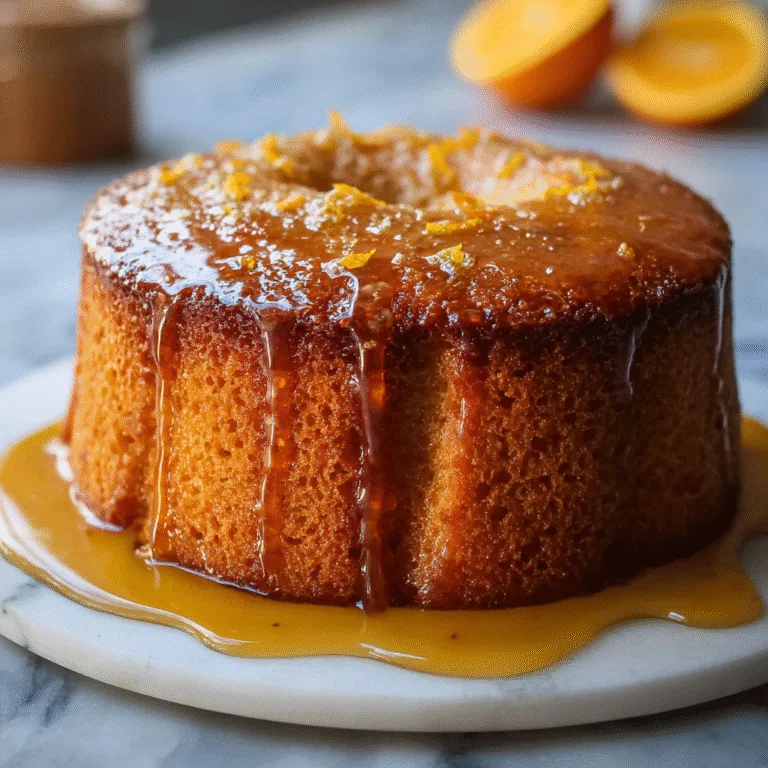
Old-Fashioned Orange Candy Recipe: A Sweet Journey Back in Time 🍊
There’s something truly magical about the art of candy making, especially when it comes to creating those beloved old-fashioned orange candies that transport us straight back to childhood memories. This traditional orange candy recipe captures the essence of bygone eras when confections were crafted with love, patience, and simple ingredients that delivered extraordinary flavors.
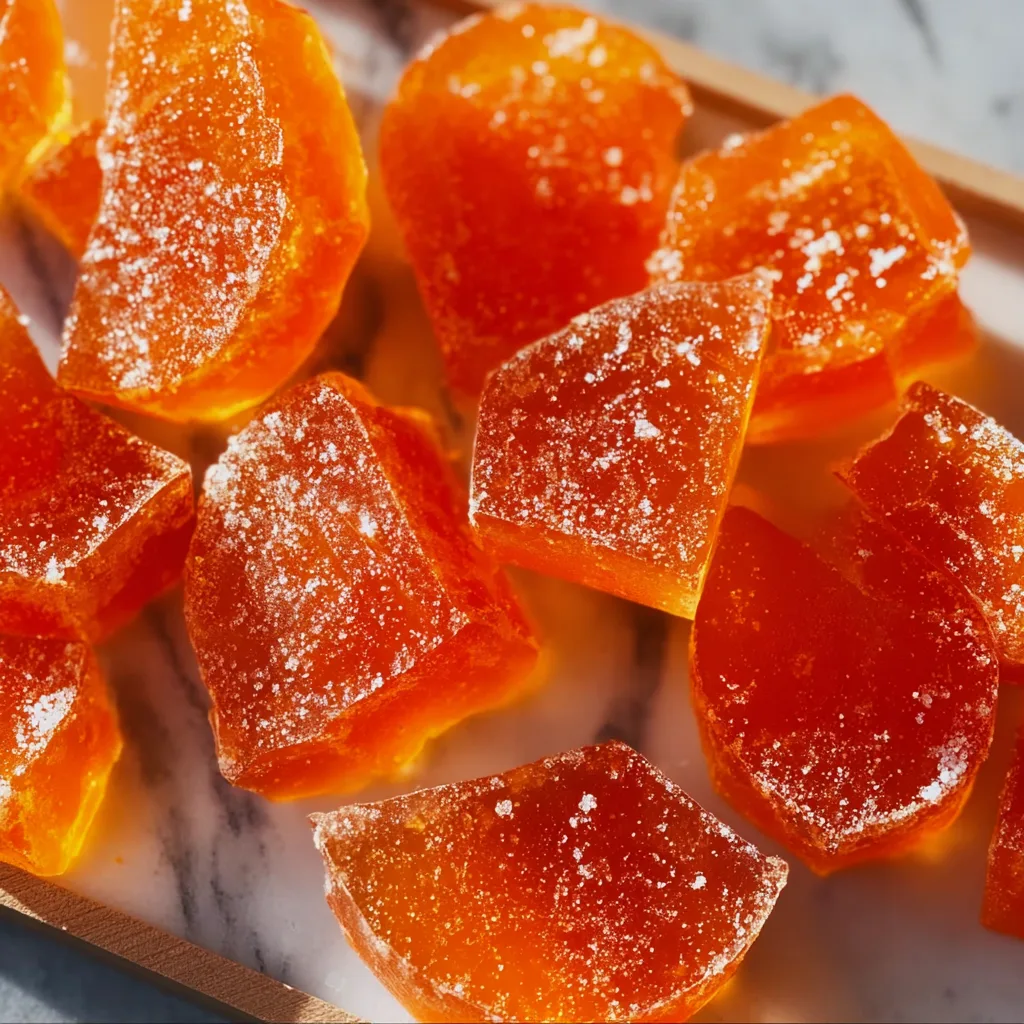
The beauty of old-fashioned orange candy lies in its simplicity and the incredible satisfaction that comes from creating these translucent, amber-colored gems in your own kitchen. Unlike modern commercial candies loaded with artificial additives, this traditional recipe relies on pure ingredients that have been cherished for generations, delivering an authentic taste experience that’s both nostalgic and delightfully refreshing.
The Heritage Behind Old-Fashioned Orange Candy Making
Candy making has been an integral part of culinary traditions for centuries, with orange-flavored confections holding a special place in the hearts of sweet enthusiasts worldwide. The art of creating hard candies dates back to ancient civilizations, where sugar was considered a precious commodity and candy making was reserved for special occasions and celebrations.
Old-fashioned orange candy represents more than just a sweet treat; it embodies the spirit of traditional home confectionery where families would gather in kitchens to create these delightful morsels together. The process itself becomes a meditative experience, requiring careful attention to temperature, timing, and technique that has been passed down through generations of candy makers.
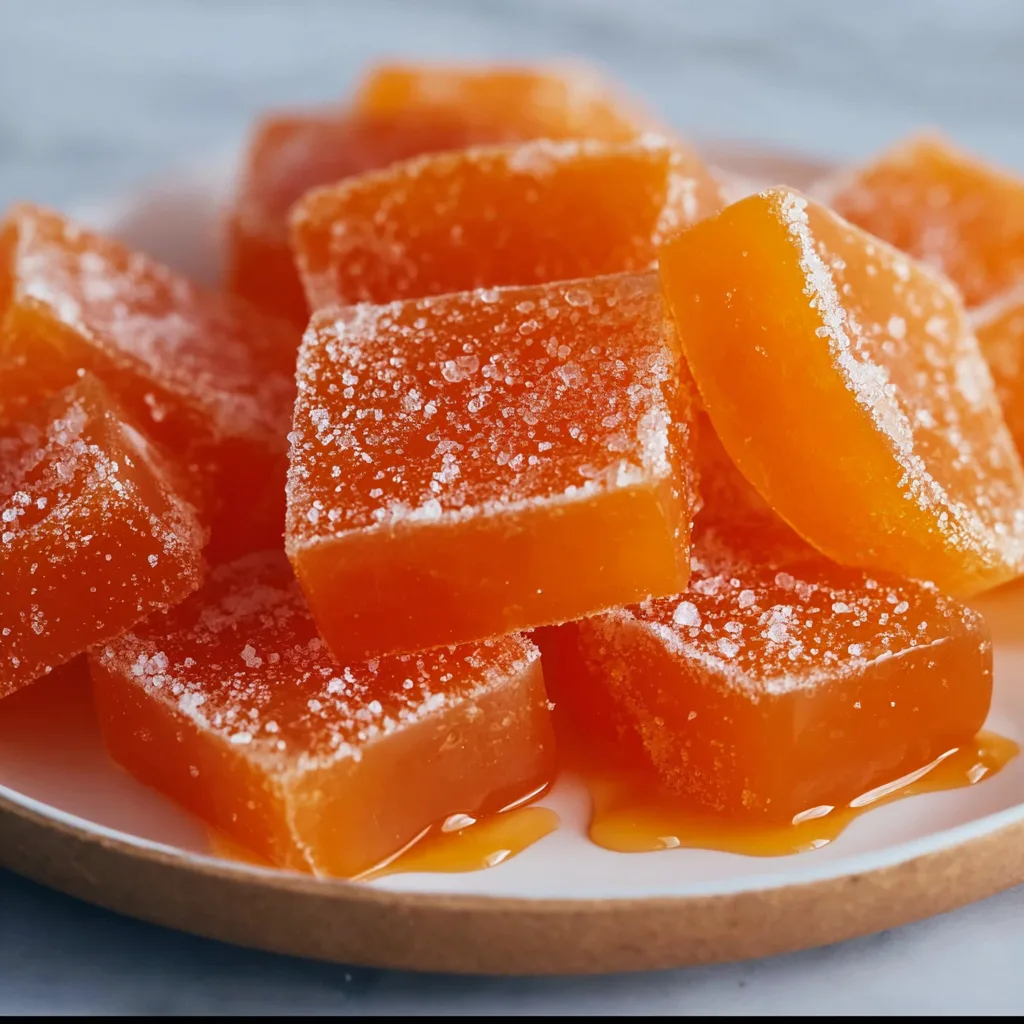
The distinctive clear orange appearance and intense citrus flavor profile make these candies instantly recognizable and incredibly satisfying. Each piece delivers a burst of concentrated orange essence that awakens the senses and provides a momentary escape to simpler times when candy making was an art form practiced in homes across the country.
Essential Ingredients for Authentic Orange Candy Success
Creating perfect old-fashioned orange candy requires understanding the role each ingredient plays in achieving that ideal texture, flavor, and appearance that defines this classic confection. The ingredient list may be simple, but each component is crucial for success.
Granulated sugar forms the foundation of your candy, providing the structure and sweetness that defines hard candy. The quality of sugar directly impacts the final clarity and texture of your finished product, so choosing pure, fine granulated sugar ensures optimal results.
Corn syrup serves as the binding agent that prevents crystallization and creates that smooth, glass-like texture characteristic of traditional hard candies. This ingredient is essential for achieving the proper consistency and preventing unwanted sugar crystals from forming during the cooking process.
Orange extract delivers the concentrated citrus flavor that makes these candies so irresistible. Pure orange extract provides superior flavor compared to artificial alternatives, creating that authentic taste experience that defines quality homemade confections.
Water acts as the medium that dissolves the sugar and allows for proper temperature control during the cooking process. The amount of water affects cooking time and final texture, making precise measurement crucial for consistent results.
Orange food coloring, while optional, provides that distinctive amber hue that makes these candies visually appealing and instantly recognizable as orange-flavored treats.
Ingredients
- 2 cups granulated sugar
- 1/2 cup light corn syrup
- 1/4 cup water
- 1-2 teaspoons orange extract
- Orange food coloring (optional)
- Powdered sugar for dusting

Professional Techniques for Perfect Candy Making
Mastering the art of old-fashioned orange candy requires understanding fundamental candy making principles that ensure consistent, professional-quality results every time. Temperature control represents the most critical aspect of successful hard candy creation, requiring careful monitoring and precise timing.
The candy thermometer becomes your most valuable tool, allowing you to track the temperature progression through various stages of sugar cooking. Understanding these stages helps you recognize when your candy mixture has reached the perfect consistency for pouring and setting.
Preparation plays a crucial role in candy making success, as the process moves quickly once the sugar mixture reaches proper temperature. Having all equipment ready, molds prepared, and workspace organized prevents rushing and potential mistakes during critical moments.
Timing coordination ensures smooth execution from start to finish, as candy making requires continuous attention and quick decision making. Understanding the visual cues that accompany temperature changes helps you anticipate each stage and prepare accordingly.
Safety considerations cannot be overlooked when working with hot sugar mixtures, as temperatures can exceed 300 degrees Fahrenheit. Proper protective equipment and safe handling techniques prevent accidents and ensure enjoyable candy making experiences.
Old-Fashioned Orange Candy
Ingredients
Equipment
Method
- Prepare candy molds or a greased baking sheet lined with parchment paper. Dust lightly with powdered sugar.
- In a heavy-bottomed saucepan, combine granulated sugar, corn syrup, and water. Stir gently to combine ingredients evenly.
- Attach candy thermometer to the side of the saucepan, ensuring the bulb doesn’t touch the bottom of the pan.
- Place saucepan over medium-high heat and bring mixture to a boil without stirring. Allow mixture to cook undisturbed.
- Continue cooking until thermometer reads 300°F (150°C) – the hard crack stage. This typically takes 15-20 minutes.
- Remove from heat immediately and let bubbling subside for about 30 seconds.
- Quickly stir in orange extract and food coloring if using. Work rapidly as mixture begins setting quickly.
- Pour hot candy mixture into prepared molds or onto prepared baking sheet, working swiftly to avoid premature setting.
- Allow candies to cool completely at room temperature for 30-45 minutes until fully hardened.
- Remove candies from molds or break sheet candy into desired pieces. Store in airtight containers.
Notes
Instructions
- Prepare candy molds or a greased baking sheet lined with parchment paper. Dust lightly with powdered sugar.
- In a heavy-bottomed saucepan, combine granulated sugar, corn syrup, and water. Stir gently to combine ingredients evenly.
- Attach candy thermometer to the side of the saucepan, ensuring the bulb doesn’t touch the bottom of the pan.
- Place saucepan over medium-high heat and bring mixture to a boil without stirring. Allow mixture to cook undisturbed.
- Continue cooking until thermometer reads 300°F (150°C) – the hard crack stage. This typically takes 15-20 minutes.
- Remove from heat immediately and let bubbling subside for about 30 seconds.
- Quickly stir in orange extract and food coloring if using. Work rapidly as mixture begins setting quickly.
- Pour hot candy mixture into prepared molds or onto prepared baking sheet, working swiftly to avoid premature setting.
- Allow candies to cool completely at room temperature for 30-45 minutes until fully hardened.
- Remove candies from molds or break sheet candy into desired pieces. Store in airtight containers.
Mastering Temperature Control and Timing
Temperature precision separates amateur attempts from professional-quality results when creating old-fashioned orange candy. Understanding the hard crack stage at 300-310°F ensures your candies achieve that perfect brittle texture that shatters cleanly between teeth while delivering intense orange flavor.
Visual cues complement thermometer readings, helping you recognize when sugar mixtures approach critical temperatures. The mixture transforms from clear liquid to light golden syrup, eventually reaching that perfect amber clarity that indicates readiness for flavoring and pouring.
Cooling management affects final texture and appearance significantly. Rapid cooling in refrigerated environments can cause stress fractures, while extremely slow cooling may result in unwanted crystallization. Room temperature cooling provides optimal results for most home candy makers.
Humidity considerations impact candy making success dramatically, as moisture in the air can prevent proper setting and create sticky surfaces. Ideal candy making conditions include low humidity environments that allow sugars to set properly and maintain their crisp texture.
Storage timing affects long-term quality, as freshly made candies benefit from brief aging periods that allow flavors to fully develop and textures to stabilize before packaging or serving.
Troubleshooting Common Orange Candy Challenges
Even experienced candy makers encounter occasional challenges when creating old-fashioned orange candy, but understanding common issues and their solutions ensures consistent success with every batch. Crystallization represents the most frequent problem, occurring when sugar molecules reorganize into unwanted crystal structures instead of maintaining smooth, glass-like consistency.
Preventing crystallization requires avoiding stirring once the mixture begins boiling and ensuring all sugar crystals dissolve completely during initial heating. Corn syrup acts as a crystallization inhibitor, but proper ratios and techniques remain essential for optimal results.
Temperature fluctuations can create texture inconsistencies, resulting in candies that are either too soft or excessively brittle. Maintaining steady heat levels and accurate temperature monitoring prevents these issues and ensures uniform results throughout each batch.
Color variations may occur due to overcooking, inadequate mixing, or low-quality ingredients. Understanding how ingredients interact and following precise timing guidelines helps achieve consistent coloration and visual appeal.
Flavor intensity problems usually stem from adding extracts at incorrect temperatures or using insufficient quantities. Adding extracts after removing from heat preserves volatile flavor compounds and prevents evaporation that diminishes taste impact.
Creative Variations and Flavor Combinations
Traditional old-fashioned orange candy serves as an excellent foundation for creative experimentation, allowing adventurous candy makers to explore unique flavor combinations and presentation styles. Citrus variations using lemon, lime, or grapefruit extracts create exciting alternatives while maintaining the classic hard candy format.
Spice additions such as cinnamon, clove, or ginger complement orange flavors beautifully, creating warming winter variations perfect for holiday celebrations. These spice combinations evoke memories of traditional holiday treats and add complexity to the basic orange profile.
Herb infusions using fresh mint, rosemary, or thyme create sophisticated flavor profiles that appeal to adult palates while maintaining the nostalgic appeal of traditional candy making. These combinations work particularly well for special occasions or gift giving.
Layering techniques allow creative candy makers to combine multiple flavors or colors within single pieces, creating visually striking confections that deliver complex taste experiences. These advanced techniques require practice but produce impressive results.
Texture modifications using different cooling methods or ingredient additions can create unique variations such as slightly chewy centers or crystallized surfaces that add interest and variety to traditional hard candy formats.
Conclusion: Preserving Sweet Traditions in Modern Kitchens
Creating old-fashioned orange candy connects us to generations of home confectioners who understood the profound satisfaction of crafting something beautiful and delicious from simple ingredients. This timeless recipe represents more than just candy making; it embodies the spirit of traditional food crafts that bring families together and create lasting memories.
The skills developed through candy making extend far beyond creating sweet treats, teaching patience, precision, and appreciation for traditional techniques that have sustained culinary cultures for centuries. Each successful batch builds confidence and encourages further exploration into the wonderful world of homemade confections.
Whether you’re seeking to recreate childhood memories, explore new culinary skills, or simply enjoy the meditative process of candy making, this old-fashioned orange candy recipe provides the perfect starting point for your confectionery journey. The combination of simple ingredients, traditional techniques, and careful attention to detail results in candies that rival any commercial confection while providing the incomparable satisfaction of homemade excellence.