Philly Cheesesteak Pasta: The Ultimate Comfort Food Fusion
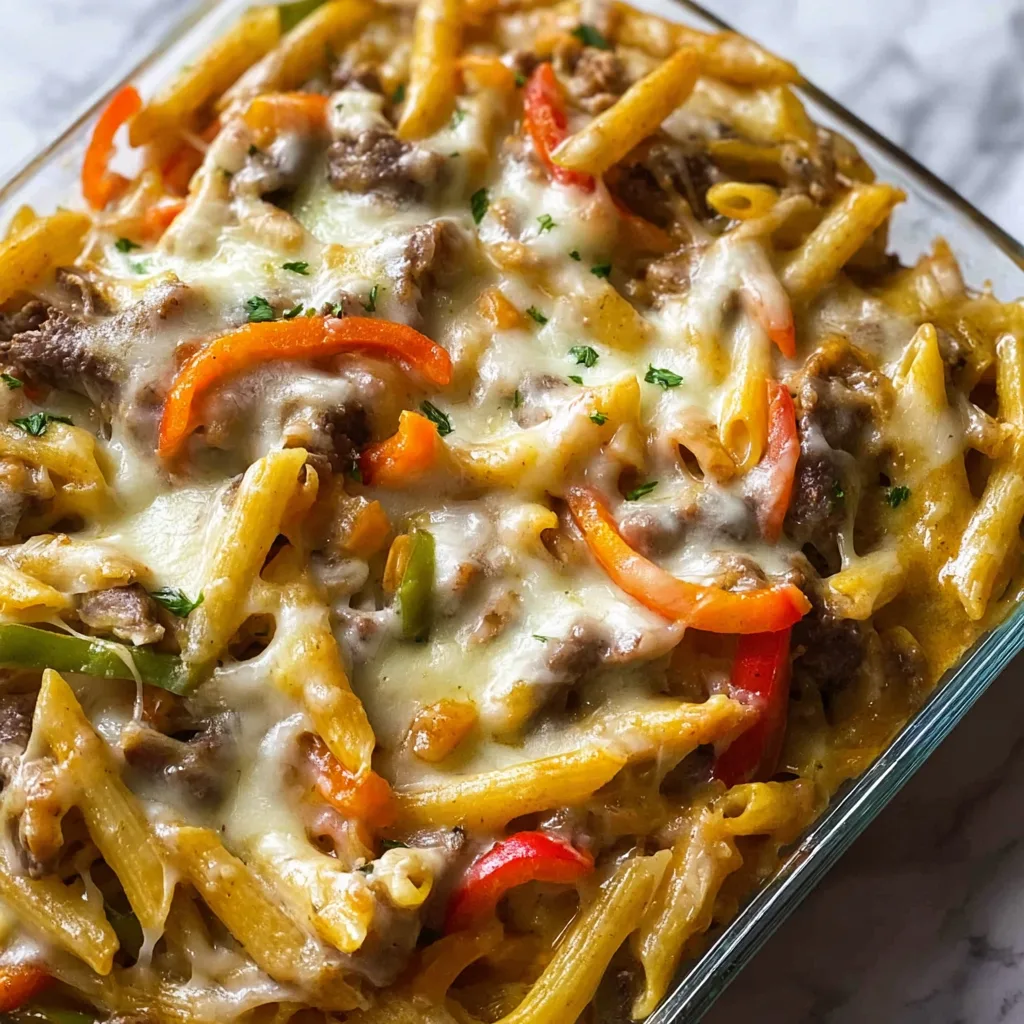
Transform the iconic flavors of Philadelphia’s most famous sandwich into a hearty, satisfying pasta dish that brings together tender steak, caramelized onions, colorful bell peppers, and an irresistibly creamy cheese sauce. This Philly cheesesteak pasta recipe delivers all the beloved tastes of the classic sandwich in a convenient, family-friendly format that’s perfect for busy weeknight dinners or casual weekend gatherings.
The beauty of this fusion dish lies in its ability to capture the essence of an authentic Philly cheesesteak while adapting it to the comfort and convenience of pasta. Every forkful delivers the perfect combination of al dente penne pasta, succulent strips of seasoned beef, sweet caramelized onions, and vibrant bell peppers, all enveloped in a rich, gooey cheese sauce that rivals any sandwich shop creation.
The Magic Behind the Perfect Cheesesteak Pasta
Creating exceptional cheesesteak pasta requires understanding the fundamental elements that make the original sandwich so irresistible. The key lies in achieving the perfect balance of textures and flavors while ensuring each component maintains its distinct character within the unified dish.
The foundation begins with selecting the right pasta shape. Penne pasta works exceptionally well because its tubular structure captures the creamy cheese sauce while providing the ideal vessel for holding pieces of tender steak and vegetables. The hollow tubes create perfect pockets that allow every bite to deliver the full spectrum of flavors.
Quality ingredients make an enormous difference in the final result. Fresh ribeye steak, thinly sliced against the grain, provides the authentic taste and texture that distinguishes this dish from ordinary pasta preparations. The meat should be cooked quickly over high heat to develop a beautiful caramelized exterior while maintaining a tender, juicy interior.
Building Layers of Authentic Philadelphia Flavor
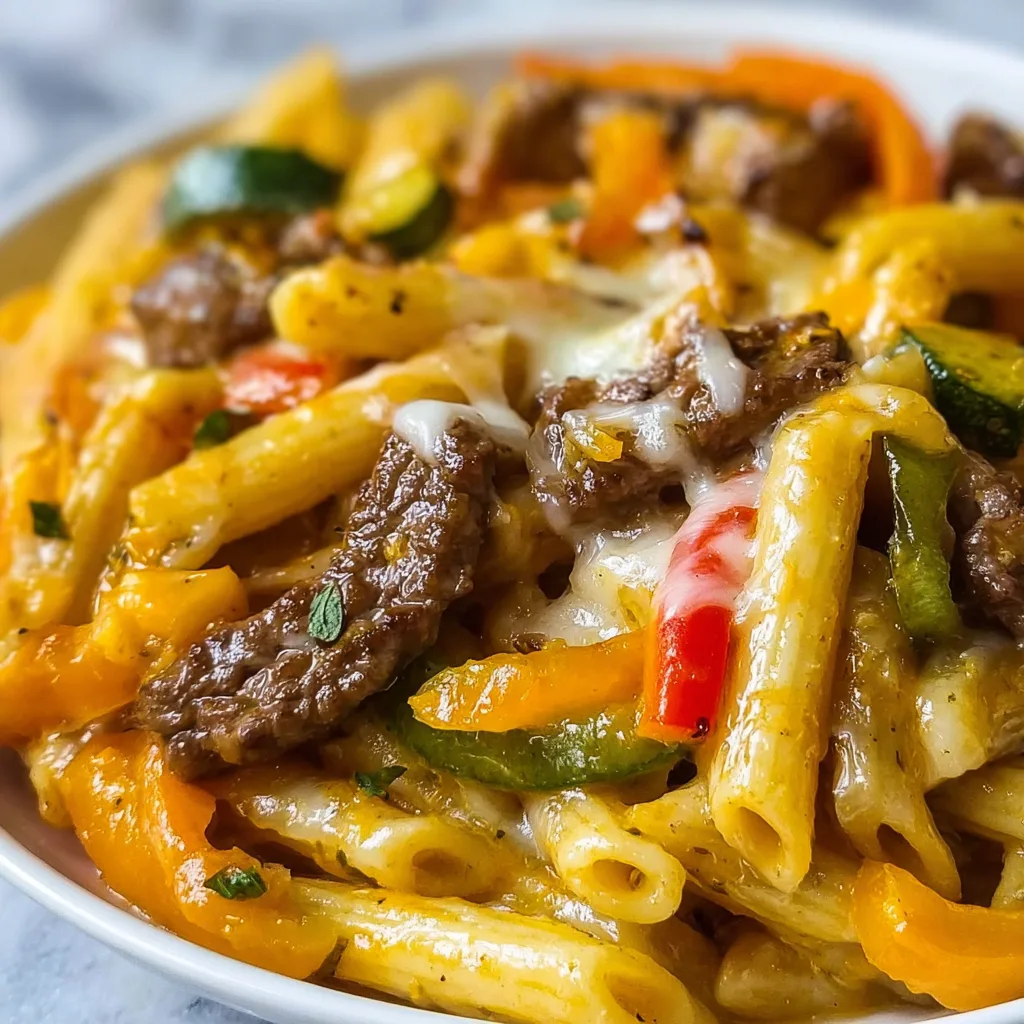
The vegetable component plays a crucial role in recreating the authentic cheesesteak experience. Traditional bell peppers and onions form the backbone of the flavor profile, but the preparation technique significantly impacts the final dish. Slow-cooking the onions until they achieve deep caramelization develops complex sweetness that balances the richness of the cheese and meat.
Bell peppers should be sliced consistently and cooked until they reach the perfect point between crisp and tender. This ensures they maintain their vibrant color and fresh flavor while integrating seamlessly with the other components. The peppers add essential texture contrast and visual appeal that makes the dish as attractive as it is delicious.
The cheese sauce represents the soul of any great cheesesteak pasta. Combining traditional provolone with American cheese creates the ideal balance of flavor and meltability. Provolone contributes sharp, tangy notes that provide depth and complexity, while American cheese ensures smooth melting and that characteristic creamy texture associated with authentic cheesesteak preparations.
Mastering the Cooking Technique
Success with cheesesteak pasta depends heavily on proper timing and temperature control. Each component requires individual attention to achieve optimal results before combining them into the final dish. Starting with the pasta ensures it reaches perfect al dente texture while other components finish cooking.
The steak requires high heat and quick cooking to develop proper caramelization without overcooking. Thin slicing against the grain ensures tenderness, while proper seasoning enhances the natural beef flavors without overwhelming the dish. The meat should be cooked in batches if necessary to avoid overcrowding the pan, which would result in steaming rather than proper searing.
Vegetables benefit from gradual cooking that allows natural sugars to develop and flavors to concentrate. The onions should be cooked slowly until they achieve deep golden brown color and sweet, complex flavor. Bell peppers require less time but should be added at the appropriate moment to maintain their ideal texture and bright color.
Creating the Perfect Cheese Integration
The cheese sauce requires careful attention to prevent separation or grittiness. Starting with a simple roux provides stability and ensures smooth texture throughout the cooking process. Gradually adding liquid while whisking continuously prevents lumps from forming and creates the silky consistency that characterizes exceptional cheese sauces.
Temperature control becomes critical when adding cheese to the sauce. Excessive heat can cause the proteins to seize and create an undesirable grainy texture. Removing the pan from direct heat and adding cheese gradually while whisking ensures smooth incorporation and maintains the creamy consistency that makes this dish so appealing.
The final assembly brings all components together in perfect harmony. Combining the cooked pasta, seasoned steak, caramelized vegetables, and creamy cheese sauce requires gentle folding to distribute ingredients evenly without breaking delicate pasta shapes or creating a mushy texture.
Nutritional Benefits and Dietary Considerations
Beyond its incredible taste, cheesesteak pasta provides substantial nutritional value when prepared with quality ingredients. Lean beef contributes high-quality protein, essential B vitamins, and important minerals like iron and zinc. Bell peppers add vitamin C, folate, and antioxidants that support overall health.
The pasta component provides complex carbohydrates that deliver sustained energy, while the cheese contributes calcium and additional protein. Onions offer prebiotic fiber that supports digestive health and various compounds with anti-inflammatory properties.
For those managing specific dietary requirements, several modifications can accommodate different needs without sacrificing flavor. Whole grain pasta increases fiber content and provides additional nutrients. Reduced-fat cheese options can lower overall calorie content while maintaining satisfying taste.
Storage and Reheating Strategies
Proper storage ensures leftover cheesesteak pasta maintains its quality and safety. The dish should be cooled completely before refrigerating in airtight containers. Properly stored, it remains fresh for up to three days in the refrigerator.
Reheating requires careful attention to prevent the cheese sauce from separating or becoming grainy. Gentle reheating over low heat with occasional stirring produces the best results. Adding a small amount of milk or cream during reheating can help restore the original creamy consistency if the sauce appears thick.
For longer storage, the pasta can be frozen for up to three months. However, dairy-based sauces may experience some texture changes after freezing. Thawing slowly in the refrigerator and reheating gently with additional liquid helps restore acceptable consistency.
Serving Suggestions and Presentation Ideas
Cheesesteak pasta shines as a complete meal that requires minimal accompaniments. A simple green salad with vinaigrette provides fresh contrast to the rich pasta dish. Crusty bread helps capture any remaining cheese sauce and adds satisfying texture variation.
For special occasions, individual serving bowls allow for attractive presentation while keeping portions manageable. Garnishing with fresh chopped parsley adds color and freshness that balances the rich flavors. A light dusting of freshly ground black pepper enhances the overall flavor profile.
Wine pairing options include medium-bodied red wines that complement the beef and stand up to the rich cheese sauce. A well-balanced Merlot or Chianti provides excellent accompaniment without overwhelming the dish’s flavors.
Conclusion: Bringing Philadelphia Home
This Philly cheesesteak pasta recipe successfully transforms an iconic regional sandwich into a versatile, family-friendly meal that captures all the beloved flavors in a new, exciting format. The combination of tender pasta, perfectly seasoned steak, caramelized vegetables, and creamy cheese sauce creates a dish that satisfies both comfort food cravings and practical dinner needs.
Whether served as a weeknight family dinner or prepared for casual entertaining, this recipe delivers consistent results that please diverse tastes and dietary preferences. The flexibility to adjust ingredients and proportions ensures success for cooks of all skill levels while maintaining the authentic flavors that make Philly cheesesteaks so universally loved.
By mastering this recipe, home cooks gain access to a reliable, delicious meal option that brings the distinctive taste of Philadelphia directly to their dining table, creating new family favorites while honoring the traditions of classic American comfort food.
Ingredients:
- 1 lb penne pasta
- 1.5 lbs ribeye steak, thinly sliced
- 1 large yellow onion, sliced
- 2 bell peppers (green and red), sliced
- 3 cloves garlic, minced
- 4 tbsp butter
- 4 tbsp all-purpose flour
- 2 cups whole milk
- 1 cup heavy cream
- 8 oz provolone cheese, shredded
- 8 oz American cheese, cubed
- 2 tbsp olive oil
- 1 tsp salt
- 1/2 tsp black pepper
- 1/2 tsp paprika
- 1/4 tsp garlic powder

Instructions:
- Cook penne pasta according to package directions until al dente, drain and set aside.
- Heat olive oil in large skillet over high heat, season steak strips with salt, pepper, and paprika.
- Cook steak strips in batches for 2-3 minutes until browned, remove and set aside.
- In same skillet, add sliced onions and cook for 8-10 minutes until caramelized and golden brown.
- Add bell pepper slices and cook for 4-5 minutes until tender-crisp, remove vegetables and set aside.
- In large saucepan, melt butter over medium heat and whisk in flour to create roux.
- Gradually add milk and cream, whisking continuously until smooth and thickened.
- Remove from heat and gradually add provolone and American cheese, stirring until melted and smooth.
- Return pasta to large pot and fold in cheese sauce, cooked steak, and caramelized vegetables.
- Heat through for 2-3 minutes, adjust seasoning if needed, and serve immediately while hot.
Philly Cheesesteak Pasta
Ingredients
Equipment
Method
- Cook penne pasta according to package directions until al dente, drain and set aside.
- Heat olive oil in large skillet over high heat, season steak strips with salt, pepper, and paprika.
- Cook steak strips in batches for 2-3 minutes until browned, remove and set aside.
- In same skillet, add sliced onions and cook for 8-10 minutes until caramelized and golden brown.
- Add bell pepper slices and cook for 4-5 minutes until tender-crisp, remove vegetables and set aside.
- In large saucepan, melt butter over medium heat and whisk in flour to create roux.
- Gradually add milk and cream, whisking continuously until smooth and thickened.
- Remove from heat and gradually add provolone and American cheese, stirring until melted and smooth.
- Return pasta to large pot and fold in cheese sauce, cooked steak, and caramelized vegetables.
- Heat through for 2-3 minutes, adjust seasoning if needed, and serve immediately while hot.