Slow-Cooked Short Rib Ragù: The Ultimate Comfort Food for Your Family Table
There’s something truly magical about coming home to the intoxicating aroma of beef short ribs that have been braising low and slow for hours. This slow-cooked short rib ragù transforms humble ingredients into a restaurant-quality meal that will have your family asking for seconds and thirds. The tender, fall-apart beef combined with a rich, deeply flavored tomato sauce creates the ultimate comfort food experience that’s perfect for chilly weekends and special family gatherings.
The beauty of this recipe lies in its simplicity and patience. While the cooking time is extensive, the actual hands-on preparation is surprisingly straightforward, making it an ideal project for lazy Sunday afternoons when you want your kitchen to smell absolutely incredible. The slow cooking process breaks down the tough connective tissues in the short ribs, resulting in meat so tender it practically melts in your mouth. Combined with aromatic vegetables, herbs, and a splash of red wine, this ragù develops complex flavors that rival any Italian grandmother’s secret recipe.
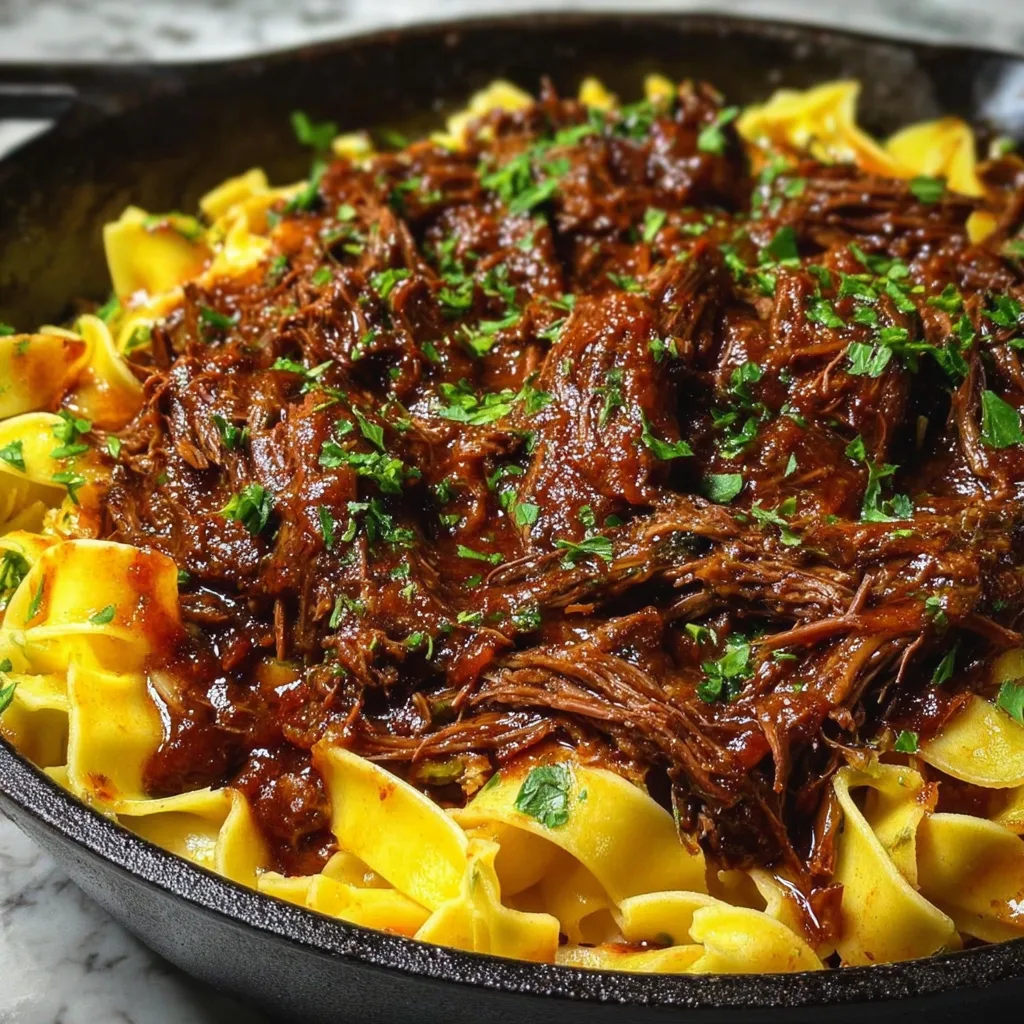
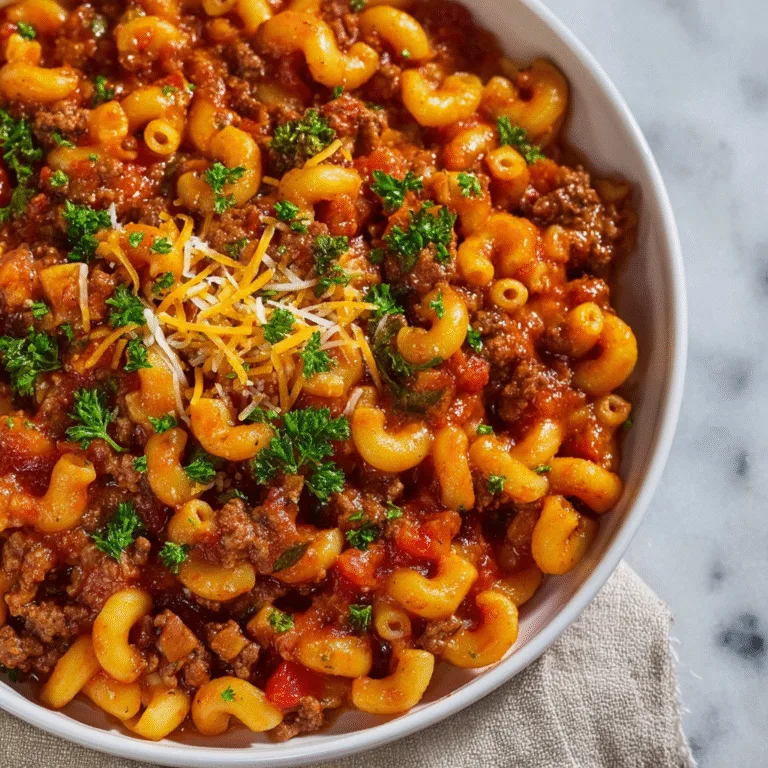
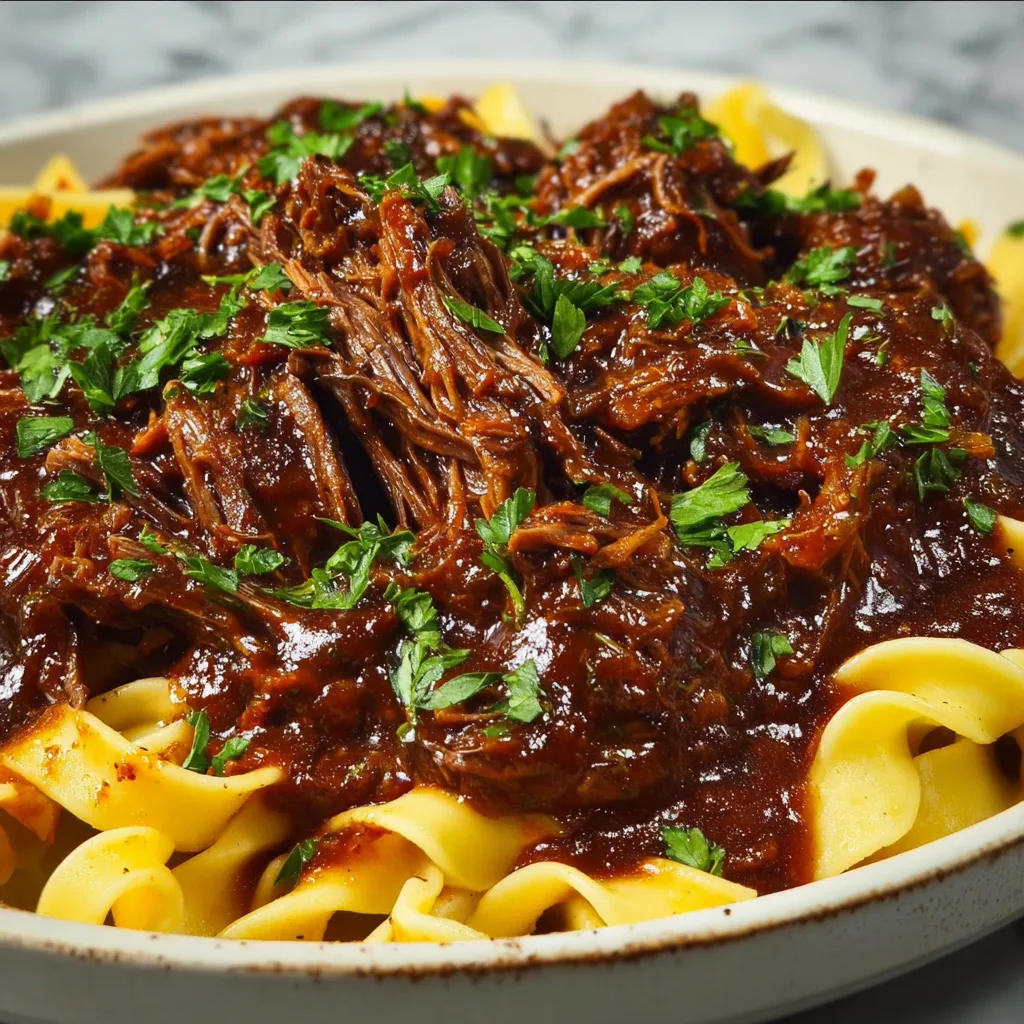
Whether you’re feeding a crowd or meal-prepping for the week ahead, this slow-cooked short rib ragù delivers impressive results with minimal effort. Serve it over wide egg noodles, creamy polenta, or even crusty bread to soak up every last drop of that magnificent sauce. This is comfort food at its absolute finest – hearty, satisfying, and guaranteed to become a cherished family favorite.
Why This Slow-Cooked Short Rib Ragù Will Change Your Dinner Game
Short ribs are one of the most underrated cuts of beef, offering incredible flavor and texture when cooked properly. Unlike quick-cooking cuts, short ribs require low and slow cooking to transform from tough and chewy to incredibly tender and flavorful. The marbling of fat throughout the meat ensures that as it cooks, the ragù becomes rich and luxurious without being greasy.
The slow-cooking method employed in this recipe allows the flavors to develop and meld together beautifully. As the short ribs braise in the tomato-wine sauce, they release their natural gelatin, which thickens the sauce and gives it a silky, velvety texture that coats pasta perfectly. The aromatics – onions, garlic, carrots, and celery – soften and almost dissolve into the sauce, adding depth and sweetness that balances the acidity of the tomatoes.
What sets this ragù apart from standard pasta sauces is the concentrated beefy flavor that permeates every bite. The meat becomes so tender that it shreds easily with just a fork, creating those beautiful, irregular pieces that catch and hold onto the thick sauce. Each mouthful delivers an explosion of savory, slightly sweet, and wonderfully complex flavors that satisfy on every level.
The Science Behind Perfect Short Ribs
Understanding what happens during the braising process helps explain why this recipe works so magnificently. Short ribs contain significant amounts of collagen, the connective tissue that holds muscle fibers together. When exposed to high, dry heat, collagen tightens and becomes tough. However, when cooked slowly in liquid at lower temperatures, collagen gradually breaks down into gelatin, which dissolves into the cooking liquid and creates that signature rich, thick consistency.
The addition of acidic ingredients like tomatoes and wine serves multiple purposes. First, the acid helps break down tough proteins even more efficiently, speeding up the tenderizing process. Second, it brightens the overall flavor profile, cutting through the richness of the beef and preventing the dish from feeling heavy. Third, the acid helps extract and preserve the vibrant colors of the vegetables, ensuring your finished ragù looks as good as it tastes.
Temperature control is crucial for perfect results. Keeping the cooking temperature between 275-300°F ensures that the meat cooks gently and evenly without drying out. If the temperature is too high, the exterior of the meat can overcook before the interior becomes tender. If it’s too low, the cooking time extends significantly and the flavors don’t develop as fully. This sweet spot temperature allows the magic to happen over several hours, transforming tough meat into tender perfection.
Essential Ingredients That Make the Difference
Quality ingredients elevate this dish from good to extraordinary. Start with well-marbled bone-in short ribs from your butcher – the bone adds flavor and the marbling ensures moistness. Don’t skip the browning step; searing the meat creates a flavorful crust through the Maillard reaction, adding depth and complexity to the final sauce.
Fresh aromatics form the flavor foundation. Use real onions, garlic, carrots, and celery rather than shortcuts like dried or pre-chopped versions. The difference in flavor is dramatic and worth the minimal extra effort. These vegetables soften during the long cooking time, releasing their natural sugars and creating a sweet, aromatic base that complements the rich beef perfectly.
Choose good quality canned tomatoes for consistent results. San Marzano tomatoes are ideal due to their naturally sweet flavor and low acidity, but any high-quality crushed tomatoes work well. The red wine adds sophistication and depth – use something you’d actually drink, as the flavor concentrates during cooking. Cheap cooking wine will result in an unpleasant metallic taste that permeates the entire dish.
Ingredients
For the Ragù:
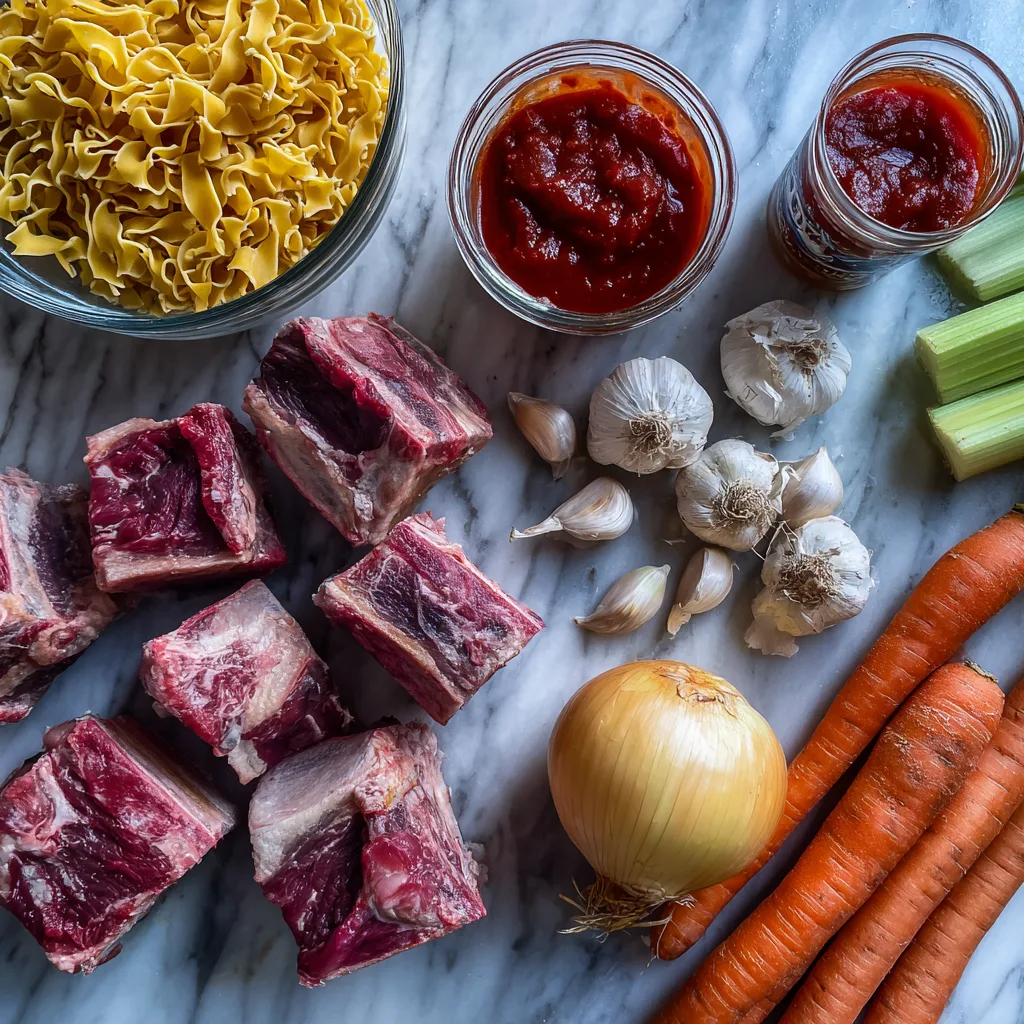
- 3 pounds bone-in beef short ribs
- Salt and black pepper to taste
- 2 tablespoons olive oil
- 1 large yellow onion, diced
- 3 celery stalks, diced
- 2 large carrots, diced
- 6 garlic cloves, minced
- 2 tablespoons tomato paste
- 1 cup red wine (preferably Italian like Chianti or Sangiovese)
- 1 can (28 ounces) crushed tomatoes
- 2 cups beef broth
- 2 bay leaves
- 4 sprigs fresh thyme
- 1 teaspoon dried oregano
For Serving:
- 1 pound wide egg noodles or pappardelle pasta
- Fresh parsley, chopped for garnish
- Grated Parmesan cheese (optional)
Instructions
- Preheat your oven to 300°F. Pat the short ribs completely dry with paper towels and season generously on all sides with salt and black pepper. This initial seasoning is crucial for building flavor throughout the dish.
- Heat olive oil in a large Dutch oven or heavy-bottomed pot over medium-high heat until shimmering but not smoking. Working in batches to avoid crowding, sear the short ribs on all sides until deeply browned, approximately 3-4 minutes per side. The meat should develop a rich, caramelized crust. Transfer browned ribs to a plate and set aside.
- Reduce heat to medium and add diced onion, celery, and carrots to the pot with the remaining fat and browned bits. Sauté the vegetables for 8-10 minutes, stirring occasionally, until softened and beginning to caramelize around the edges. The vegetables should release moisture that helps deglaze the flavorful brown bits stuck to the bottom of the pot.
- Add minced garlic and tomato paste to the vegetables, stirring constantly for 1-2 minutes until the tomato paste darkens slightly and becomes fragrant. This step cooks out the raw tomato flavor and concentrates the paste’s sweetness.
- Pour in the red wine, using a wooden spoon to scrape up all the caramelized bits from the bottom of the pot. Let the wine simmer vigorously for 3-4 minutes until reduced by half and the raw alcohol smell dissipates, leaving behind concentrated wine flavor.
- Stir in the crushed tomatoes, beef broth, bay leaves, fresh thyme sprigs, and dried oregano. Bring the mixture to a simmer, then nestle the browned short ribs back into the pot, ensuring they’re mostly submerged in the liquid. The bones can stick up above the surface.
- Cover the pot with a tight-fitting lid and transfer to the preheated oven. Braise for 3-3.5 hours, checking occasionally, until the meat is fall-apart tender and easily pulls away from the bones. You’ll know it’s ready when a fork slides through the meat with no resistance.
- Carefully remove the pot from the oven and transfer the short ribs to a cutting board. Let them rest for 10 minutes, then shred the meat with two forks, discarding the bones and any large pieces of fat. Remove and discard the bay leaves and thyme stems from the sauce.
- Return the shredded meat to the sauce and stir to combine. If the sauce seems thin, simmer it uncovered on the stovetop for 10-15 minutes to reduce and thicken to your desired consistency. The sauce should be thick enough to coat the back of a spoon. Taste and adjust seasoning with additional salt and pepper if needed.
- Meanwhile, bring a large pot of salted water to a boil and cook the egg noodles according to package directions until al dente. Drain the pasta, reserving 1 cup of pasta cooking water.
- Toss the cooked noodles with the ragù, adding splashes of reserved pasta water if needed to help the sauce coat the noodles evenly. The starchy pasta water helps bind the sauce to the noodles for perfect consistency.
- Serve immediately in shallow bowls, topped with freshly chopped parsley and grated Parmesan cheese if desired. The bright parsley adds a fresh contrast to the rich, meaty sauce.
Slow-Cooked Short Rib Ragù
Ingredients
Equipment
Method
- Preheat oven to 300°F. Pat short ribs dry and season generously with salt and pepper on all sides.
- Heat olive oil in Dutch oven over medium-high heat. Sear short ribs in batches until deeply browned on all sides, 3-4 minutes per side. Transfer to plate.
- Reduce heat to medium. Add onion, celery, and carrots. Sauté 8-10 minutes until softened and beginning to caramelize.
- Add garlic and tomato paste, stirring constantly for 1-2 minutes until paste darkens and becomes fragrant.
- Pour in red wine, scraping up browned bits from bottom. Simmer vigorously 3-4 minutes until reduced by half.
- Stir in crushed tomatoes, beef broth, bay leaves, thyme sprigs, and oregano. Bring to simmer.
- Nestle browned short ribs into sauce, ensuring mostly submerged. Cover and transfer to oven.
- Braise 3-3.5 hours until meat is fall-apart tender and pulls away from bones easily.
- Remove from oven, transfer ribs to cutting board. Rest 10 minutes, then shred meat with forks, discarding bones and large fat pieces.
- Remove bay leaves and thyme stems from sauce. Return shredded meat to sauce. If thin, simmer uncovered 10-15 minutes to reduce.
- Cook egg noodles in salted boiling water until al dente. Drain, reserving 1 cup pasta water.
- Toss noodles with ragù, adding pasta water as needed for proper consistency. Serve topped with parsley and Parmesan.
Notes
Pro Tips for Restaurant-Quality Results at Home
Patience is your greatest ally when making this ragù. Resist the temptation to increase the oven temperature to speed up cooking – the low and slow method is non-negotiable for achieving that perfect fall-apart texture. If you try to rush the process, you’ll end up with tough, chewy meat no matter how long you cook it at higher temperatures.
Don’t skip the browning step, even if you’re tempted to save time. Those caramelized bits on the bottom of the pot (called fond) contain concentrated flavor that becomes the backbone of your sauce. Similarly, reducing the wine before adding other liquids intensifies its flavor and removes harsh alcohol notes that could otherwise dominate the dish.
For even better results, make this ragù a day ahead. Like many braised dishes, the flavors develop and improve significantly after resting overnight in the refrigerator. The next day, simply skim off any solidified fat from the surface, reheat gently, and serve. The extra resting time allows the flavors to meld together even more harmoniously.
Serving Suggestions and Pairing Ideas
While wide egg noodles are traditional and wonderful, this versatile ragù pairs beautifully with many different bases. Fresh pappardelle pasta offers an authentic Italian presentation with its broad ribbons that catch and hold the chunky sauce perfectly. Creamy polenta provides a gluten-free option that soaks up the sauce beautifully while adding its own subtle corn sweetness.
For a heartier presentation, serve the ragù over creamy mashed potatoes or soft potato gnocchi. The combination of tender meat and fluffy potatoes creates an incredibly satisfying cold-weather meal. Alternatively, spoon the ragù over toasted crusty bread rubbed with garlic for an easy, rustic presentation that highlights the sauce’s incredible flavor.
Consider serving a simple green salad dressed with lemon vinaigrette alongside the ragù to cut through the richness. The bright acidity and crisp texture provide a refreshing contrast that prevents the meal from feeling heavy. A glass of the same red wine used in cooking pairs perfectly, creating a harmonious dining experience.
Storage and Make-Ahead Magic
This ragù is a meal prep champion that actually improves with time. Store cooled ragù in airtight containers in the refrigerator for up to 4 days, or freeze for up to 3 months. When freezing, portion into family-sized containers for easy reheating on busy weeknights when cooking from scratch feels impossible.
To reheat refrigerated ragù, simply warm it gently in a covered pot over medium-low heat, stirring occasionally and adding a splash of beef broth or water if the sauce has thickened too much. For frozen ragù, thaw overnight in the refrigerator before reheating for best results, though you can reheat from frozen in a pinch – just allow extra time and add additional liquid as needed.
The make-ahead nature of this recipe makes it perfect for entertaining. Prepare the ragù up to two days before your gathering, then simply reheat and cook fresh pasta when guests arrive. This approach allows you to enjoy time with your guests rather than being stuck in the kitchen, while still serving an impressive, restaurant-quality meal.
Conclusion: Embrace the Art of Slow Cooking
This slow-cooked short rib ragù represents everything wonderful about traditional cooking methods that have been passed down through generations. While modern life often demands quick meals, taking the time to braise short ribs properly rewards you with flavors and textures that simply cannot be rushed or replicated with shortcuts.
The process of making this ragù connects you to centuries of Italian culinary tradition, where resourceful cooks transformed tough, inexpensive cuts of meat into sublime dishes through patience and skill. Every time you make this recipe, you’re participating in that beautiful tradition while creating new memories around your own family table.
Whether you’re cooking for a special occasion or simply want to fill your home with incredible aromas on a lazy weekend, this slow-cooked short rib ragù delivers comfort, satisfaction, and undeniable deliciousness. Your family will remember this meal for years to come, and you’ll find yourself making it again and again, perhaps one day passing the recipe down to the next generation who will treasure it just as much as you do.