Thai Peanut Chicken: Restaurant-Quality Asian Fusion at Home
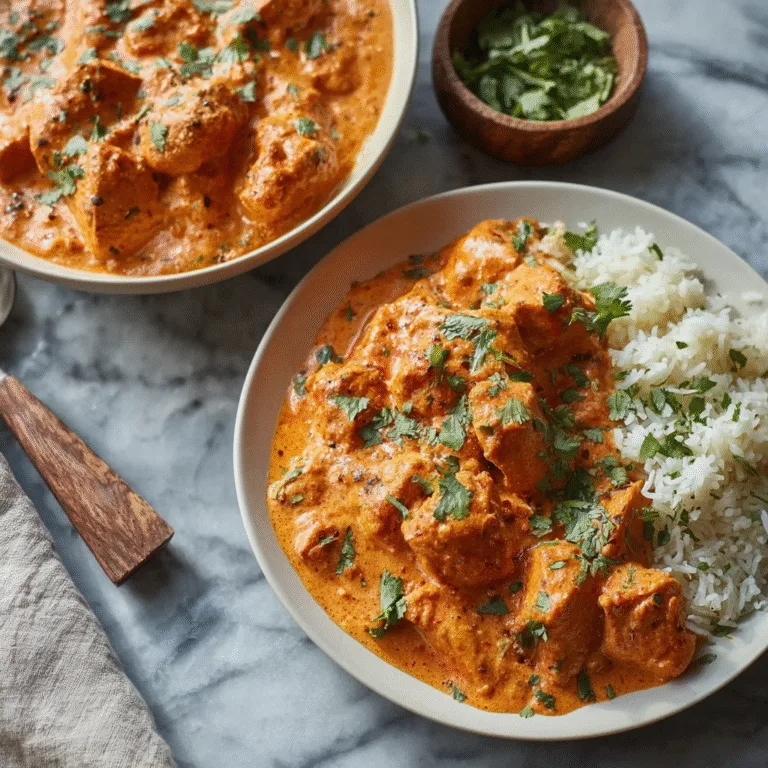
If you’ve been craving the bold, savory flavors of your favorite Thai restaurant but don’t want to spend a fortune on takeout, this Thai Peanut Chicken recipe is about to become your new best friend. Imagine tender, golden-brown chicken pieces bathed in a luxuriously thick, creamy peanut sauce that strikes the perfect balance between sweet, savory, and just a hint of spice. This dish brings together the irresistible combination of rich peanut butter, aromatic garlic and ginger, tangy lime, and a touch of heat from red chili peppers, all coming together to create a meal that tastes like it came straight from a professional kitchen.
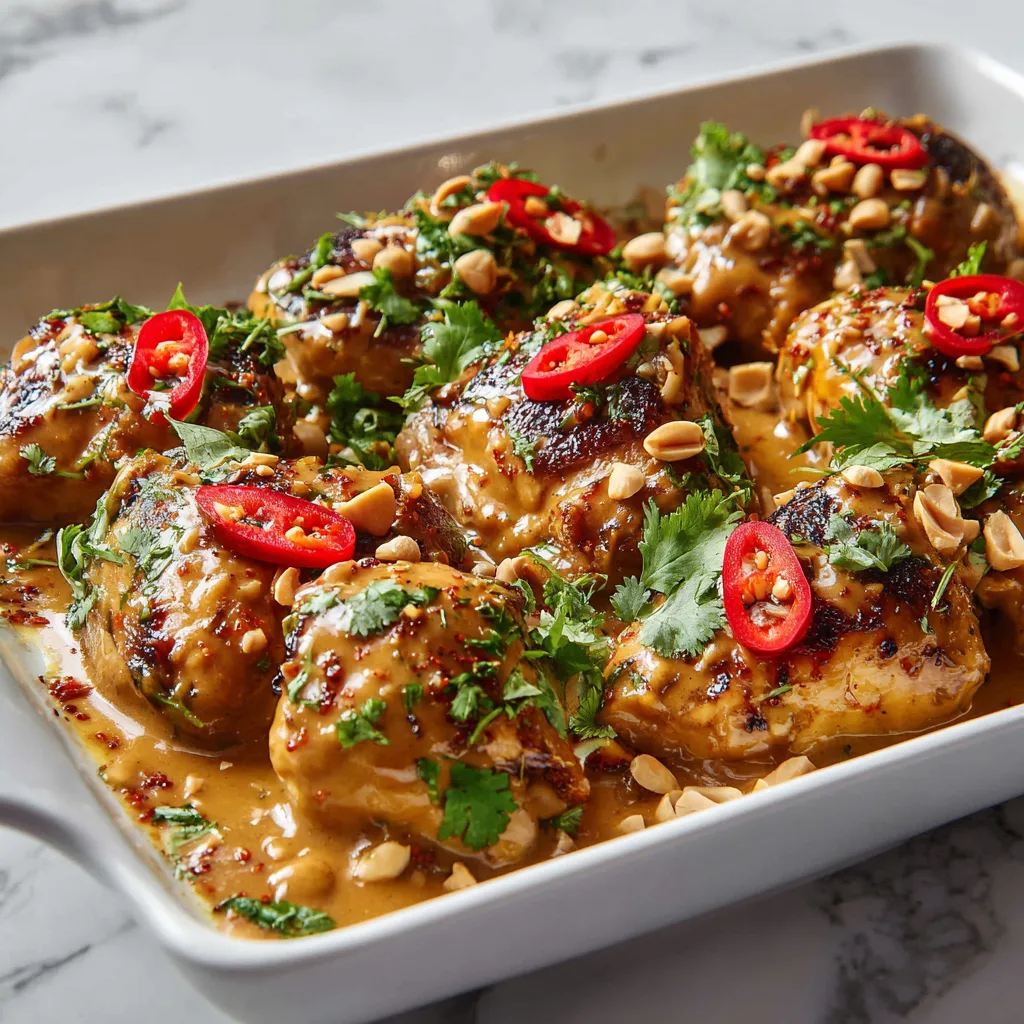
What makes this recipe truly special is how it manages to capture the essence of authentic Thai cuisine while remaining incredibly accessible for home cooks of all skill levels. You don’t need exotic ingredients that require a trip to a specialty store, and you certainly don’t need years of culinary training to pull this off. With just a handful of pantry staples and about 30 minutes of your time, you can create a dish that will have your family asking for seconds and your dinner guests begging for the recipe. The secret lies in the sauce – that gloriously thick, glossy peanut coating that clings to every piece of chicken, delivering maximum flavor in every single bite.
Whether you’re meal prepping for the week ahead, looking for a quick weeknight dinner solution, or planning to impress someone special with your cooking skills, this Thai Peanut Chicken delivers on all fronts. It’s versatile enough to serve over fluffy white rice, cauliflower rice for a low-carb option, or even tossed with noodles for a complete one-bowl meal. Plus, it’s naturally gluten-free friendly with a simple soy sauce substitution, making it perfect for accommodating various dietary preferences without sacrificing an ounce of flavor.
Why This Thai Peanut Chicken Recipe Works Every Time
The magic of this recipe lies in its foolproof technique that guarantees success even for novice cooks. Unlike complicated Thai recipes that require precise timing and multiple cooking vessels, this version streamlines the process without cutting corners on flavor. The chicken is cut into bite-sized pieces, which means faster cooking time and more surface area for that incredible peanut sauce to cling to. Each piece gets beautifully caramelized in the pan, developing those deep, golden-brown edges that add textural contrast and enhance the overall eating experience.
The peanut sauce itself is where the real alchemy happens. By combining creamy peanut butter with soy sauce, honey, fresh garlic, ginger, and a splash of lime juice, you create a sauce that’s complex yet balanced. The peanut butter provides richness and body, the soy sauce brings that essential umami depth, the honey adds sweetness to balance the savory elements, while the garlic and ginger contribute aromatic intensity that makes the whole dish come alive. A squeeze of fresh lime juice at the end brightens everything up, cutting through the richness and adding that signature Thai tang that makes the flavors pop.
What really sets this recipe apart is its forgiving nature. The sauce is thick and glossy, coating the chicken beautifully without being too heavy or overwhelming. If you prefer more heat, simply add extra chili peppers or a dash of sriracha. Want it sweeter? A bit more honey does the trick. Need to stretch the recipe to feed more people? It doubles or triples easily without any adjustments to cooking technique. This flexibility makes it perfect for customizing to your family’s specific taste preferences while maintaining that authentic Thai-inspired flavor profile.
The Perfect Combination of Textures and Flavors
One of the most satisfying aspects of this Thai Peanut Chicken is the interplay of textures that makes every bite interesting. The chicken itself is tender and juicy on the inside with those crispy, caramelized edges on the outside – a result of proper pan-searing technique that locks in moisture while developing flavor. The thick peanut sauce adds a creamy, luxurious coating that’s substantial enough to make a statement but not so heavy that it overwhelms the dish.
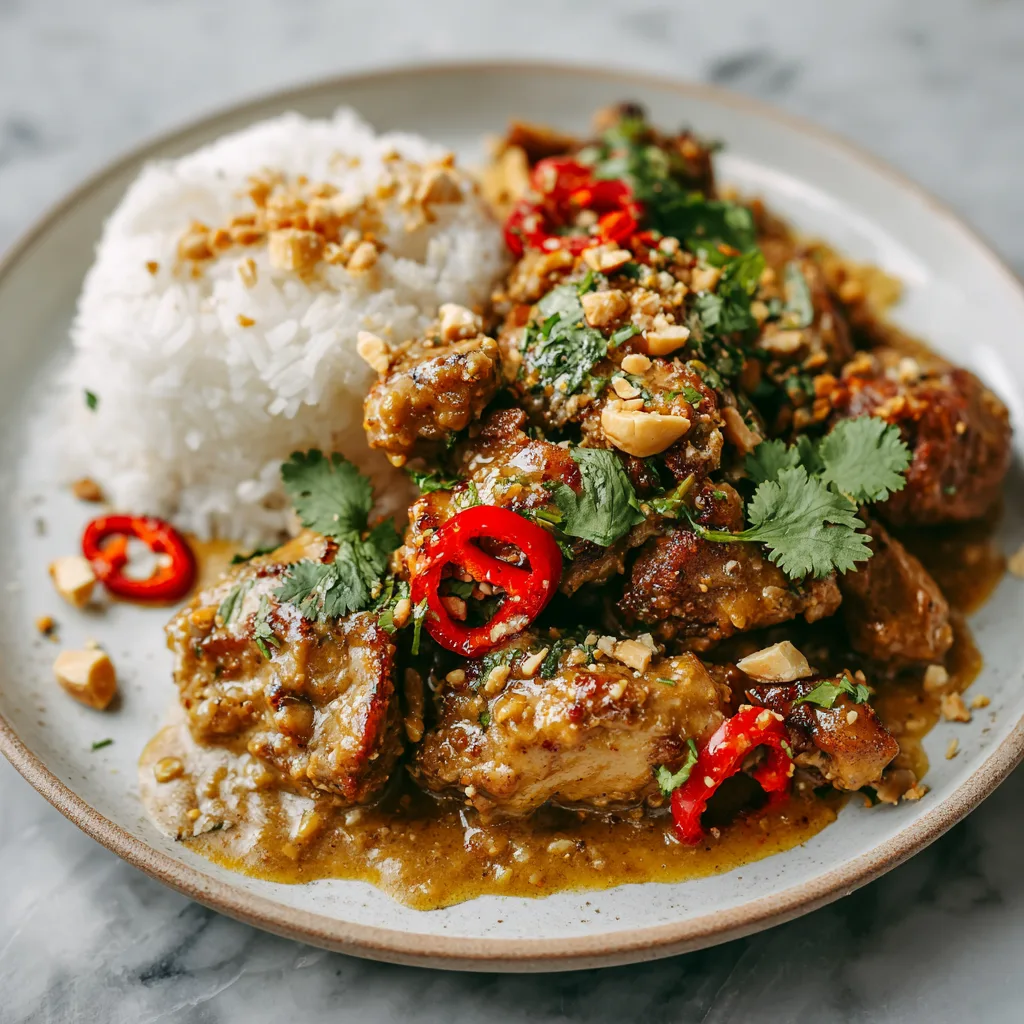
Then come the toppings, which are absolutely essential to elevating this from good to extraordinary. Roasted peanuts scattered generously over the top provide satisfying crunch and reinforce the peanut flavor throughout the dish. Fresh cilantro adds brightness and a pop of color, its herbaceous notes complementing the rich sauce perfectly. Sliced red chili peppers contribute visual appeal and a subtle heat that builds gradually rather than overwhelming your palate. When served over a bed of fluffy white rice, the grains soak up that incredible sauce, creating perfect little flavor bombs with each forkful.
The flavor profile is distinctly Thai-inspired but approachable enough that even picky eaters tend to love it. The peanut sauce is savory and slightly sweet with undertones of garlic and ginger that add depth without being too aggressive. There’s a gentle heat from the chilies that can easily be adjusted or omitted entirely for those who prefer milder dishes. The lime juice adds brightness that prevents the sauce from feeling too heavy, while the soy sauce contributes that essential savory backbone that makes the whole dish feel satisfying and complete.
Essential Ingredients for Authentic Thai Peanut Chicken
Creating restaurant-quality Thai Peanut Chicken at home requires quality ingredients, but nothing too difficult to source. The star of the show is boneless, skinless chicken breast, cut into uniform bite-sized pieces to ensure even cooking. Using chicken breast rather than thighs keeps the dish on the lighter side while still remaining incredibly satisfying. The uniform cutting is important – pieces that are too large won’t cook properly, while pieces that are too small can dry out or overcook.
For the signature peanut sauce, creamy peanut butter is non-negotiable. While natural peanut butter can work, conventional creamy peanut butter creates the smoothest, most stable sauce with that perfectly thick, glossy consistency. Soy sauce adds the essential umami and saltiness – if you’re gluten-free, tamari or coconut aminos work beautifully as substitutes without compromising flavor. Honey provides the sweetness that balances the savory elements, though you could substitute with maple syrup or brown sugar if preferred.
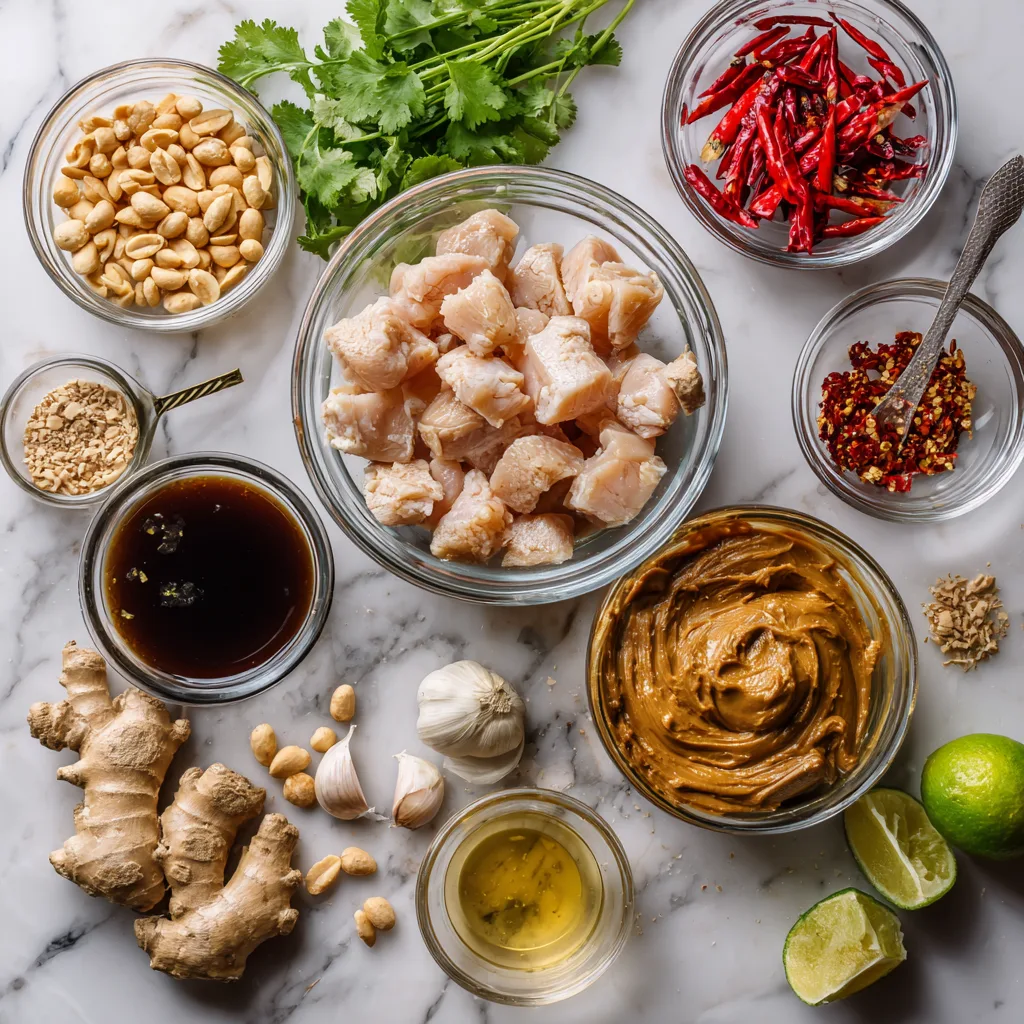
Fresh aromatics make all the difference in elevating this dish from ordinary to extraordinary. Fresh garlic and ginger are absolute must-haves – their pungent, aromatic qualities infuse the sauce with depth and complexity that dried versions simply cannot match. Fresh lime juice adds brightness and tang, cutting through the richness of the peanut butter and bringing all the flavors into balance. Don’t skip the lime – it’s truly transformative.
For finishing touches, roasted peanuts add crucial textural contrast and reinforce the peanut flavor theme throughout the dish. Fresh cilantro provides color, freshness, and that distinctive herbaceous note that’s so characteristic of Thai cuisine. Sliced red chili peppers bring visual appeal and adjustable heat – use more for spice lovers, fewer for milder palates, or omit entirely for kid-friendly versions.
Ingredients
For the Chicken:
- 1.5 pounds boneless skinless chicken breast, cut into bite-sized pieces
- 2 tablespoons vegetable oil
- Salt and black pepper to taste
For the Peanut Sauce:
- 1/2 cup creamy peanut butter
- 1/4 cup soy sauce
- 3 tablespoons honey
- 4 cloves garlic, minced
- 1 tablespoon fresh ginger, grated
- 2 tablespoons lime juice
- 2-3 tablespoons water to thin sauce
- 1/4 teaspoon red pepper flakes (optional)
For Garnish:
- 1/3 cup roasted peanuts
- 1/4 cup fresh cilantro, chopped
- 2-3 red chili peppers, sliced
- Lime wedges for serving
- Cooked white rice for serving
Instructions
- Prepare the chicken by cutting boneless, skinless chicken breasts into uniform bite-sized pieces, approximately 1 to 1.5 inches each. Pat the chicken pieces dry with paper towels and season generously with salt and black pepper on all sides.
- Heat vegetable oil in a large skillet or wok over medium-high heat until shimmering and hot. Add the seasoned chicken pieces in a single layer, working in batches if necessary to avoid overcrowding the pan.
- Cook the chicken without moving for 3-4 minutes until the bottom develops a golden-brown caramelized crust. Flip each piece and continue cooking for another 3-4 minutes until chicken is cooked through and reaches an internal temperature of 165°F.
- While the chicken cooks, prepare the peanut sauce by combining creamy peanut butter, soy sauce, honey, minced garlic, grated fresh ginger, lime juice, and red pepper flakes in a medium bowl. Whisk together until smooth and well combined.
- Add 2-3 tablespoons of water to the peanut sauce mixture, whisking continuously until the sauce reaches a thick but pourable consistency. The sauce should be glossy and smooth without any lumps.
- Reduce heat to medium-low and pour the prepared peanut sauce over the cooked chicken pieces in the skillet. Toss everything together, ensuring each piece of chicken is thoroughly coated with the thick, glossy sauce.
- Continue cooking for 2-3 minutes, stirring frequently, until the sauce thickens further and clings beautifully to the chicken pieces, creating that signature glossy coating.
- Remove from heat and transfer the Thai peanut chicken to a serving dish. Garnish generously with roasted peanuts, freshly chopped cilantro, and sliced red chili peppers. Serve immediately over fluffy white rice with lime wedges on the side.
Thai Peanut Chicken
Ingredients
Equipment
Method
- Cut chicken breast into uniform bite-sized pieces and pat dry. Season generously with salt and black pepper.
- Heat vegetable oil in large skillet over medium-high heat. Add chicken in single layer and cook 3-4 minutes per side until golden brown and cooked through to 165°F.
- While chicken cooks, whisk together peanut butter, soy sauce, honey, minced garlic, grated ginger, lime juice, and red pepper flakes in a bowl.
- Add 2-3 tablespoons water to peanut sauce and whisk until smooth and pourable with thick, glossy consistency.
- Reduce heat to medium-low and pour prepared peanut sauce over cooked chicken. Toss to coat all pieces thoroughly.
- Cook 2-3 minutes, stirring frequently, until sauce thickens and clings beautifully to chicken pieces.
- Remove from heat and transfer to serving dish. Garnish generously with roasted peanuts, fresh cilantro, and sliced red chilies.
- Serve immediately over fluffy white rice with lime wedges on the side.
Notes
Smart Tips for Thai Peanut Chicken Success
Achieving restaurant-quality results with your Thai Peanut Chicken comes down to mastering a few key techniques. First and foremost, don’t overcrowd your pan when cooking the chicken. If you pile too many pieces in at once, they’ll steam rather than sear, preventing that beautiful golden-brown caramelization that adds so much flavor and visual appeal. Cook in batches if necessary, even though it takes a few extra minutes – the results are absolutely worth it.
Temperature control is crucial throughout the cooking process. You want your pan hot enough to achieve proper browning on the chicken, but not so hot that the garlic and ginger in the sauce burn when added. Medium-high heat works perfectly for searing the chicken, but remember to reduce to medium-low once you add the sauce to prevent scorching. The sauce should bubble gently and thicken gradually rather than boiling aggressively.
When preparing the peanut sauce, consistency is everything. The sauce should be thick enough to coat the chicken beautifully but not so thick that it becomes paste-like. If your sauce seems too thick, add water one tablespoon at a time until you reach that perfect glossy, pourable consistency. Conversely, if it’s too thin, let it simmer a bit longer to reduce and thicken naturally. The sauce will continue to thicken slightly as it cools, so err on the side of slightly thinner rather than thicker.
Fresh ingredients make an enormous difference in the final flavor profile. While it might be tempting to use jarred garlic and pre-ground ginger, fresh versions contribute aromatic intensity and complexity that simply cannot be replicated with processed alternatives. The same goes for lime juice – bottled versions lack the bright, fresh acidity that really makes this dish sing. These small investments in fresh ingredients pay huge dividends in flavor.
Serving Suggestions and Meal Ideas
Thai Peanut Chicken is incredibly versatile when it comes to serving options, making it perfect for everything from casual weeknight dinners to more elaborate meal presentations. The most traditional approach is serving it over a generous bed of fluffy white jasmine rice, which soaks up that incredible peanut sauce and provides a neutral backdrop that lets the bold flavors shine. The rice also helps balance the richness of the sauce, making each bite perfectly proportioned.
For a low-carb alternative, cauliflower rice works beautifully and doesn’t sacrifice any of the dish’s satisfaction factor. The cauliflower’s mild flavor complements the bold peanut sauce without competing, and its texture mimics traditional rice closely enough that you won’t feel like you’re missing out. You could also serve this over rice noodles for a more substantial, noodle-bowl-style presentation that’s perfect for lunch meal prep.
Don’t overlook the power of vegetable additions to make this a complete one-pan meal. Stir-fried vegetables like bell peppers, snap peas, broccoli florets, or baby bok choy can be added directly to the pan before or after the chicken, creating a more substantial and nutritious meal. The vegetables absorb the peanut sauce beautifully while adding color, texture, and additional nutrients to the dish.
For entertaining, consider serving the Thai Peanut Chicken as part of a larger Asian-inspired spread. Pair it with spring rolls, cucumber salad, or steamed edamame for a restaurant-style experience at home. The dish also holds up well for buffet-style serving, maintaining its texture and temperature better than many other chicken dishes.
Storage and Meal Prep Strategies
One of the greatest advantages of Thai Peanut Chicken is how well it adapts to meal prep and make-ahead strategies, making it perfect for busy weeknights or planned lunches throughout the week. Once cooked and cooled completely, the chicken can be stored in an airtight container in the refrigerator for up to four days. The flavors actually intensify and meld together over time, making leftovers potentially even more delicious than the freshly cooked version.
When reheating, add a splash of water or chicken broth to the container before microwaving, as the sauce tends to thicken considerably when cold. Heat in 30-second intervals, stirring between each, until warmed through completely. Alternatively, reheat gently in a skillet over medium-low heat, adding a bit of liquid to restore the sauce’s original consistency. Avoid high heat when reheating, as it can cause the peanut sauce to separate or the chicken to become tough.
For maximum meal prep efficiency, you can prepare components separately and assemble when ready to eat. Cook and store the chicken in sauce in one container, prepare rice in another, and keep garnishes like peanuts and cilantro separate until serving time. This approach ensures that each element maintains optimal texture and freshness. The fresh garnishes are particularly important – adding them just before serving keeps the peanuts crunchy and the cilantro vibrant rather than wilted.
The dish also freezes reasonably well for up to two months, though the texture of the sauce may change slightly upon thawing. To freeze, portion into individual serving-sized containers, cool completely, and freeze flat for easy stacking. Thaw overnight in the refrigerator before reheating. While the chicken will maintain its quality well, you may want to add fresh garnishes after reheating to restore that restaurant-fresh appearance and texture.
Bringing Bold Thai Flavors to Your Table Tonight
Thai Peanut Chicken represents everything we love about Asian-inspired home cooking – bold flavors, simple techniques, and ingredients that work together harmoniously to create something truly special. This isn’t just another chicken recipe to add to your rotation; it’s a dish that genuinely excites people when they see it coming to the table. The glossy peanut sauce, the golden-brown chicken, the colorful garnishes – everything about this dish says “restaurant quality” while remaining completely achievable in your home kitchen.
What makes this recipe a true keeper is its remarkable balance of being both impressive and approachable. You can serve it to guests with confidence, knowing they’ll be genuinely impressed by the complex flavors and beautiful presentation. Yet it’s simple enough to throw together on a busy Tuesday when you need dinner on the table fast. This versatility is rare in cooking – dishes are usually either quick and simple or impressive and complicated, but Thai Peanut Chicken manages to be both simultaneously.
The recipe is also wonderfully forgiving and adaptable to personal preferences and dietary needs. Spice level can be adjusted with ease, protein can be swapped (try it with shrimp or tofu), and serving options are virtually limitless. Whether you’re cooking for picky kids who love peanut butter or adventurous eaters who crave bold flavors, this dish has broad appeal that makes it perfect for any household.
Don’t let another week go by ordering expensive takeout when you can create this incredible Thai Peanut Chicken at home for a fraction of the cost and with complete control over ingredients and quality. Your kitchen will smell amazing, your family will be thrilled, and you’ll have discovered a new go-to recipe that delivers satisfaction every single time. Grab your ingredients, heat up that skillet, and get ready to experience Thai-inspired cooking at its absolute finest.