The Best Homemade French Bread
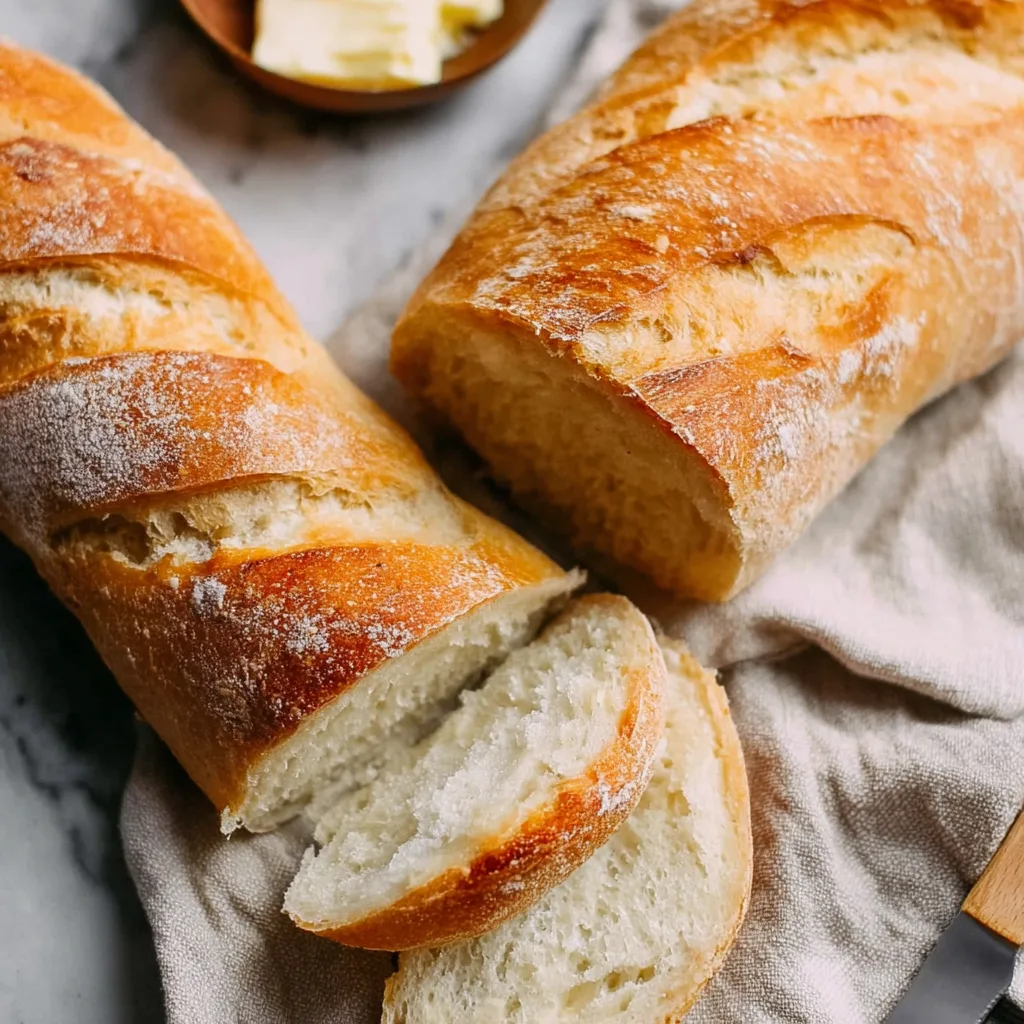
Crisp on the outside, soft and airy on the inside, The Best Homemade French Bread is everything a classic loaf should be. With its golden crust, chewy interior, and simple ingredients, this bread proves that bakery-quality results are absolutely possible at home.
French bread is beloved for its versatility. It’s just as perfect sliced warm with butter as it is used for sandwiches, garlic bread, or dipping into soups and sauces. What makes this recipe special is its reliability — it produces consistent, beautiful loaves with a crisp crust and tender crumb every single time.
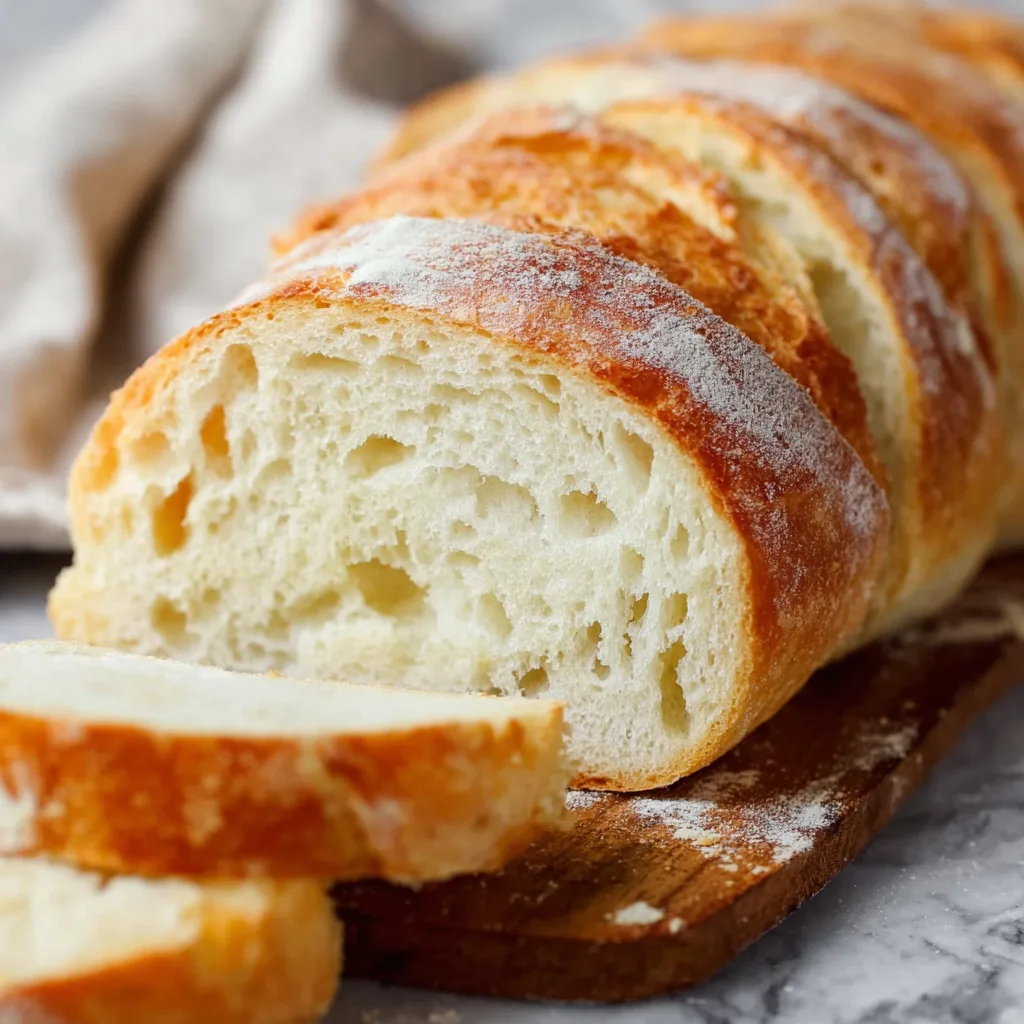
Unlike overly complicated bread recipes, this one focuses on technique rather than unnecessary ingredients. Flour, water, yeast, salt, and a touch of oil come together to create a loaf that tastes authentic, comforting, and deeply satisfying.
Why This French Bread Recipe Truly Works
French bread relies on simplicity, which means every step matters. This recipe balances hydration, kneading, and rise time to achieve the perfect structure. The dough is soft but manageable, allowing it to expand properly during baking without becoming dense.
Steam in the oven during the first part of baking helps create that iconic crisp crust, while proper shaping ensures an even crumb throughout the loaf. The result is bread that looks and tastes like it came straight from a bakery.
This method is approachable enough for beginners yet satisfying for experienced bakers who want a dependable go-to loaf.
Ingredients
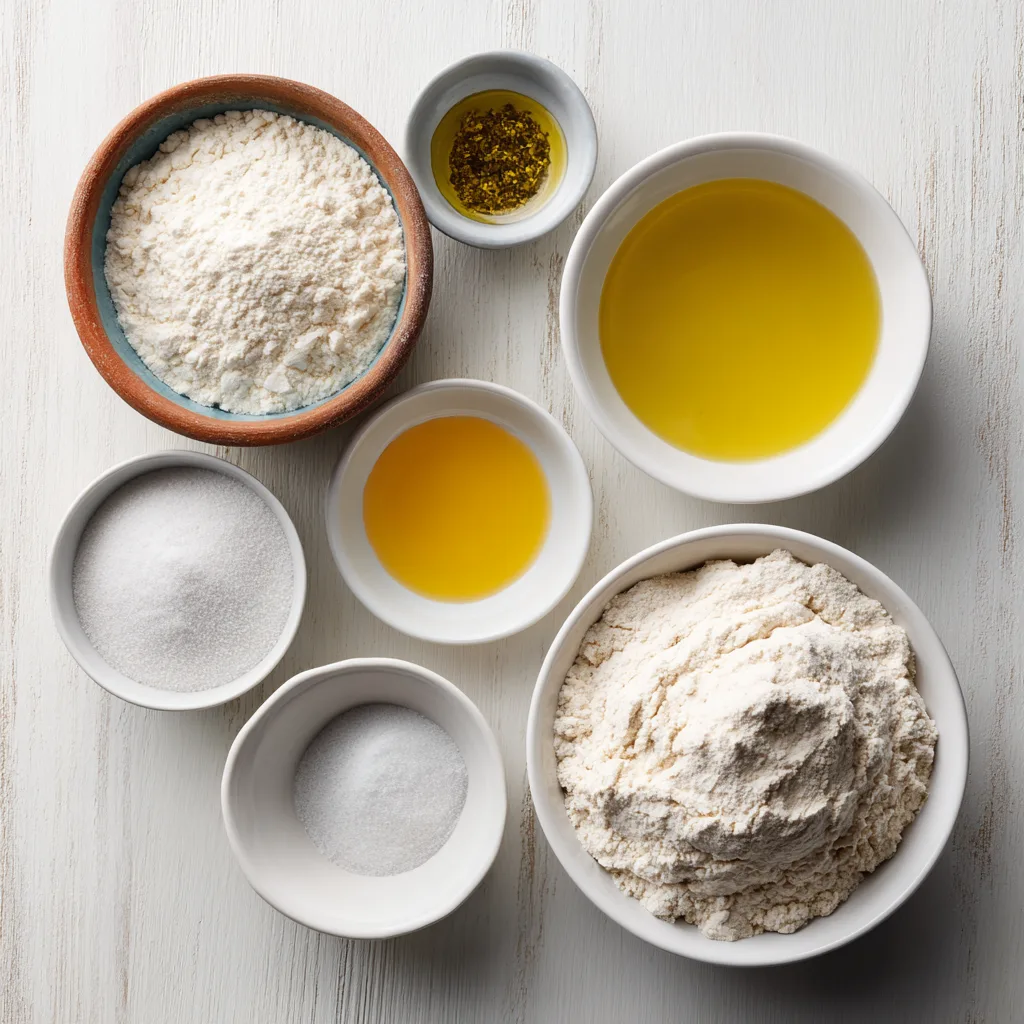
Quality basics are all you need for outstanding bread.
- All-purpose flour or bread flour
- Warm water
- Active dry yeast
- Sugar
- Salt
- Olive oil
Instructions
- In a large bowl, combine warm water, sugar, and yeast. Let sit until foamy.
- Add olive oil, salt, and most of the flour. Mix until a soft dough forms.
- Knead until smooth and elastic, adding remaining flour as needed.
- Place dough in a greased bowl, cover, and let rise until doubled.
- Punch down and divide dough into portions. Shape into long loaves.
- Place loaves on a baking sheet, cover, and let rise again.
- Score the tops with a sharp knife.
- Bake in a hot oven with steam until golden and crusty.
- Cool slightly before slicing.
The Best Homemade French Bread
Ingredients
Equipment
Method
- Activate yeast with warm water and sugar until foamy.
- Mix in oil, salt, and flour to form dough.
- Knead until smooth and elastic.
- Let dough rise until doubled.
- Shape into loaves and rise again.
- Score and bake with steam until golden.
Notes
Tips for Bakery-Style French Bread
- Use warm, not hot water to activate yeast without killing it.
- Knead thoroughly to develop gluten for structure and chew.
- Create steam in the oven to achieve a crisp crust.
- Score the dough so it expands evenly during baking.
Flour Choices Explained
Bread flour produces a chewier loaf with a slightly taller rise due to higher protein content. All-purpose flour still yields excellent results and is more commonly available. Both work well in this recipe, making it flexible for home kitchens.
Variations
- Garlic French Bread: Brush with garlic butter after baking.
- Herb French Bread: Add dried herbs to the dough for flavor.
- Whole Wheat Blend: Replace a portion of the flour with whole wheat flour.
- Mini Loaves: Shape into smaller baguette-style loaves for individual servings.
Serving Suggestions
This bread pairs beautifully with soups, stews, pasta dishes, and salads. It’s ideal for sandwiches, bruschetta, or simply torn and dipped into olive oil. Freshly baked, it’s hard to beat.
For gatherings, serve warm slices with butter or flavored spreads and let guests help themselves.
Storage & Freezing
Store bread at room temperature loosely wrapped for up to two days. For longer storage, freeze sliced loaves and reheat as needed. A quick warm-up in the oven restores crustiness beautifully.
Why You’ll Keep Baking This Bread
This recipe delivers dependable results without fuss. It’s simple enough for everyday baking yet impressive enough for special meals. Once you experience the crackle of the crust and the softness inside, store-bought bread just won’t compare.
It’s more than bread — it’s a kitchen staple you’ll return to again and again.