Ultimate Overnight French Toast Casserole: The Perfect Make-Ahead Breakfast
There’s nothing quite like waking up to the aroma of cinnamon and vanilla wafting through your kitchen, especially when you know breakfast is already prepared and waiting. This overnight French toast casserole has become my go-to recipe for busy mornings, holiday gatherings, and whenever I want to treat my family to something special without the morning rush. The beauty of this recipe lies in its simplicity and the fact that most of the work is done the night before, leaving you with just a quick bake in the morning.
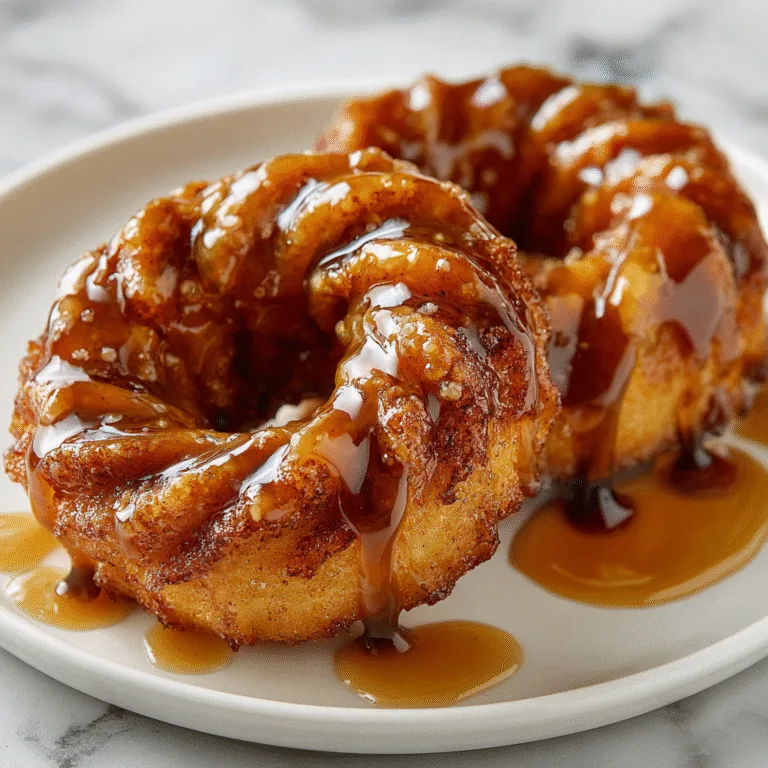
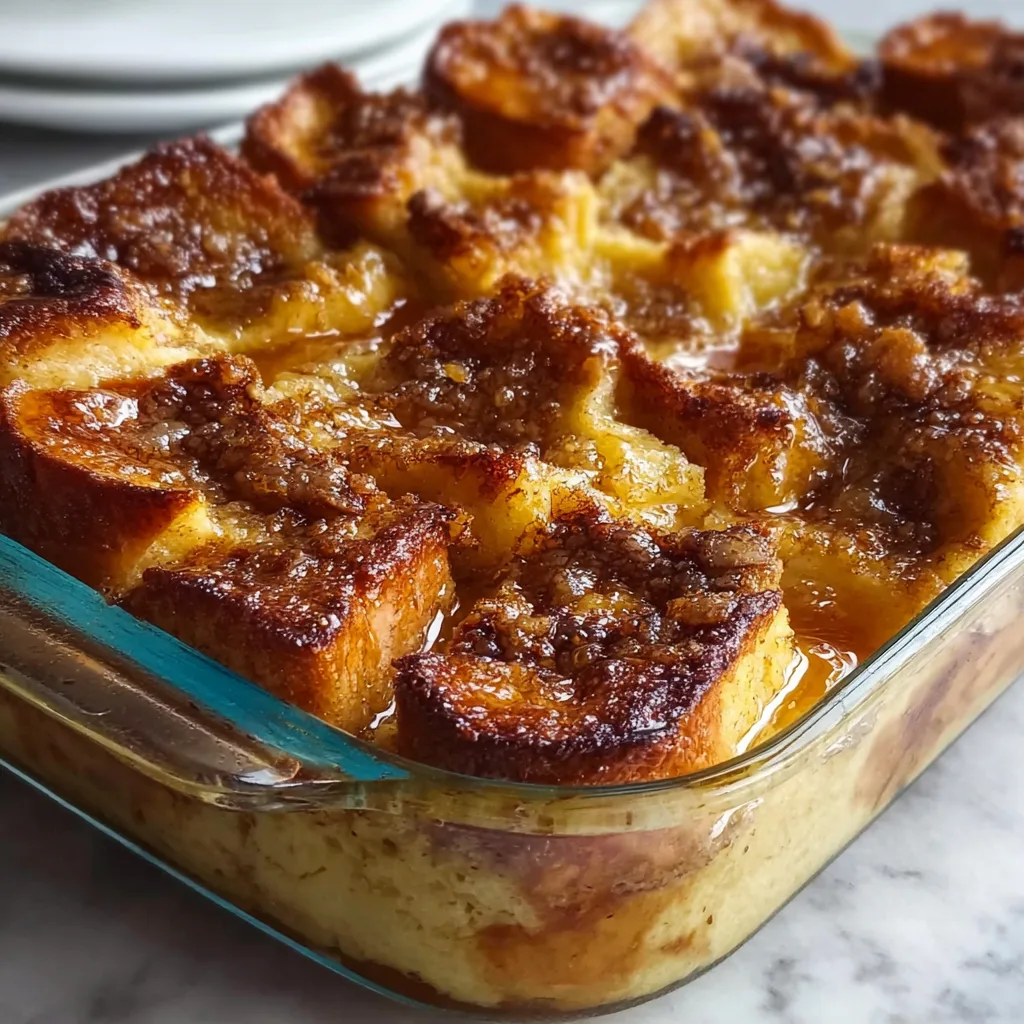
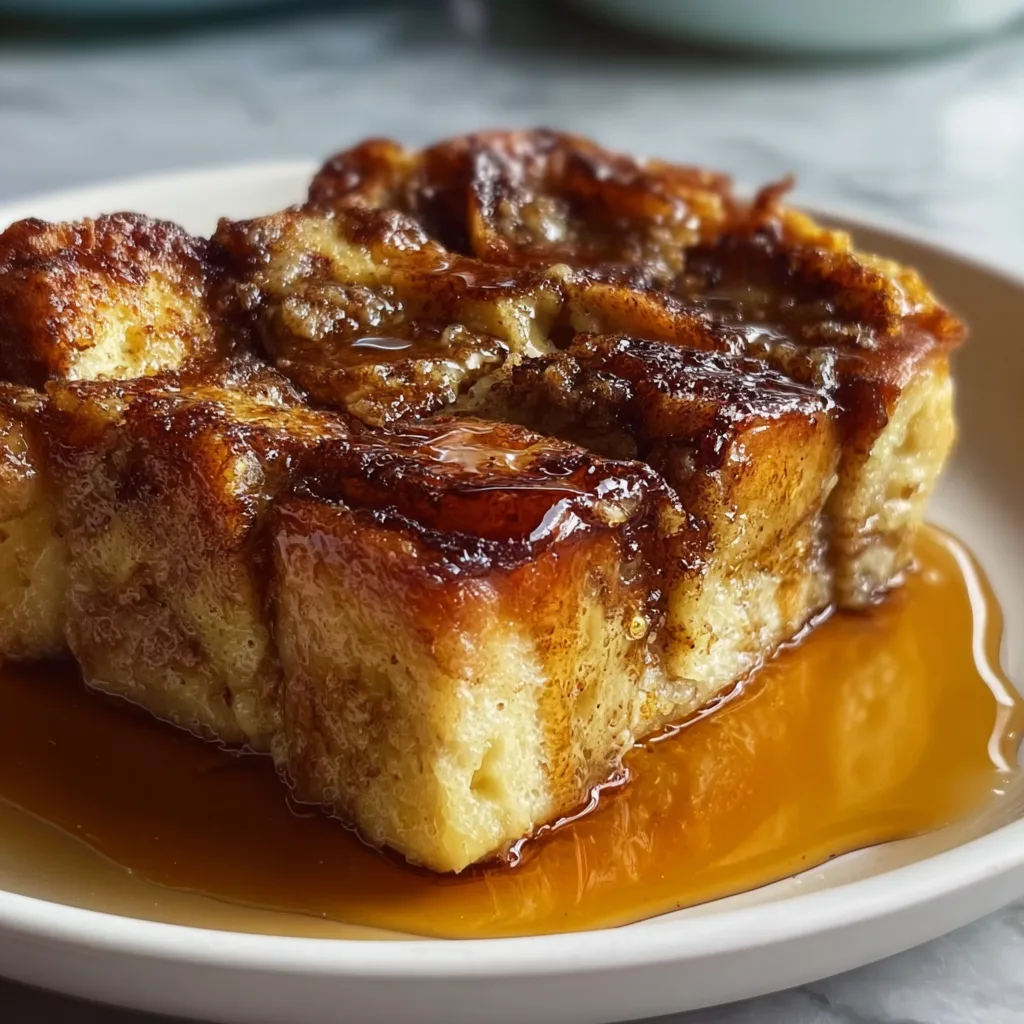
This make-ahead breakfast casserole transforms ordinary bread into a custardy, golden masterpiece that rivals any restaurant brunch. The thick, gooey texture combined with the rich flavors of vanilla and cinnamon creates a breakfast experience that feels both indulgent and comforting. Whether you’re hosting overnight guests, planning a special holiday breakfast, or simply wanting to streamline your morning routine, this recipe delivers consistent, delicious results every time.
The Magic Behind Overnight French Toast Casserole
The secret to achieving the perfect overnight French toast casserole lies in understanding the science behind custard formation. When bread soaks overnight in the egg and cream mixture, it undergoes a remarkable transformation. The proteins in the eggs coagulate slowly, creating a custard-like base that binds everything together, while the starches in the bread break down slightly, allowing for better absorption of the liquid mixture.
This overnight resting period is crucial for developing the signature texture that makes this dish so special. Unlike traditional French toast where each slice is individually dipped and cooked, the casserole method allows for even distribution of the custard mixture throughout every piece of bread. The result is a uniformly creamy interior with a gorgeously caramelized top that develops during baking.
The choice of bread plays a significant role in the final outcome. Day-old brioche, challah, or thick-cut French bread work exceptionally well because their sturdy structure can absorb the custard mixture without falling apart. The slightly stale texture actually benefits the dish, as it prevents the bread from becoming too soggy while still allowing for proper absorption of the flavorful liquid.
Essential Ingredients for Success
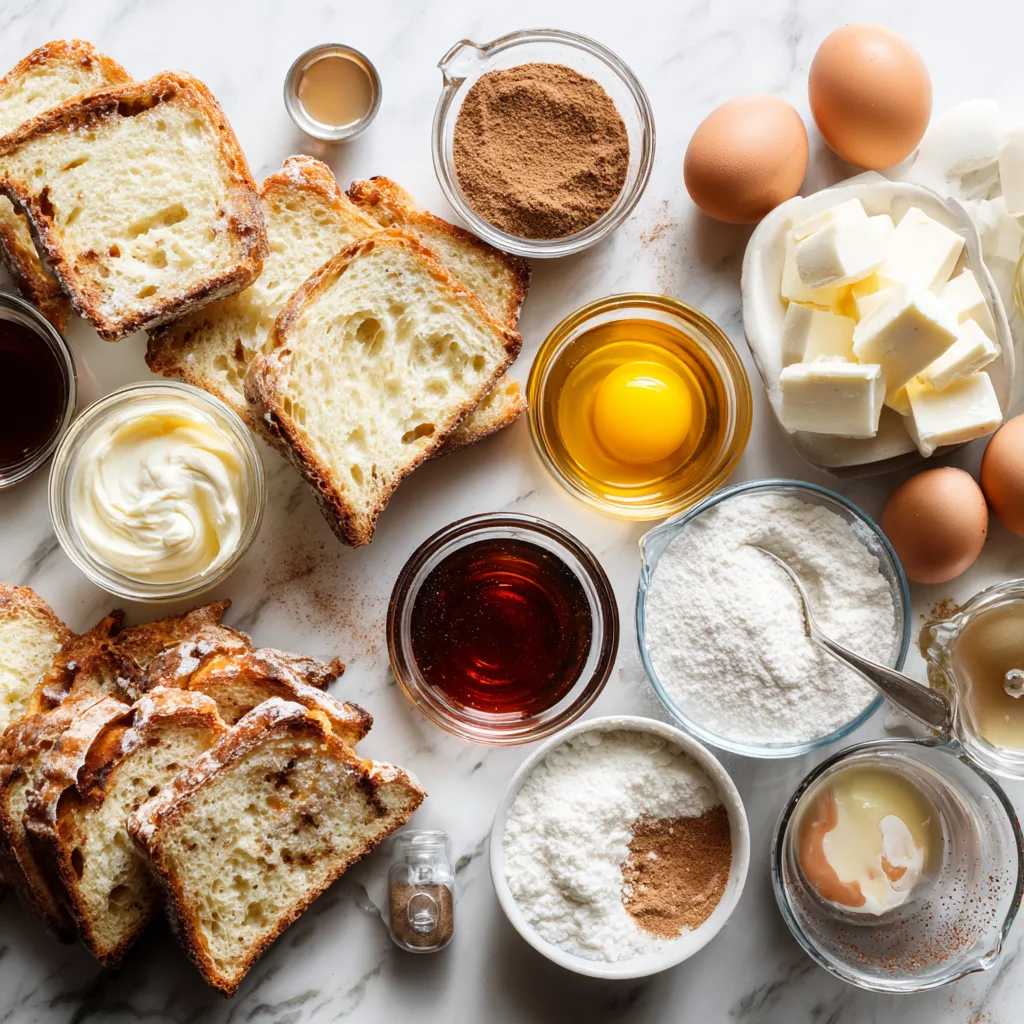
Creating the perfect overnight French toast casserole requires attention to ingredient quality and proportions. The foundation begins with choosing the right bread – thick slices of brioche or challah provide the ideal texture and flavor base. These enriched breads contain eggs and butter in their original recipe, which complement the custard mixture beautifully and create a more cohesive final product.
The custard mixture itself is where the magic happens. Fresh eggs provide the protein structure necessary for proper setting, while heavy cream adds richness and creates that luxurious mouthfeel we’re after. The ratio of eggs to dairy is critical – too many eggs result in a rubbery texture, while too few leave you with soggy bread that never properly sets.
Vanilla extract and cinnamon form the flavor backbone of this recipe, but the quality matters significantly. Pure vanilla extract provides depth and complexity that imitation vanilla simply cannot match, while freshly ground cinnamon offers a warmth and intensity that pre-ground versions lose over time. A touch of maple syrup in the custard mixture enhances the overall sweetness and adds subtle complexity that complements the other flavors perfectly.
Ingredients
- 8 thick slices brioche or challah bread
- 6 large eggs
- 1 1/2 cups heavy cream
- 1/2 cup whole milk
- 1/3 cup maple syrup
- 2 teaspoons vanilla extract
- 1 teaspoon ground cinnamon
- 1/4 teaspoon salt
- 3 tablespoons butter, melted
- 2 tablespoons brown sugar
- Extra maple syrup for serving
Instructions
- Grease a 9×13 inch baking dish with butter and arrange bread slices in a single layer, overlapping slightly if necessary.
- In a large bowl, whisk together eggs, heavy cream, milk, maple syrup, vanilla extract, cinnamon, and salt until completely smooth and well combined.
- Pour the custard mixture evenly over the bread slices, making sure each piece is thoroughly soaked. Press down gently to help absorption.
- Cover the baking dish tightly with plastic wrap and refrigerate for at least 4 hours or overnight for best results.
- Remove from refrigerator 30 minutes before baking and preheat oven to 350°F (175°C).
- Remove plastic wrap and drizzle melted butter over the top, then sprinkle with brown sugar for extra caramelization.
- Bake for 45-50 minutes until golden brown on top and set in the center, with no liquid custard remaining.
- Let cool for 5-10 minutes before serving with warm maple syrup and fresh berries if desired.
Overnight French Toast Casserole
Ingredients
Equipment
Method
- Grease a 9×13 inch baking dish with butter and arrange bread slices in a single layer, overlapping slightly if necessary.
- In a large bowl, whisk together eggs, heavy cream, milk, maple syrup, vanilla extract, cinnamon, and salt until completely smooth.
- Pour custard mixture evenly over bread slices, ensuring each piece is thoroughly soaked. Press down gently to help absorption.
- Cover tightly with plastic wrap and refrigerate for at least 4 hours or overnight for best results.
- Remove from refrigerator 30 minutes before baking and preheat oven to 350°F (175°C).
- Remove plastic wrap, drizzle with melted butter, and sprinkle with brown sugar.
- Bake for 45-50 minutes until golden brown on top and set in center with no liquid custard remaining.
- Let cool for 5-10 minutes before serving with warm maple syrup.
Notes
Perfecting Your Technique
The key to achieving restaurant-quality results lies in mastering a few critical techniques. First, ensure your bread is properly stale – day-old bread absorbs the custard mixture more effectively without becoming mushy. If your bread is too fresh, you can speed up the staling process by leaving slices out overnight or briefly toasting them until just dried but not browned.
When preparing the custard mixture, temperature matters. All ingredients should be at room temperature to ensure smooth blending and prevent the eggs from cooking when combined with warm dairy. Whisk the mixture thoroughly to eliminate any lumps and create a silky smooth custard that will distribute evenly throughout the casserole.
The overnight resting period cannot be rushed or shortened significantly. This time allows the bread to fully absorb the custard mixture and the flavors to meld together. For optimal results, aim for at least 8 hours of refrigeration, though the casserole can sit for up to 24 hours if needed for meal planning purposes.
Troubleshooting Common Issues
Even experienced cooks sometimes encounter challenges when making overnight French toast casserole. One of the most common issues is achieving the right balance between a set custard and maintaining moisture. If your casserole turns out too dry, it’s likely due to overbaking or using too much bread relative to the custard mixture. Monitor the baking process carefully and cover with foil if the top browns too quickly.
Conversely, if the center remains too liquid after the recommended baking time, continue cooking in 5-minute intervals until a knife inserted in the center comes out with just slightly moist crumbs. Remember that the casserole will continue cooking slightly from residual heat even after removing from the oven.
Texture issues often stem from ingredient temperature or mixing problems. Lumpy custard typically results from cold eggs being added to the mixture too quickly. Always allow eggs to come to room temperature and whisk constantly while combining ingredients to prevent curdling.
Creative Variations and Flavor Combinations
While the classic version is undeniably delicious, this recipe serves as an excellent foundation for creative variations. For chocolate lovers, try adding cocoa powder to the custard mixture and folding in chocolate chips before baking. The result is a decadent breakfast that feels more like dessert but maintains the comforting qualities of traditional French toast.
Fruit variations work beautifully with this recipe. Fresh or frozen berries can be scattered between bread layers, while sliced apples or pears add natural sweetness and interesting texture contrasts. When using fruit, reduce the maple syrup slightly to account for the additional natural sugars.
For those who enjoy more complex flavors, consider incorporating orange zest into the custard mixture for a citrusy brightness that cuts through the richness. Almond extract can be substituted for part of the vanilla to create a more sophisticated flavor profile that pairs particularly well with stone fruits.
Storage and Make-Ahead Tips
One of the greatest advantages of this recipe is its flexibility for meal planning and storage. The assembled but unbaked casserole can be stored in the refrigerator for up to 24 hours, making it perfect for holiday mornings or special occasions when you want to minimize morning preparation time.
For longer storage, the unbaked casserole can be frozen for up to three months. Wrap tightly with plastic wrap and aluminum foil, then thaw completely in the refrigerator overnight before baking. You may need to add 5-10 minutes to the baking time if the casserole is still slightly cold in the center.
Leftover baked casserole keeps well in the refrigerator for up to three days and reheats beautifully in the oven or microwave. For best results when reheating, cover with foil and warm in a 325°F oven until heated through, which helps maintain the custard texture without overcooking.
Final Thoughts on This Breakfast Masterpiece
This overnight French toast casserole represents everything wonderful about comfort food – it’s indulgent yet approachable, sophisticated yet familiar, and most importantly, it brings people together around the breakfast table. The combination of convenience and impressive results makes it a recipe you’ll return to again and again, whether for special occasions or simply to make ordinary mornings feel a bit more special.
The beauty of this recipe extends beyond its delicious taste to its practical benefits. By preparing the night before, you eliminate morning stress and create space for enjoying breakfast rather than rushing through preparation. The aroma alone creates anticipation and sets a welcoming tone for whatever the day may bring.
Remember that cooking is both an art and a science, and this recipe perfectly balances both elements. While following the measurements and techniques ensures consistent results, don’t be afraid to make small adjustments based on your family’s preferences or dietary needs. The foundation is solid enough to support creative variations while maintaining the essential character that makes this dish so beloved.