Vegan Pastitsio Recipe: The Ultimate Plant-Based Greek Comfort Food
Discover the magic of traditional Greek cuisine reimagined for modern plant-based eating with this incredible vegan pastitsio recipe. This comforting layered pasta bake combines tender tubular pasta, savory plant-based meat sauce, and creamy dairy-free béchamel to create a dish that rivals any traditional version. Whether you’re a long-time vegan, exploring plant-based options, or simply looking to expand your culinary repertoire, this Mediterranean masterpiece delivers bold flavors and satisfying textures that will have everyone at your table asking for seconds. Perfect for family dinners, meal prep, or impressing guests with your cooking skills, vegan pastitsio proves that comfort food can be both delicious and compassionate.
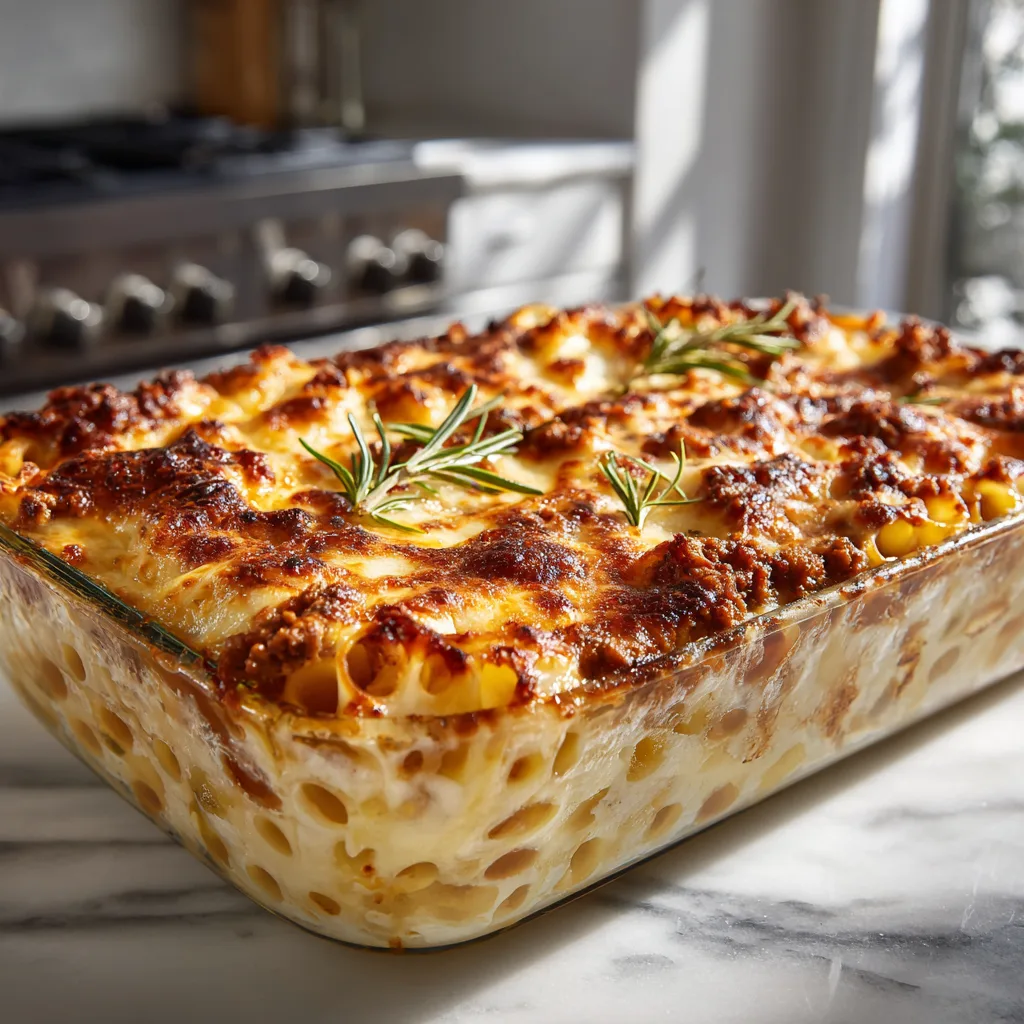
What Makes Vegan Pastitsio So Special?
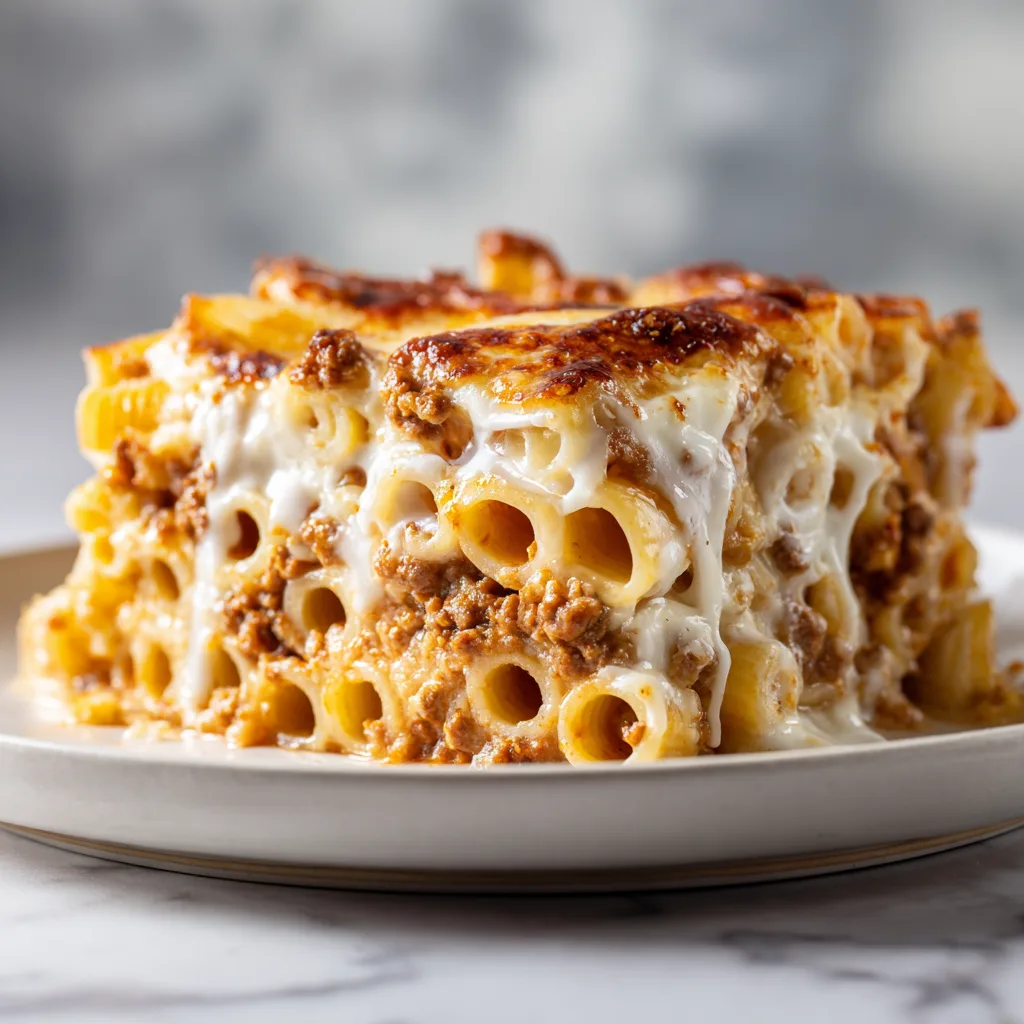
Pastitsio holds a cherished place in Greek cuisine as the ultimate comfort food, often prepared for Sunday family gatherings and special celebrations. This layered pasta casserole traditionally features ground meat, but our vegan version captures all the essence and satisfaction of the original while being completely plant-based. The beauty of vegan pastitsio lies in its complex layering technique that creates distinct textural experiences in every bite. The bottom layer features perfectly cooked tubular pasta coated in rich tomato-based plant protein sauce, while the top layer showcases a golden, creamy béchamel that bakes to perfection. What truly sets this dish apart is how the flavors meld together during baking, creating a harmonious blend of Mediterranean spices, savory umami notes, and creamy richness. The visible layers make for a stunning presentation when you cut into the baked casserole, revealing stripes of pasta, meat sauce, and golden topping that look as impressive as they taste. Many people who try vegan pastitsio for the first time are amazed at how closely it mirrors the traditional version, proving that plant-based cooking can deliver authentic flavors and textures without compromise.
The Rich History Behind This Mediterranean Classic
Pastitsio emerged in Greece during the early twentieth century, inspired by Italian lasagna but adapted with distinctly Greek flavors and ingredients. The name itself comes from the Italian “pasticcio,” meaning a mix or medley, which perfectly describes this layered pasta creation. Traditional Greek households have passed down pastitsio recipes through generations, with each family adding their own special touches and secret ingredients. The dish gained popularity throughout Greece as a celebration food, appearing at weddings, baptisms, and holiday feasts where its impressive appearance and crowd-pleasing flavors made it a natural centerpiece. Greek immigrants brought pastitsio recipes to communities around the world, spreading this comfort food classic to new audiences who quickly fell in love with its unique combination of flavors. In recent years, as plant-based eating has grown in popularity, creative cooks have developed vegan versions that honor the traditional preparation methods while substituting animal products with thoughtfully chosen plant-based alternatives. This evolution demonstrates how classic recipes can adapt to modern dietary preferences while maintaining their cultural significance and delicious appeal. Our vegan pastitsio recipe respects the traditional techniques that make this dish special while embracing the innovation that allows more people to enjoy this Greek treasure regardless of their dietary choices.
Essential Ingredients for Perfect Vegan Pastitsio
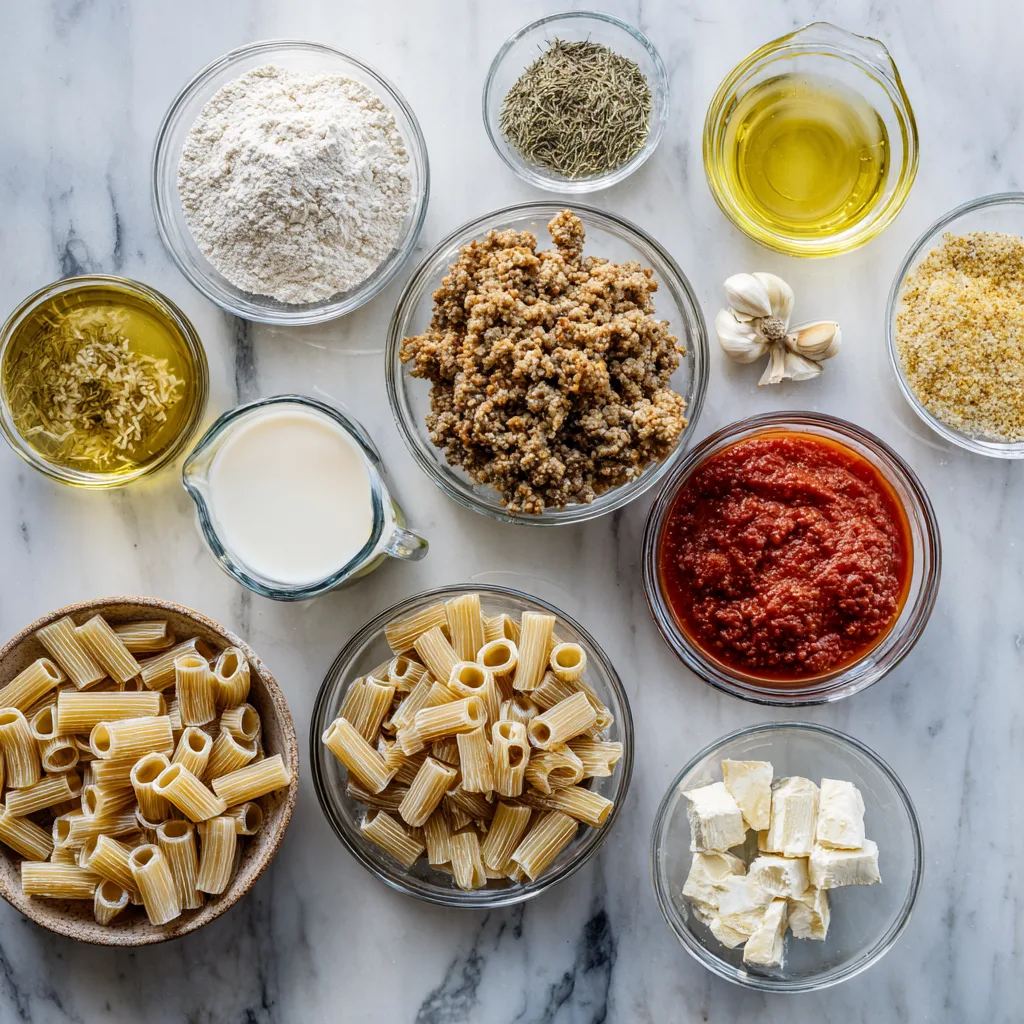
Creating authentic vegan pastitsio requires carefully selected ingredients that work together to replicate the traditional flavors and textures. For the pasta layer, tubular pasta like rigatoni, penne, or traditional pastitsio tubes provides the ideal structure, as their hollow centers trap sauce and create the signature striped appearance when sliced. The plant-based meat sauce foundation starts with high-quality vegan ground meat or textured vegetable protein that mimics the texture of ground beef while absorbing the rich tomato sauce and Mediterranean spices. Crushed tomatoes form the base of the sauce, providing natural sweetness and acidity that balances the savory elements, while tomato paste adds concentrated flavor and helps achieve the proper thick, gooey consistency. Aromatic vegetables including finely diced onions and minced garlic create the flavor foundation, releasing their essential oils when sautéed to build depth in the meat sauce. Dried oregano, cinnamon, and bay leaves deliver the characteristic Greek flavor profile, with the cinnamon adding an unexpected warmth that distinguishes Greek meat sauce from Italian versions. The crowning glory of vegan pastitsio is the béchamel sauce, made from plant-based butter, all-purpose flour, and unsweetened plant milk that cooks into a thick, creamy sauce with a glossy finish. Nutritional yeast adds a subtle cheesy flavor to the béchamel while providing B vitamins and additional protein, though it remains optional based on personal preference. Vegan parmesan cheese or cashew-based cheese adds the final touch of richness and helps achieve that golden, slightly crispy top layer that makes pastitsio so visually appealing when it emerges from the oven.
Ingredients
- 1 pound rigatoni or penne pasta
- 2 tablespoons olive oil
- 1 large onion, finely diced
- 4 cloves garlic, minced
- 1 pound vegan ground meat or TVP
- 1 can (28 oz) crushed tomatoes
- 2 tablespoons tomato paste
- 1 teaspoon dried oregano
- 1/2 teaspoon ground cinnamon
- 2 bay leaves
- Salt and pepper to taste
- 1/4 cup red wine (optional)
- 1/4 cup vegan butter
- 1/4 cup all-purpose flour
- 3 cups unsweetened plant milk
- 1/4 cup nutritional yeast
- 1/4 teaspoon nutmeg
- 1/2 cup vegan parmesan cheese
- Fresh rosemary for garnish
Step-by-Step Instructions for Foolproof Results
- Preheat your oven to 350°F (175°C) and lightly grease a 9×13 inch baking dish with olive oil or vegan butter to prevent sticking and ensure easy serving later.
- Bring a large pot of salted water to a rolling boil and cook the pasta according to package directions until al dente, then drain thoroughly and set aside while you prepare the other components.
- Heat olive oil in a large skillet over medium heat and add the diced onions, sautéing for 5-7 minutes until they become soft and translucent with slightly caramelized edges.
- Add minced garlic to the skillet and cook for an additional minute until fragrant, stirring constantly to prevent burning and release the aromatic oils.
- Crumble the vegan ground meat into the skillet and cook for 5-6 minutes, breaking it apart with a wooden spoon until it’s browned and develops a slightly crispy texture on some pieces.
- Stir in crushed tomatoes, tomato paste, oregano, cinnamon, bay leaves, salt, pepper, and optional red wine, then reduce heat and simmer for 15-20 minutes until the sauce thickens to a rich, gooey consistency.
- While the meat sauce simmers, prepare the béchamel by melting vegan butter in a medium saucepan over medium heat until it’s completely liquefied and begins to bubble slightly.
- Whisk the flour into the melted butter and cook for 2-3 minutes while stirring constantly to create a roux that will thicken the sauce without leaving a raw flour taste.
- Gradually pour in the plant milk while whisking continuously to prevent lumps from forming, then continue cooking and stirring until the sauce thickens enough to coat the back of a spoon.
- Remove the béchamel from heat and stir in nutritional yeast, nutmeg, salt, and pepper, mixing until the sauce is smooth, creamy, and has a glossy finish.
- Remove bay leaves from the meat sauce and taste for seasoning adjustments, adding more salt, pepper, or spices as needed to achieve your preferred flavor balance.
- Layer half of the cooked pasta in the bottom of your prepared baking dish, spreading it evenly to create a solid foundation for the subsequent layers.
- Pour the entire meat sauce mixture over the pasta layer and spread it evenly to the edges, ensuring every portion will have a good ratio of pasta to sauce.
- Add the remaining pasta on top of the meat sauce, arranging the tubes so they lay flat and create an even surface for the béchamel.
- Pour the béchamel sauce over the top pasta layer, using a spatula to spread it smoothly and completely cover all the pasta, then sprinkle vegan parmesan cheese over the entire surface.
- Bake uncovered for 45-50 minutes until the top turns golden brown with slightly darker caramelized spots around the edges and the sauce bubbles up through the layers.
- Remove from oven and let the pastitsio rest for 15-20 minutes before serving, as this resting period allows the layers to set and makes cutting clean portions much easier.
- Garnish with fresh rosemary sprigs and cut into squares, revealing the beautiful striped layers of pasta, meat sauce, and golden béchamel that define authentic pastitsio.
Vegan Pastitsio
Ingredients
Equipment
Method
- Preheat oven to 350°F (175°C) and lightly grease a 9×13 inch baking dish.
- Cook rigatoni pasta in salted boiling water until al dente minus 2 minutes. Drain and toss with olive oil.
- Heat olive oil in large skillet over medium-high heat. Sauté diced onion for 5-7 minutes until softened.
- Add minced garlic and cook 1 minute until fragrant.
- Add vegan ground meat, breaking apart and browning for 6-8 minutes until caramelized.
- Stir in tomato paste and cook 2 minutes, then add crushed tomatoes, vegetable broth, oregano, thyme, bay leaves, cinnamon, pepper, and salt.
- Add red wine if using and simmer 2 minutes. Reduce heat and simmer uncovered 20-25 minutes until thickened.
- For béchamel, melt vegan butter in saucepan over medium heat. Whisk in flour and cook 2-3 minutes to create golden roux.
- Gradually whisk in plant milk, adding slowly at first, then faster as sauce thickens. Cook 8-10 minutes until thick enough to coat spoon.
- Remove from heat and whisk in nutritional yeast, nutmeg, and pinch of salt.
- Spread half the pasta in prepared baking dish, arranging tubes vertically when possible.
- Remove bay leaves from meat sauce and spread entire mixture over first pasta layer.
- Layer remaining pasta over meat sauce, again arranging tubes upright.
- Pour béchamel sauce over top, spreading evenly to edges. Sprinkle with extra nutritional yeast.
- Place rosemary sprigs on top for garnish.
- Bake uncovered 45-50 minutes until top is golden brown with caramelized spots.
- Let rest 15-20 minutes before slicing into portions. Serve hot.
Notes
Pro Tips for Restaurant-Quality Vegan Pastitsio at Home
Achieving professional results with vegan pastitsio comes down to mastering a few key techniques and understanding how the ingredients work together. First, slightly undercook your pasta by one or two minutes less than the package directions suggest, as it will continue cooking in the oven and absorbing liquid from the sauces, preventing mushy pasta in the final dish. When preparing the meat sauce, allow it to simmer long enough that excess liquid evaporates and the sauce becomes thick and gooey rather than watery, which ensures clean slices and prevents a soggy bottom layer. The béchamel sauce requires patience and constant attention while whisking to prevent lumps and achieve that silky smooth texture that defines quality pastitsio. Make sure your béchamel reaches the proper thick consistency before adding it to the casserole, as it should coat a spoon heavily and slowly drip off rather than running like milk. For the most authentic flavor, don’t skip the cinnamon in the meat sauce even though it seems unusual, as this warm spice is essential to Greek-style meat sauce and provides a subtle complexity that sets pastitsio apart from Italian pasta bakes. Letting the finished pastitsio rest after baking is absolutely critical, as cutting into it immediately causes the layers to slide apart and creates messy servings, while resting allows everything to set properly for clean, impressive portions. Consider making pastitsio a day ahead and reheating it, as many Greeks believe it tastes even better the next day when the flavors have fully melded together. If you notice the top browning too quickly during baking, loosely tent aluminum foil over the dish to prevent burning while the interior continues cooking to perfection.
Creative Variations to Customize Your Pastitsio
While traditional vegan pastitsio is delicious on its own, experimenting with variations keeps this classic dish exciting and allows you to adapt it to different tastes and occasions. For a vegetable-packed version, add sautéed mushrooms, diced zucchini, or finely chopped spinach to the meat sauce, which increases nutritional value while adding extra texture and earthy flavors. Greek-style pastitsio sometimes includes a thin layer of vegan parmesan mixed with breadcrumbs between the meat sauce and béchamel, creating an additional textural element and helping prevent the béchamel from sinking into the pasta. Spice lovers can add red pepper flakes or a pinch of cayenne to the meat sauce for a subtle heat that complements the warm cinnamon notes beautifully. For a more decadent version, stir some cashew cream into your béchamel sauce to create an even richer, more luxurious topping that browns to an incredibly appealing golden color. Mediterranean herb enthusiasts might add fresh basil or parsley to the meat sauce just before assembling the dish, providing bright herbal notes that lighten the rich flavors. Some modern variations incorporate roasted red peppers or sun-dried tomatoes into the meat sauce for additional Mediterranean flair and concentrated sweet-savory notes. For special occasions, consider adding a middle layer of sautéed eggplant slices, which is traditional in some regional Greek variations and adds wonderful smoky depth. Individual portions baked in ramekins or small casserole dishes make impressive presentations for dinner parties and allow guests to enjoy their own personal pastitsio with perfectly crispy edges all around.
Serving Suggestions and Perfect Pairings
Vegan pastitsio shines as a complete meal on its own, but thoughtful accompaniments elevate the dining experience and provide complementary flavors and textures. A crisp Greek salad with fresh tomatoes, cucumbers, red onions, Kalamata olives, and vegan feta creates the perfect light, refreshing contrast to the rich, hearty pastitsio. Crusty bread or warm pita serves as an excellent vehicle for soaking up any extra sauce on the plate, and many Greeks consider bread an essential accompaniment to pastitsio. A simple side of sautéed or steamed green beans with lemon and garlic provides a bright, acidic note that cuts through the richness while adding nutritious vegetables to the meal. Roasted Mediterranean vegetables including bell peppers, eggplant, and zucchini drizzled with olive oil and herbs create a colorful, flavorful side that complements the Greek flavors in the pastitsio. For wine pairings, consider a medium-bodied red like a Greek Agiorgitiko or Italian Chianti, as their fruity notes and balanced acidity work beautifully with the tomato-based meat sauce and rich béchamel. White wine enthusiasts might prefer a crisp Assyrtiko or Pinot Grigio, especially during warmer months when lighter pairings feel more appropriate. Don’t forget the importance of garnishes, as a sprinkle of fresh herbs like parsley, oregano, or basil adds visual appeal and a burst of fresh flavor that brightens each bite. Some Greek families serve pastitsio with a dollop of dairy-free yogurt on the side, which provides cooling creaminess and tangy contrast to the savory casserole.
Storage Tips and Meal Prep Magic
One of the greatest advantages of vegan pastitsio is how well it stores and reheats, making it an ideal candidate for meal prep and batch cooking. Once completely cooled to room temperature, cover the baking dish tightly with plastic wrap or aluminum foil and store in the refrigerator for up to five days, where the flavors will continue to develop and meld together. Individual portions can be stored in airtight containers, which makes grabbing a quick lunch or dinner incredibly convenient and helps with portion control. For reheating refrigerated pastitsio, oven warming at 350°F for 20-25 minutes covered with foil produces the best results, as this method heats the dish evenly without drying out the top or creating hot spots. Microwave reheating works in a pinch, but add a splash of plant milk over the portion and cover it with a microwave-safe lid to prevent drying and help restore moisture to the béchamel. Freezing pastitsio extends its life significantly, allowing you to make a double batch and save half for future meals up to three months later. To freeze, let the baked and cooled pastitsio chill completely in the refrigerator first, then wrap tightly in plastic wrap followed by aluminum foil to prevent freezer burn and preserve flavor. Individual frozen portions thaw more quickly than a whole casserole, making them perfect for single servings when you need a comforting meal without extensive preparation. When ready to eat frozen pastitsio, thaw overnight in the refrigerator for best results, then reheat using the same oven method as refrigerated leftovers. You can also assemble pastitsio completely without baking, then freeze it unbaked and cook it directly from frozen by adding 20-30 extra minutes to the original baking time.
Health Benefits of Plant-Based Pastitsio
Choosing vegan pastitsio over traditional versions offers numerous health advantages while delivering the same satisfying comfort food experience. Plant-based meat alternatives typically contain less saturated fat and cholesterol compared to ground beef, making this version more heart-healthy while still providing substantial protein to keep you satisfied. The absence of dairy in the béchamel eliminates lactose, making this dish accessible to those with dairy sensitivities or lactose intolerance who might otherwise miss out on this Greek classic. Whole grain pasta can easily replace regular pasta for added fiber, B vitamins, and minerals, which support digestive health and provide sustained energy throughout the day. The tomato-based meat sauce delivers lycopene, a powerful antioxidant that research suggests may support heart health and reduce inflammation in the body. Nutritional yeast in the béchamel provides vitamin B12, which is often lacking in vegan diets and is essential for neurological function and red blood cell production. The aromatic vegetables and herbs contribute phytonutrients and antioxidants that support overall health and immune function. By controlling the ingredients yourself, you can adjust salt levels and avoid excess sodium often found in restaurant versions or pre-made sauces. The plant-based proteins used in vegan pastitsio are generally more environmentally sustainable than animal proteins, allowing you to enjoy comfort food while reducing your ecological footprint. Despite being healthier, vegan pastitsio remains wonderfully indulgent and satisfying, proving that nutritious food doesn’t have to sacrifice flavor or comfort.
Bringing Greek Tradition to Your Plant-Based Kitchen
Vegan pastitsio represents the beautiful intersection of traditional cuisine and modern dietary innovation, showing how classic recipes can evolve while maintaining their essential character and appeal. This dish invites you to explore Greek flavors and cooking techniques through a plant-based lens, making Mediterranean cuisine accessible regardless of dietary restrictions or ethical food choices. The layered construction and careful preparation required to create pastitsio encourages mindful cooking and appreciation for the time-honored methods that have made this dish a beloved classic for generations. Sharing a pan of homemade vegan pastitsio with family and friends creates opportunities for connection over food, continuing the Greek tradition of gathering around the table for nourishing meals and meaningful conversation. Whether you’re new to vegan cooking or a seasoned plant-based chef, this recipe offers a satisfying challenge that rewards you with impressive results and delicious leftovers throughout the week. The versatility of pastitsio means you can make it your own while respecting its roots, adding personal touches that reflect your taste preferences while honoring the Greek cooks who perfected this layered pasta casserole. As you cut into that first golden-brown slice and reveal the beautiful layers within, you’ll understand why pastitsio has earned its place as a cornerstone of Greek comfort food and why its vegan adaptation deserves a spot in your regular meal rotation.