Perfect Prime Rib – Juicy, Tender & Holiday-Worthy
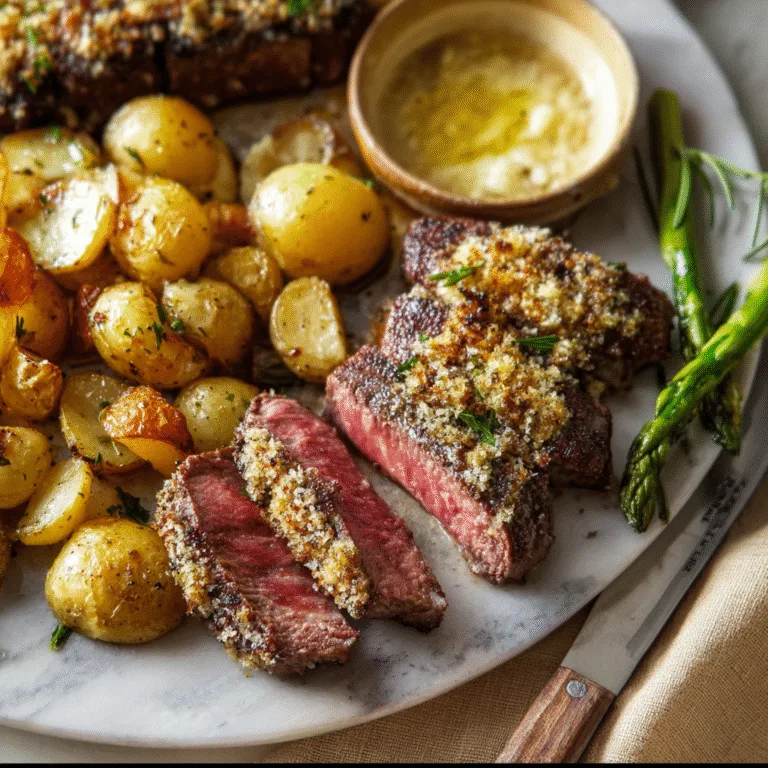
Few dishes make a statement quite like a beautifully cooked prime rib. Rich, juicy, and incredibly tender, this classic roast is the centerpiece of countless holiday tables and special occasions. When done right, prime rib delivers a melt-in-your-mouth texture paired with a flavorful crust that feels both luxurious and comforting.
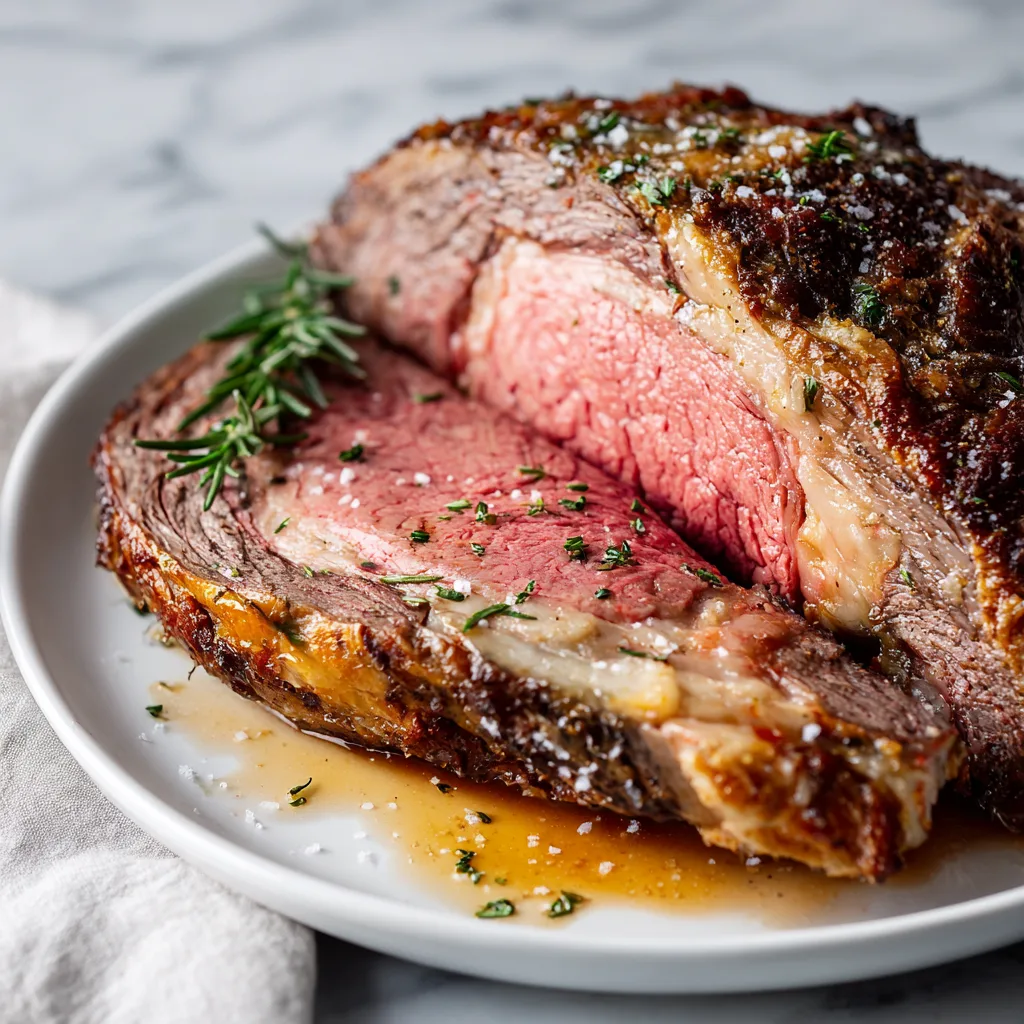
If you’ve ever felt intimidated by cooking a prime rib roast, you’re not alone. It has a reputation for being tricky, but the truth is, with the right technique and a little patience, you can achieve restaurant-quality results right in your own kitchen.
This guide will walk you through everything you need to know to make the perfect prime rib—one that’s juicy, tender, and absolutely unforgettable.
What Is Prime Rib?
Prime rib, also known as a standing rib roast, comes from the rib section of the cow. It’s prized for its marbling, which gives it incredible flavor and tenderness when cooked properly.

Despite the name, “prime” doesn’t always refer to the grade of meat—it’s the cut itself. However, if you can find USDA Prime grade, it will have even more marbling and richness.
Why Prime Rib Is Perfect for Special Occasions
There’s a reason prime rib is often associated with holidays and celebrations. It’s impressive, feeds a crowd, and feels indulgent without being overly complicated.
The slow roasting process fills your home with mouthwatering aromas, creating that cozy, festive atmosphere everyone loves. Plus, it pairs beautifully with a wide variety of sides, from creamy potatoes to fresh vegetables.
Ingredients
- 1 (4–6 lb) prime rib roast
- 4 cloves garlic, minced
- 3 tablespoons unsalted butter, softened
- 2 tablespoons olive oil
- 1 tablespoon fresh rosemary, chopped
- 1 tablespoon fresh thyme, chopped
- 2 teaspoons kosher salt
- 1 teaspoon black pepper

Instructions
- Remove the prime rib from the refrigerator and let it sit at room temperature for 1–2 hours before cooking. This ensures even cooking.
- Preheat your oven to 450°F (232°C).
- In a small bowl, mix butter, olive oil, garlic, rosemary, thyme, salt, and pepper into a paste.
- Pat the roast dry with paper towels.
- Rub the herb butter mixture generously over the entire roast.
- Place the roast bone-side down in a roasting pan or on a rack.
- Roast at 450°F for 20 minutes to develop a crust.
- Reduce the oven temperature to 325°F (163°C) and continue roasting for about 15–20 minutes per pound.
- Use a meat thermometer to check doneness:
- Rare: 120–125°F
- Medium-rare: 130–135°F
- Medium: 135–140°F
- Remove the roast from the oven and let it rest for at least 20–30 minutes before slicing.
- Slice against the grain and serve with pan juices or au jus.
Perfect Prime Rib
Ingredients
Equipment
Method
- Bring roast to room temperature.
- Season with herb butter.
- Roast at high heat, then reduce temperature.
- Cook to desired doneness and rest before slicing.
Notes
The Secret to a Perfect Prime Rib
The key to achieving that perfect balance of crispy crust and juicy interior lies in temperature control and resting time.
Starting with a high heat creates that beautiful outer crust, while finishing at a lower temperature ensures the inside cooks evenly. Resting the meat allows the juices to redistribute, preventing dryness when slicing.
Choosing the Right Cut
When selecting your roast, look for good marbling—those thin streaks of fat throughout the meat. This is what gives prime rib its signature flavor and tenderness.
Bone-in roasts tend to be more flavorful and help insulate the meat during cooking, while boneless roasts are easier to carve.
Tips for Success
- Use a thermometer: It’s the most reliable way to avoid overcooking.
- Don’t skip resting time: This step is essential for juicy results.
- Season generously: A well-seasoned crust makes all the difference.
- Let it come to room temperature: This ensures even cooking throughout.
Flavor Variations
While classic herb seasoning is timeless, you can customize your prime rib to suit your taste.
Garlic crust: Add extra garlic and a touch of parmesan.
Spicy rub: Include chili flakes or cayenne for heat.
Mustard glaze: Brush with Dijon mustard before adding herbs for a tangy twist.
Serving Suggestions
Prime rib pairs beautifully with a variety of side dishes.
Serve it with mashed potatoes, roasted vegetables, or a fresh green salad. Yorkshire pudding is a traditional favorite, especially for soaking up the flavorful juices.
A simple au jus or horseradish sauce can elevate the dish even further.
Storing and Reheating
Leftover prime rib can be stored in the refrigerator for up to 3–4 days.
To reheat, use a low oven temperature and cover the meat to retain moisture. Avoid microwaving if possible, as it can dry out the meat.
You can also use leftovers for sandwiches, salads, or even hearty soups.
Why This Recipe Works
This method keeps things simple while delivering incredible results. By focusing on quality ingredients and proper technique, you allow the natural flavor of the beef to shine.
The combination of garlic, herbs, and butter enhances the meat without overpowering it, creating a perfectly balanced dish.
A Show-Stopping Centerpiece
Perfect Prime Rib isn’t just a meal—it’s an experience. From the aroma as it roasts to the moment it’s sliced and served, it brings people together in the best way.
Whether it’s for a holiday gathering, a celebration, or simply a special dinner at home, this recipe ensures your prime rib will be juicy, tender, and absolutely unforgettable.