BEST Classic Italian Tiramisu (Complete Guide)
There are desserts… and then there is Classic Italian Tiramisu.
Creamy, delicate, lightly sweet, and layered with espresso-soaked ladyfingers and rich mascarpone cream, tiramisu is one of Italy’s most iconic desserts. Its name literally means “pick me up” — thanks to the combination of coffee and cocoa that delivers both flavor and energy.
In this complete guide, you’ll learn how to make the best authentic tiramisu recipe from scratch — with traditional techniques, ingredient tips, pro secrets, and troubleshooting advice to guarantee perfect results every time.
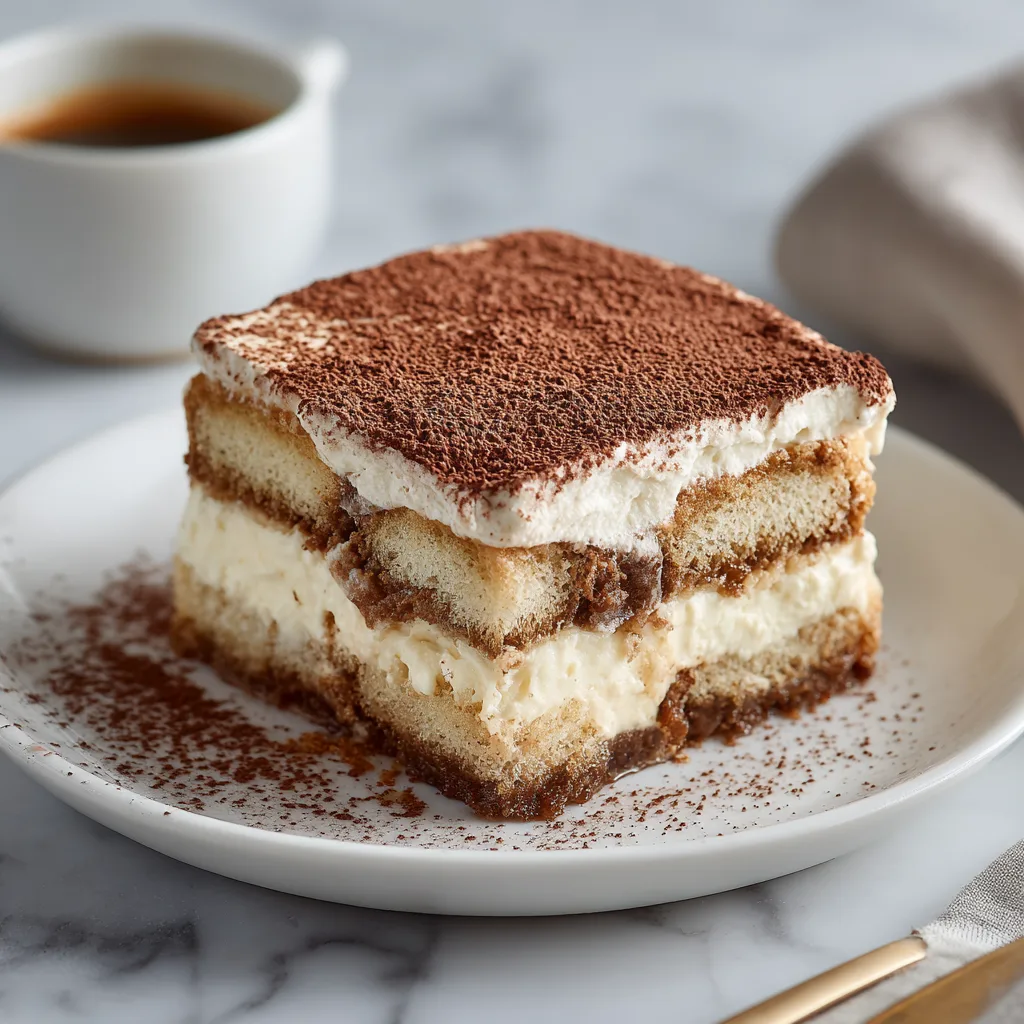
If you’ve ever wondered why restaurant tiramisu tastes better than homemade versions, the answer is balance. When done correctly, tiramisu is never overly sweet, never soggy, and never heavy. It should be light, creamy, and elegantly structured.
Let’s master it together.
What Is Classic Italian Tiramisu?
Traditional tiramisu is a no-bake Italian dessert made with:
- Savoiardi (ladyfingers)
- Freshly brewed espresso
- Mascarpone cheese
- Egg yolks and sugar
- Whipped egg whites or cream
- Cocoa powder
Unlike many modern variations, authentic Italian tiramisu does not contain cream cheese or heavy stabilizers. The texture relies on properly whipped eggs and high-quality mascarpone.
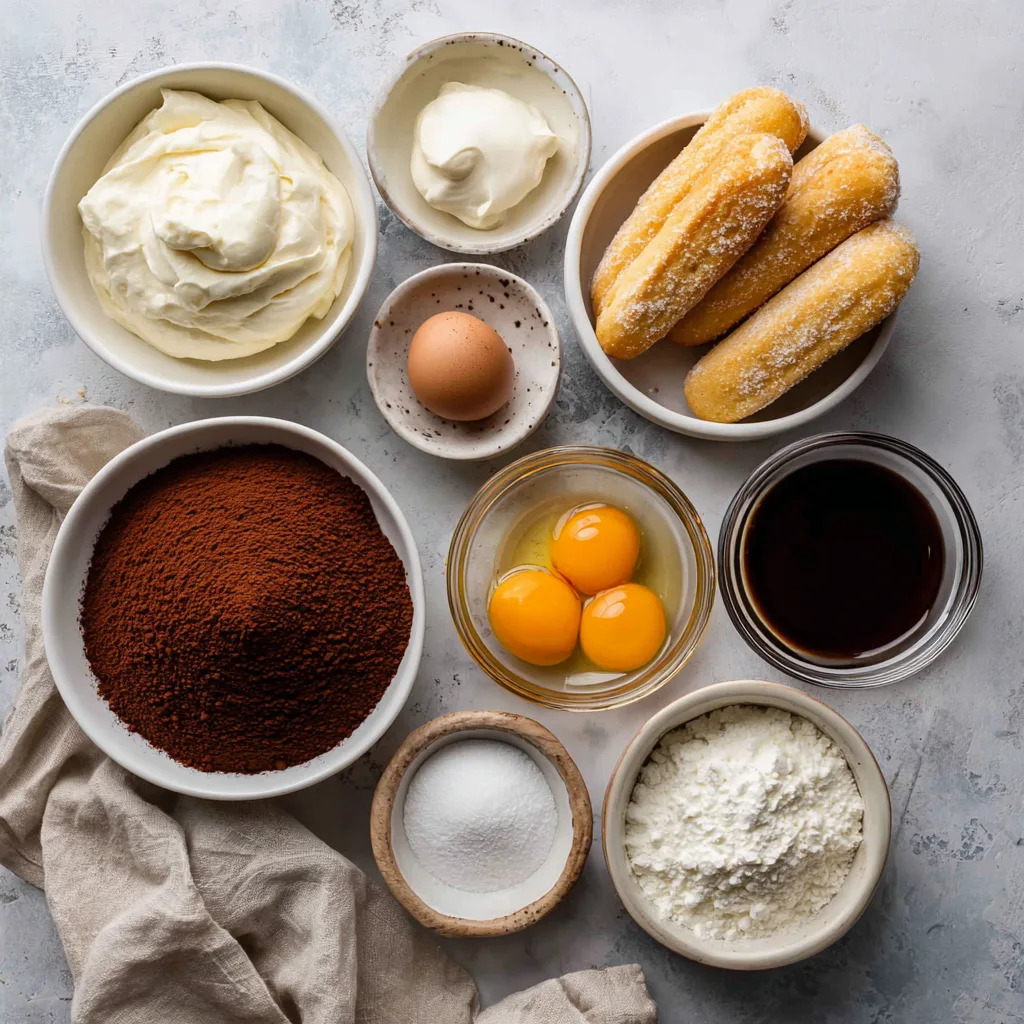
Ingredients
- 6 large egg yolks
- 3/4 cup granulated sugar
- 1 1/4 cups mascarpone cheese (room temperature)
- 1 cup heavy cream (optional but helps stabilize)
- 1 1/2 cups strong espresso, cooled
- 2 tbsp coffee liqueur (optional)
- 24–30 ladyfingers (savoiardi)
- Unsweetened cocoa powder (for dusting)
- 1 tsp vanilla extract (optional, not traditional but subtle)
Ingredient Breakdown & Authenticity Notes
Mascarpone Cheese
This Italian cream cheese is essential. It’s smoother, richer, and less tangy than American cream cheese.
Egg Yolks
They create the luscious custard-like base.
Ladyfingers (Savoiardi)
These dry sponge biscuits absorb espresso while maintaining structure.
Espresso
Strong, bold coffee is key. Weak coffee results in bland tiramisu.
Cocoa Powder
Use unsweetened for balance and classic flavor.
Step-by-Step Instructions
1. Prepare the Espresso
Brew strong espresso and allow it to cool completely. Stir in coffee liqueur if using.
2. Whisk Egg Yolks and Sugar
In a heatproof bowl set over simmering water (double boiler), whisk egg yolks and sugar until pale and thick, about 5–7 minutes. The mixture should ribbon when lifted.
Remove from heat and let cool slightly.
3. Add Mascarpone
Gently fold mascarpone into the yolk mixture until smooth and creamy. Avoid overmixing to prevent curdling.
4. Whip Cream (Optional but Recommended)
Whip heavy cream to soft peaks and gently fold into mascarpone mixture for added lightness.
5. Dip Ladyfingers
Quickly dip each ladyfinger into cooled espresso — 1–2 seconds per side. Do not soak.
6. Layer
Arrange dipped ladyfingers in a single layer in an 8×8-inch dish. Spread half the mascarpone cream over top. Repeat with another layer of dipped ladyfingers and remaining cream.
7. Chill
Cover and refrigerate at least 6 hours, preferably overnight.
8. Finish with Cocoa
Before serving, dust generously with unsweetened cocoa powder using a fine sieve.
BEST Classic Italian Tiramisu (Complete Guide)
Ingredients
Equipment
Method
- Prepare espresso and allow to cool.
- Whisk egg yolks and sugar over double boiler until thick.
- Fold in mascarpone until smooth.
- Whip cream and fold gently into mixture.
- Dip ladyfingers quickly in espresso.
- Layer ladyfingers and mascarpone mixture.
- Refrigerate at least 6 hours.
- Dust with cocoa before serving.
Notes
The Secret to Perfect Texture
The biggest mistake? Oversoaking ladyfingers.
They should be moist but still slightly structured. If fully saturated, the tiramisu becomes mushy and collapses when sliced.
Quick dip. That’s it.
Traditional vs Modern Tiramisu
Authentic Italian tiramisu:
- No cream cheese
- No gelatin
- No heavy frosting layer
- Balanced sweetness
Modern adaptations sometimes use whipped cream or cream cheese for stability. Both work, but purists stick to mascarpone and eggs.
How Long Should Tiramisu Chill?
Minimum: 6 hours
Best: 12–24 hours
The resting time allows:
- Flavors to blend
- Ladyfingers to soften properly
- Cream to set firmly
Patience makes perfection.
Pro Tips for BEST Results
Use Room Temperature Mascarpone
Cold mascarpone can cause lumps.
Don’t Overwhip Cream
Soft peaks blend smoothly.
Sift Cocoa Last Minute
Pre-dusting too early can absorb moisture and darken.
Slice with a Hot Knife
Dip knife in warm water and wipe clean between cuts.
Variations You Can Try
Alcohol-Free Tiramisu
Skip liqueur for a family-friendly version.
Chocolate Tiramisu
Add shaved dark chocolate between layers.
Berry Tiramisu
Add thin strawberry layers for a fruity twist.
Individual Cups
Layer in glasses for elegant presentation.
Storage Tips
- Refrigerate up to 3 days
- Keep tightly covered
- Not ideal for freezing (texture may change)
Why Is It Called “Tiramisu”?
The Italian phrase tirami su means “pick me up.” The caffeine from espresso combined with sugar and cocoa gives a subtle energy boost — and certainly lifts your mood.
Common Troubleshooting
Runny Cream?
Mascarpone overmixed or not chilled long enough.
Grainy Texture?
Mascarpone too cold or overheated.
Too Sweet?
Reduce sugar slightly next time — authentic tiramisu is not overly sweet.
Cultural Context
Tiramisu originated in the Veneto region of Italy in the 1960s and quickly became one of the most beloved Italian desserts worldwide. Its elegant simplicity reflects Italian culinary philosophy: few ingredients, high quality, perfect technique.
It’s now served in homes, cafés, and restaurants globally — but the classic version remains unmatched.
Final Thoughts
Mastering classic Italian tiramisu is about balance — coffee and cream, sweetness and bitterness, softness and structure.
When done right, every bite is silky, light, and perfectly layered.
This isn’t just a dessert. It’s an experience.
Make it once, and you’ll understand why it’s considered one of the best desserts in the world.