Irish Potato Farl: A Timeless Taste of Irish Comfort
Irish Potato Farl is one of the most beloved and enduring staples of traditional Irish cooking. Humble, comforting, and deeply rooted in history, this simple potato bread has nourished generations with just a handful of everyday ingredients. Crisp on the outside, soft and fluffy on the inside, potato farls are proof that the most comforting foods are often the simplest.
Unlike yeast breads that require time and precision, potato farls are quick to prepare and endlessly adaptable. They’re traditionally cooked on a griddle or skillet, sliced into quarters, and served warm with butter—or as part of a hearty Irish breakfast. Each bite carries warmth, nostalgia, and the unmistakable soul of Irish home cooking.
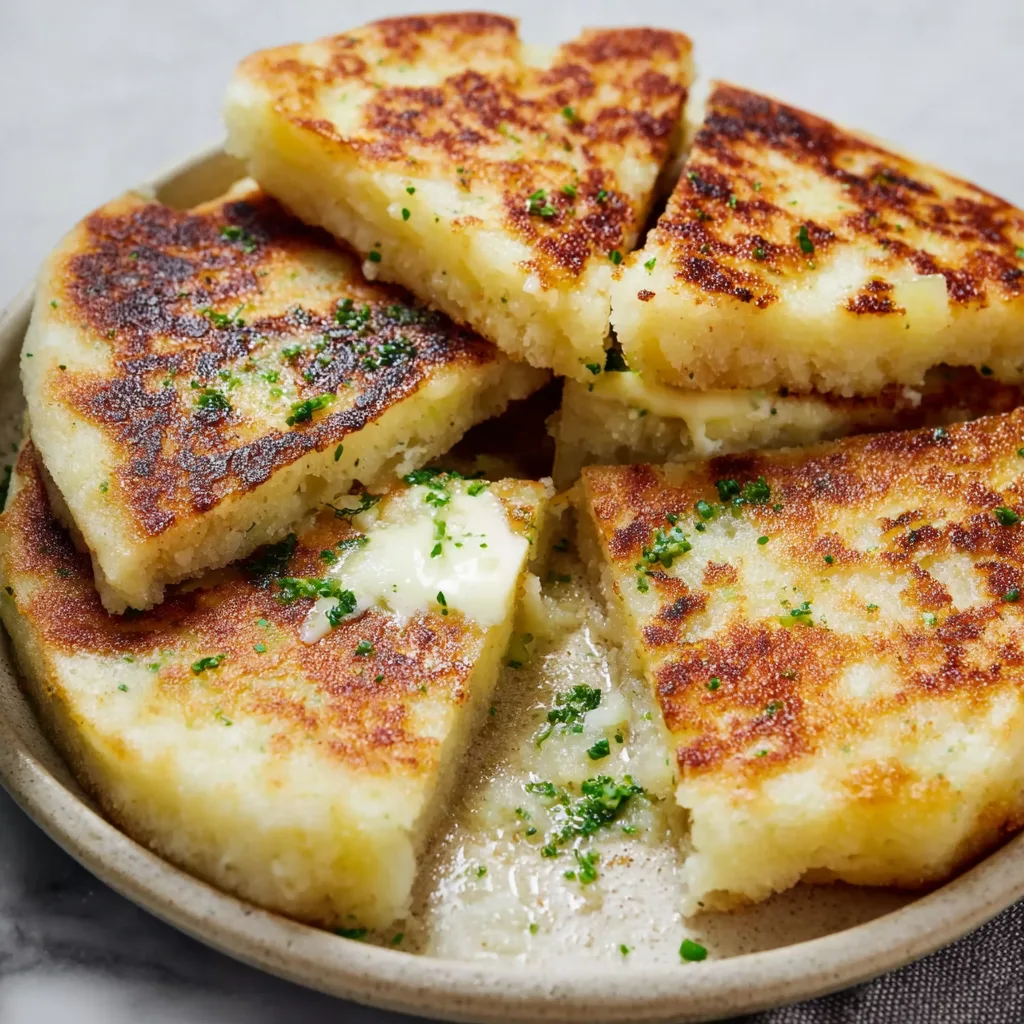
What Is a Potato Farl?
The word farl comes from the Scottish and Irish term fardel, meaning “four parts.” True to its name, potato farl dough is shaped into a round and cut into four triangular wedges before cooking.
Potato farls are:
- Made from mashed potatoes and flour
- Unleavened (no yeast required)
- Pan-cooked rather than baked
- Light, tender, and filling
They are closely related to other forms of Irish potato bread, but farls are unique in both shape and cooking method.
A Brief History of Irish Potato Farl
Potatoes became a cornerstone of Irish cuisine in the late 16th century, valued for their affordability, nutrition, and ability to grow in poor soil. Over time, creative and resourceful cooks found countless ways to transform leftover potatoes into satisfying meals—potato farls being one of the most enduring examples.
Traditionally, potato farls were made to avoid food waste, using leftover mashed potatoes from the previous day. Cooked on a hot griddle over an open fire, they became a reliable, comforting food for families across Ireland, especially in the north.
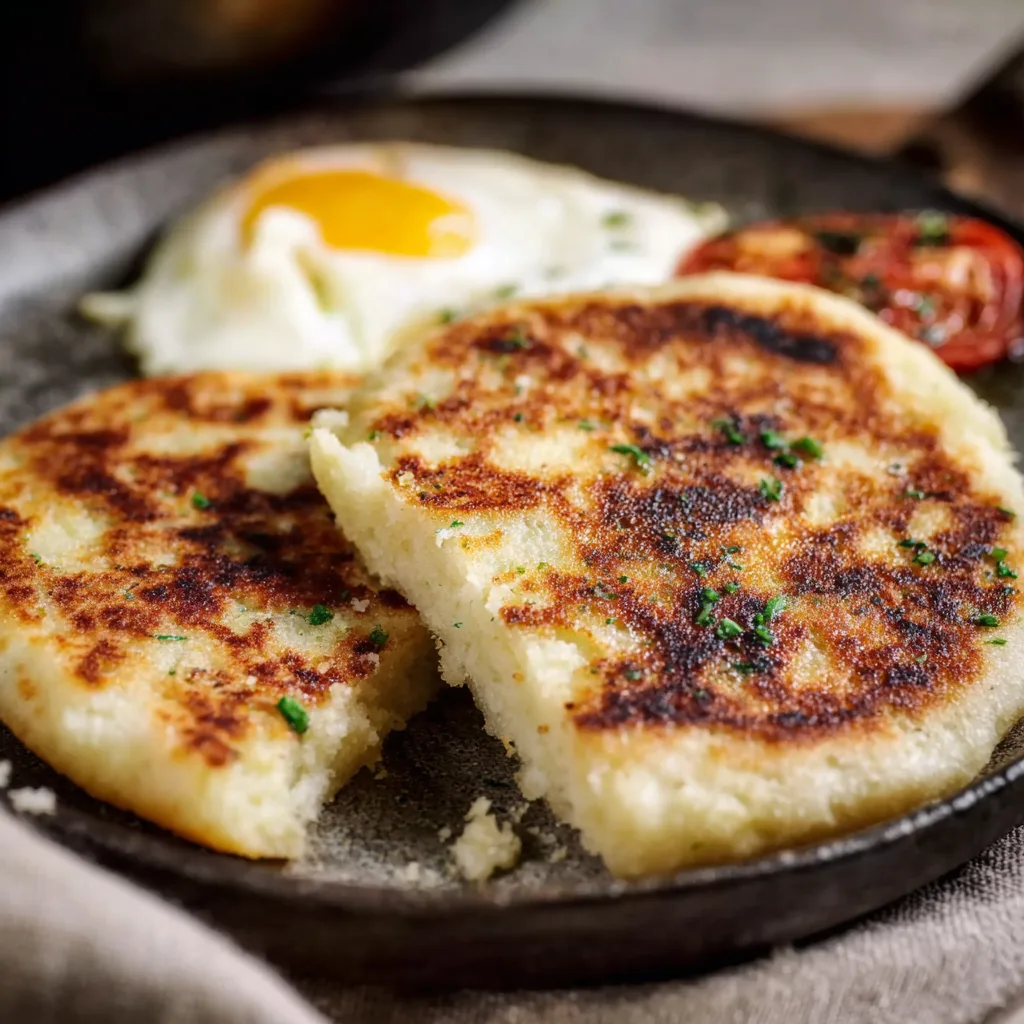
Today, potato farls remain a cherished part of Irish culinary culture, especially at breakfast tables.
Why Irish Potato Farls Are So Loved
Potato farls endure because they offer:
- Comforting simplicity with minimal ingredients
- Quick preparation without rising or baking
- Versatility for breakfast, lunch, or dinner
- Hearty texture that’s filling but not heavy
They’re rustic food at its best—unpretentious, satisfying, and deeply comforting.
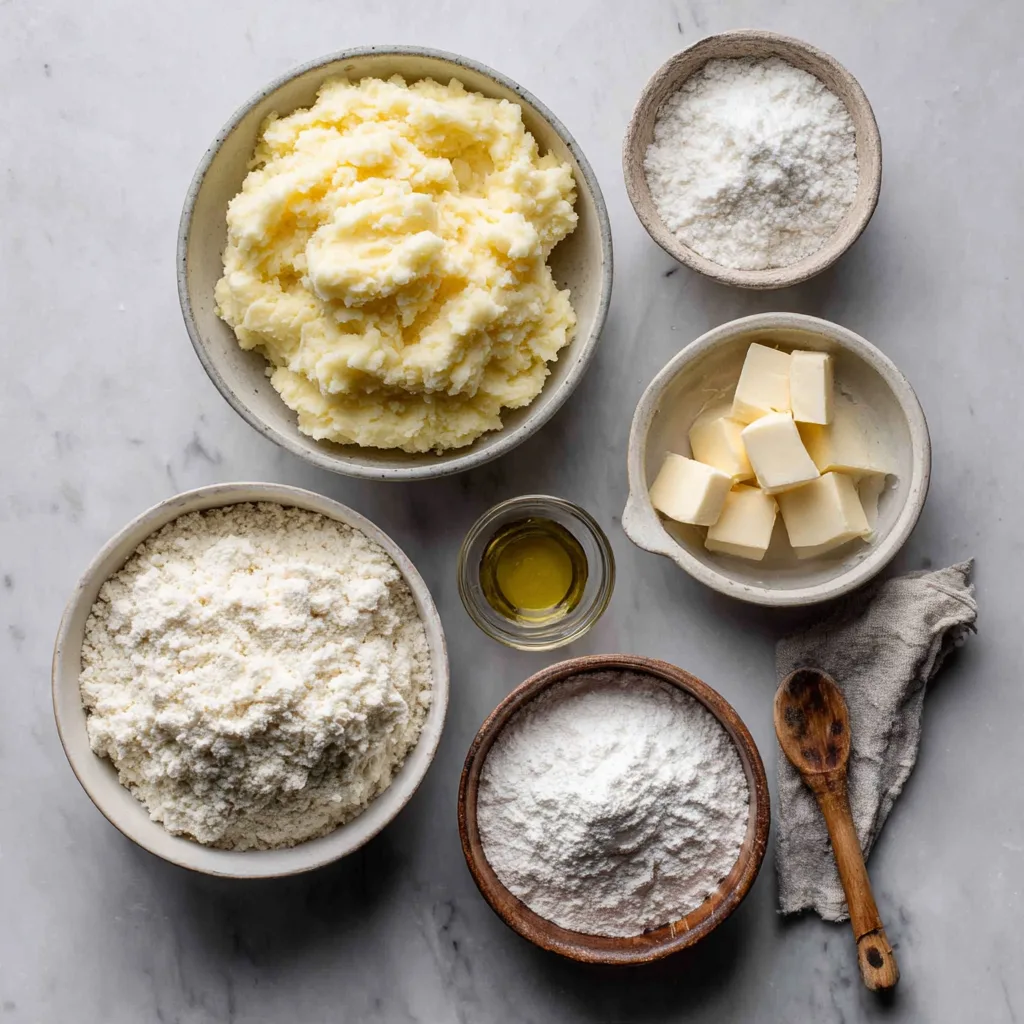
Ingredients
- Mashed potatoes (cooled, preferably leftover)
- All-purpose flour
- Unsalted butter
- Salt
Optional additions:
- Black pepper
- Chopped chives or scallions
Instructions
- In a bowl, combine mashed potatoes, flour, butter, and salt.
- Mix gently until a soft dough forms. Do not overwork.
- Turn dough onto a lightly floured surface and pat into a round about ½-inch thick.
- Cut the round into four equal triangular farls.
- Heat a lightly buttered skillet or griddle over medium heat.
- Cook farls for 3–4 minutes per side until golden and crisp.
- Serve hot with butter or as part of a meal.
Irish Potato Farl
Ingredients
Equipment
Method
- Mix mashed potatoes, flour, butter, and salt to form a soft dough.
- Shape dough into a round and cut into four wedges.
- Cook farls in a lightly buttered skillet until golden on both sides.
Notes
Texture & Flavor Breakdown
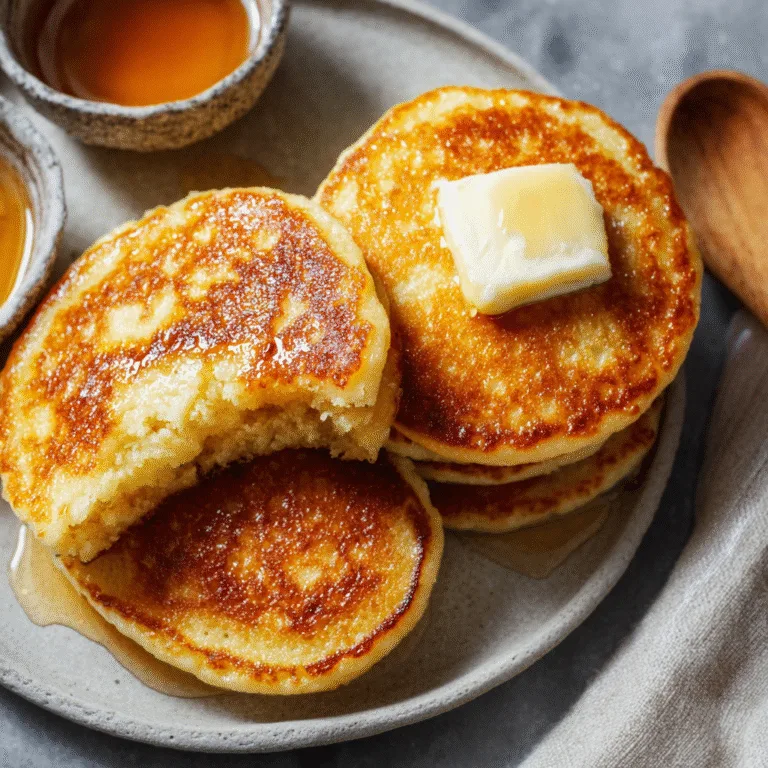
- Exterior: Lightly crisp and golden
- Interior: Soft, fluffy, and tender
- Flavor: Mild, buttery, and comforting
- Finish: Warm and satisfying
The balance between crisp edges and pillowy centers is what makes potato farls irresistible.
Mashed Potatoes Matter
For the best results:
- Use plain mashed potatoes (no milk-heavy mash)
- Let them cool before mixing
- Avoid overworking the dough
Leftover mashed potatoes are ideal, making this recipe both practical and economical.
Traditional vs Modern Cooking Methods
Traditional Method:
Cooked on a cast iron griddle or pan over open flame.
Modern Method:
Cooked in a nonstick or cast iron skillet on the stovetop.
Both methods deliver excellent results, but cast iron gives the best crust.
Serving Irish Potato Farls
Classic ways to enjoy potato farls:
- Slathered with butter
- Alongside eggs and bacon
- With smoked salmon
- As part of a full Irish breakfast
They also work beautifully with soups, stews, or as a bread substitute.
Variations to Try
- Cheese Farls: Add grated cheddar
- Herb Farls: Mix in chives or parsley
- Whole Wheat Farls: Substitute part of the flour
- Vegan Farls: Use plant-based butter
Each variation keeps the spirit of the dish intact while offering something new.
Storage & Reheating Tips
- Store cooked farls in the refrigerator for up to 3 days
- Reheat in a dry skillet for best texture
- Avoid microwaving to preserve crispness
They freeze well when wrapped individually.
Why Potato Farls Are Still Relevant Today
In a world of complex recipes, potato farls stand out for their honesty. They celebrate simplicity, frugality, and comfort—values that resonate just as strongly today as they did centuries ago.
They’re also naturally adaptable to modern kitchens and dietary needs, making them timeless in every sense.
Perfect for Beginners
This recipe is ideal for:
- Beginner cooks
- Budget-conscious households
- Quick breakfasts or sides
- Using up leftovers creatively
Few recipes deliver so much comfort with so little effort.
Final Thoughts
Irish Potato Farl is more than just bread—it’s a connection to tradition, warmth, and home. With its golden crust, soft interior, and humble ingredients, it captures the heart of Irish comfort food in every bite.
Once you try making potato farls at home, you’ll understand why they’ve stood the test of time.