Mango Sago (Creamy, Refreshing & Easy 30-Minute Dessert)
There’s something incredibly comforting about a dessert that’s both refreshing and indulgent at the same time. Mango Sago is exactly that kind of treat—a creamy, tropical delight that feels like a mini vacation in every spoonful. With its silky coconut base, juicy ripe mango chunks, and delicate chewy sago pearls, this dessert has earned its place as a beloved favorite across Asia and beyond.
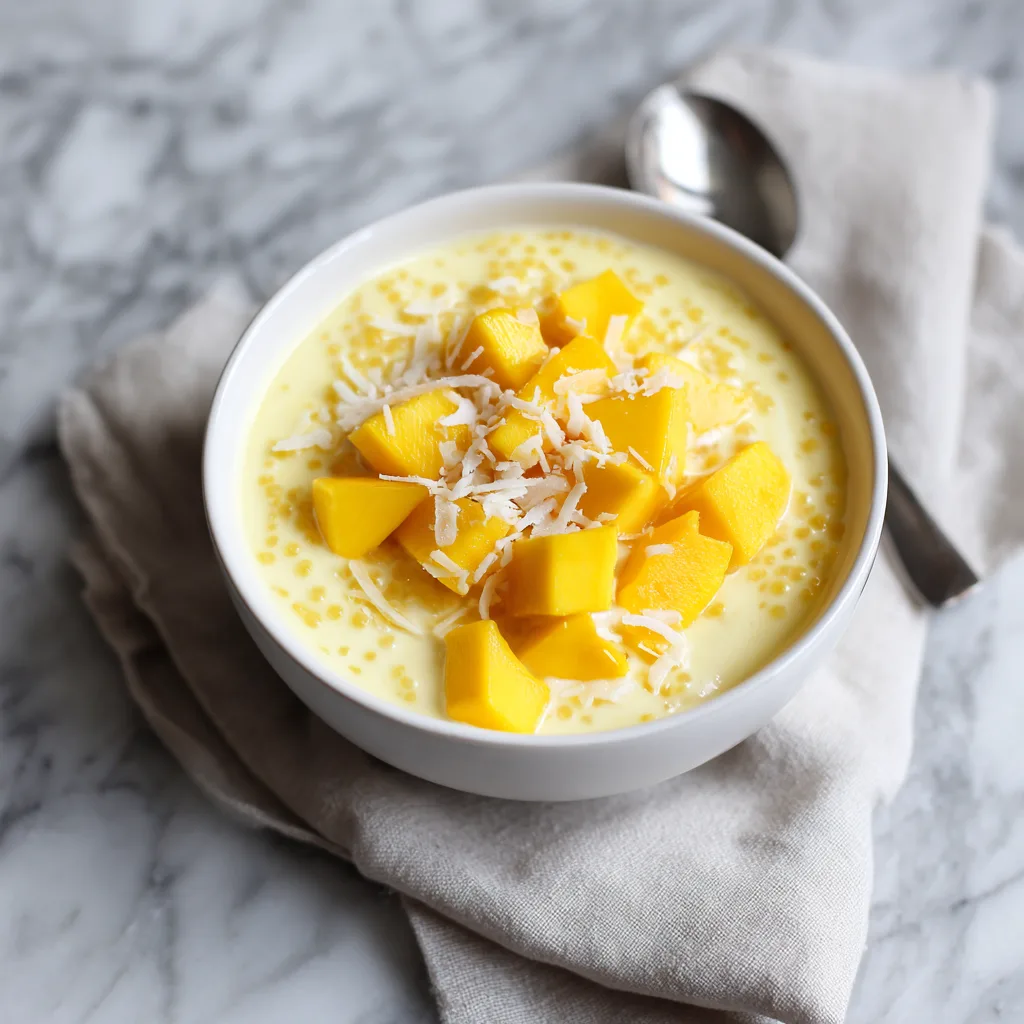
Whether you’re looking for a quick summer dessert, a light after-dinner treat, or something unique to impress your guests, Mango Sago checks all the boxes. Best of all, it comes together in just about 30 minutes, making it perfect for busy days when you still want something homemade and special.
What is Mango Sago?
Mango Sago is a chilled dessert made with tapioca pearls (often called sago), blended mango puree, coconut milk, and sometimes evaporated milk for extra richness. It originated in Hong Kong and quickly spread across Southeast Asia, becoming a staple in dessert shops and cafes.

The beauty of this dish lies in its simplicity. It uses just a handful of ingredients, yet delivers a complex balance of flavors and textures—sweet, creamy, fruity, and slightly chewy all at once.
Why You’ll Love This Mango Sago Recipe
- It’s incredibly quick and easy to make
- Perfect for hot weather or summer gatherings
- Naturally gluten-free
- Customizable with different fruits and toppings
- Requires minimal cooking and no baking
This dessert is especially popular during mango season when the fruit is at its sweetest and juiciest. But even outside of peak season, you can still enjoy it using frozen mango.
Ingredients
- 1 cup small sago pearls (tapioca pearls)
- 2 large ripe mangoes (diced)
- 1 cup mango puree (from blended mango flesh)
- 1 cup coconut milk
- ½ cup evaporated milk
- ¼ cup sugar (adjust to taste)
- 1 cup water (for blending if needed)
- Ice cubes (optional, for serving)

Instructions
- Bring a pot of water to a boil. Add the sago pearls and cook over medium heat, stirring occasionally to prevent sticking.
- Cook until the pearls turn mostly translucent with a tiny white center, about 10–15 minutes.
- Turn off the heat, cover the pot, and let the sago sit for another 5–10 minutes until fully translucent.
- Drain and rinse the sago under cold water to remove excess starch. Set aside.
- In a blender, combine mango chunks and a little water if needed. Blend until smooth to create a thick mango puree.
- In a large bowl, mix the mango puree, coconut milk, evaporated milk, and sugar. Stir until well combined.
- Add the cooked sago pearls into the mango mixture and mix gently.
- Fold in additional diced mango pieces for texture.
- Chill in the refrigerator for at least 30 minutes before serving.
- Serve cold, optionally with ice cubes or extra mango on top.
Mango Sago
Ingredients
Equipment
Method
- Boil sago pearls until translucent, then let sit covered.
- Rinse sago under cold water and drain.
- Blend mango into puree.
- Mix puree with coconut milk, evaporated milk, and sugar.
- Add sago and diced mango, stir well.
- Chill before serving.
Notes
The Secret to Perfect Mango Sago
The key to making the best Mango Sago lies in choosing the right mangoes. Look for varieties that are naturally sweet, fragrant, and non-fibrous. The smoother the mango flesh, the creamier your dessert will turn out.
Another important step is cooking the sago properly. Undercooked pearls will have a chalky center, while overcooked ones can become mushy. The goal is to achieve that perfect chewy texture that complements the creamy base.
Tips for Success
- Always rinse cooked sago in cold water to stop the cooking process
- Adjust sugar depending on how sweet your mangoes are
- Chill the dessert well before serving—it tastes best cold
- Use full-fat coconut milk for a richer flavor
- Dice mango into small cubes for better texture distribution
Delicious Variations
One of the best things about Mango Sago is how versatile it is. You can easily tweak the recipe to suit your taste or experiment with new flavors.
Mango Pomelo Sago
Add juicy pomelo segments for a slightly tangy contrast. This is one of the most popular variations and adds a refreshing citrus twist.
Tropical Fruit Mix
Combine mango with pineapple, kiwi, or dragon fruit for a colorful and vibrant dessert bowl.
Vegan Version
Skip the evaporated milk and use more coconut milk or almond milk for a fully plant-based version.
Extra Creamy Version
Add a scoop of coconut ice cream or vanilla ice cream for a richer, dessert-like experience.
Serving Suggestions
Mango Sago is best served chilled in small bowls or glasses. You can garnish it with:
- Extra mango cubes
- A drizzle of coconut cream
- Fresh mint leaves
- A sprinkle of toasted coconut flakes
For a more elegant presentation, serve it in clear glasses to showcase the beautiful layers and colors.
Cultural Context & Fun Facts
Mango Sago gained popularity in Hong Kong dessert shops before spreading to countries like Thailand, Singapore, and the Philippines. It’s often enjoyed as a refreshing treat after a heavy meal, especially in hot climates where cooling desserts are highly appreciated.
Interestingly, the dessert was inspired by traditional Chinese sweet soups, which are typically served warm or cold depending on the season. Mango Sago is a modern twist, blending tropical ingredients with classic techniques.
Storage Tips
You can store Mango Sago in an airtight container in the refrigerator for up to 2 days. However, it’s best enjoyed fresh, as the sago pearls can harden slightly over time.
If needed, you can add a splash of coconut milk before serving to restore its creamy consistency.
Why Mango Sago is the Ultimate Summer Dessert
When the temperature rises, heavy desserts can feel overwhelming. That’s where Mango Sago truly shines. It’s light yet satisfying, sweet but not overpowering, and incredibly refreshing.
The combination of cold, creamy coconut milk and juicy mango creates a cooling effect that’s perfect for hot days. Plus, the chewy sago pearls add a fun texture that makes every bite interesting.
Whether you’re hosting a summer gathering, preparing a quick family treat, or simply craving something sweet and tropical, this Mango Sago recipe is guaranteed to deliver.