Old-Fashioned Beef Stew: A Classic Comfort Food That Never Goes Out of Style
Few dishes feel as timeless and comforting as Old-Fashioned Beef Stew. Slow-simmered, deeply flavorful, and packed with tender beef and hearty vegetables, this classic recipe has warmed kitchens and hearts for generations. It’s the kind of meal that fills the house with rich aromas, invites everyone to gather around the table, and makes even the coldest days feel manageable.
Unlike modern shortcuts or overly complicated versions, old-fashioned beef stew is all about simple ingredients, patient cooking, and honest flavor. Each component plays a role: beef that becomes melt-in-your-mouth tender, vegetables that absorb the savory broth, and a thick, velvety gravy that brings everything together.
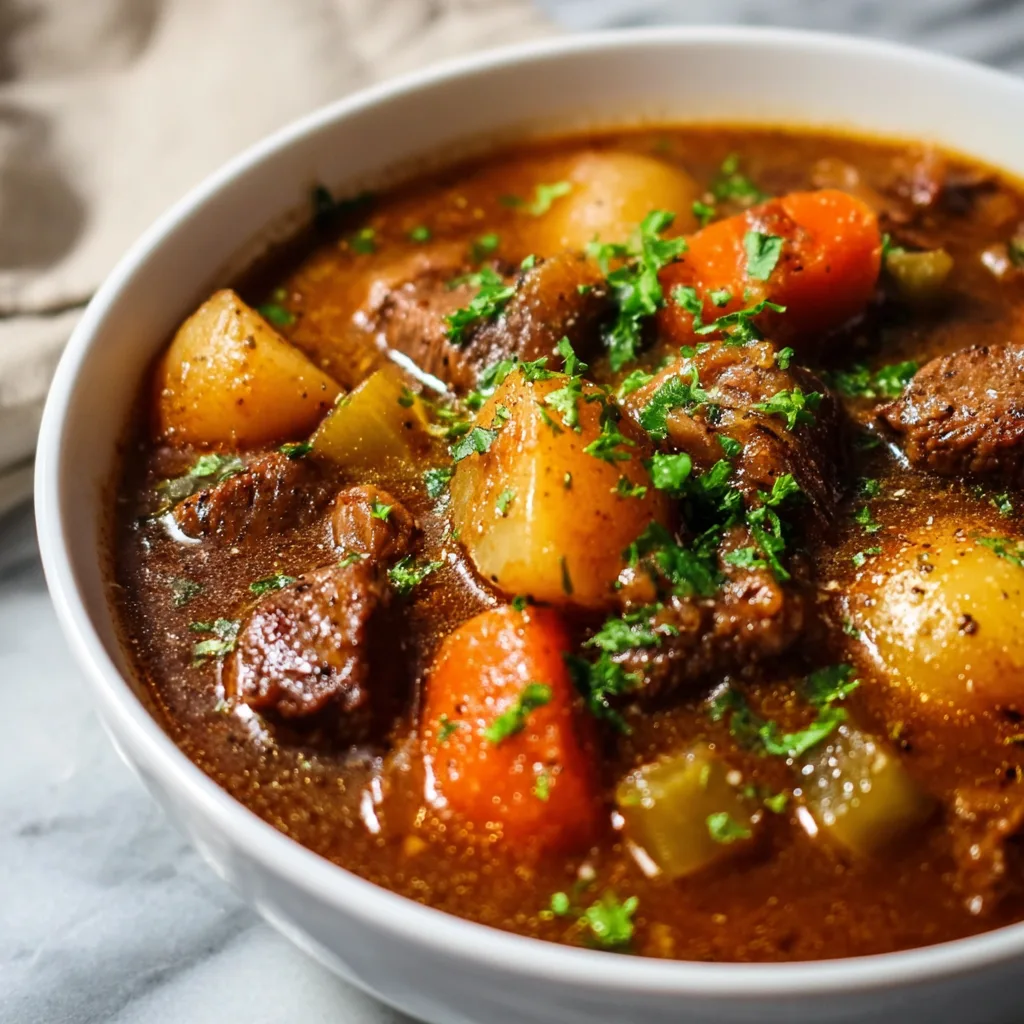
This recipe stays true to tradition while ensuring consistent, foolproof results every time.
Why Old-Fashioned Beef Stew Is Still a Favorite
Classic beef stew has stood the test of time for good reason. It’s affordable, filling, and incredibly satisfying. But more than that, it’s a recipe rooted in comfort and care.
What makes old-fashioned beef stew special:
- Uses tough cuts of beef that become tender with slow cooking
- Builds flavor in layers for rich, deep taste
- Includes familiar vegetables that hold up during long simmering
- Creates a thick, savory gravy without being heavy
It’s not flashy food—it’s real food, the kind that feels like home.
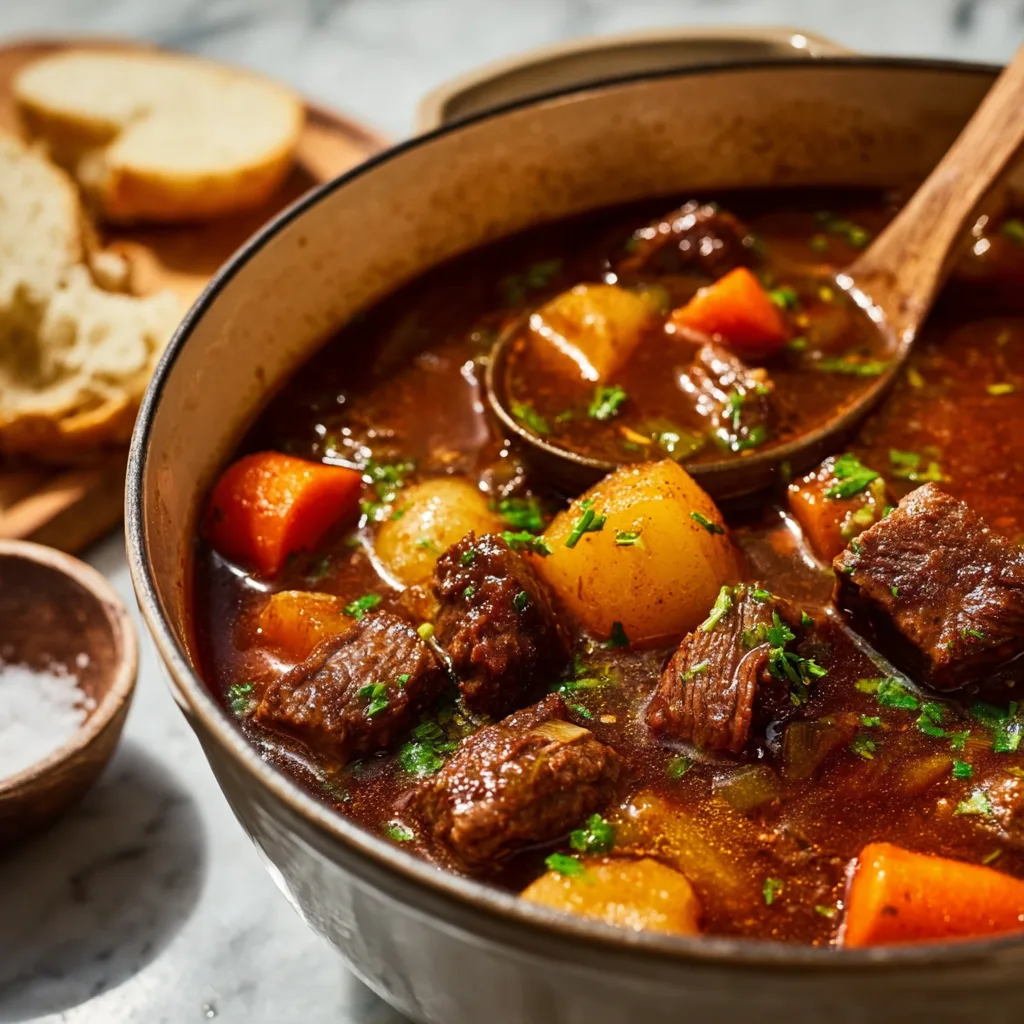
The Heart of the Dish: Choosing the Right Beef
For traditional beef stew, beef chuck is the gold standard. This cut comes from the shoulder and contains connective tissue that breaks down during slow cooking, creating tender meat and a rich broth.
Avoid lean cuts, which can dry out and become tough. Stew is all about transformation—time and gentle heat turn humble ingredients into something extraordinary.
Ingredients for Old-Fashioned Beef Stew
Each ingredient contributes to the stew’s depth, texture, and balance.
Ingredients:
- Beef chuck
- All-purpose flour
- Olive oil or vegetable oil
- Onion
- Garlic
- Carrots
- Potatoes
- Beef broth
- Tomato paste
- Bay leaves
- Dried thyme
- Salt
- Black pepper
- Fresh parsley (optional garnish)
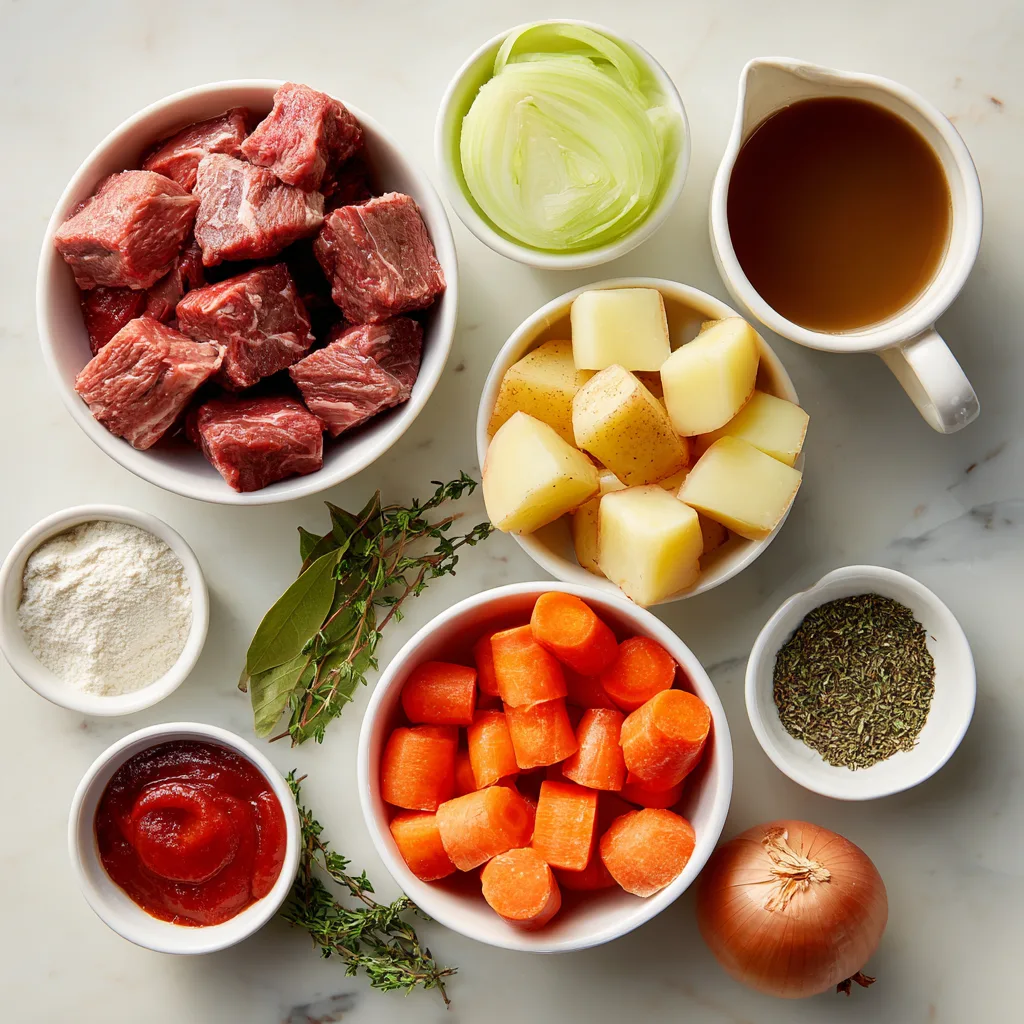
These pantry-friendly ingredients come together to create bold, comforting flavor.
How to Make Old-Fashioned Beef Stew
This stew is built in stages to maximize flavor.
Instructions:
- Prepare the beef
Cut beef into evenly sized chunks. Pat dry and season with salt and pepper, then lightly coat with flour. This helps create a rich, thick gravy. - Brown the beef
Heat oil in a heavy pot or Dutch oven. Brown beef in batches, searing all sides. Remove and set aside. - Sauté aromatics
In the same pot, add chopped onion and cook until softened. Stir in garlic and cook briefly until fragrant. - Build the base
Add tomato paste and cook for a minute to deepen flavor. Return beef to the pot. - Add liquid and herbs
Pour in beef broth, scraping the bottom to release browned bits. Add bay leaves and thyme. - Simmer slowly
Bring to a gentle simmer, cover, and cook until beef begins to soften. - Add vegetables
Stir in carrots and potatoes. Continue simmering until vegetables are tender and stew thickens. - Finish and rest
Remove bay leaves, adjust seasoning, and let the stew rest briefly before serving.
Old-Fashioned Beef Stew
Ingredients
Equipment
Method
- Season and flour beef chunks.
- Brown beef in oil in batches; remove and set aside.
- Sauté onion and garlic in the same pot.
- Stir in tomato paste and cook briefly.
- Return beef to pot and add broth, bay leaves, and thyme.
- Cover and simmer for 90 minutes.
- Add carrots and potatoes; simmer 30 minutes more.
- Remove bay leaves, adjust seasoning, and serve.
Notes
The Secret to Rich, Thick Stew Gravy
Old-fashioned beef stew isn’t soupy—it’s thick, rich, and hearty.
Key techniques:
- Flour-coated beef creates natural thickening
- Browning adds depth and color
- Slow simmering allows starches to release gradually
Avoid rushing this step. Low and slow is the foundation of classic stew.
Flavor Variations (Without Losing Tradition)
You can customize this stew while keeping its old-fashioned soul intact.
Vegetable Add-Ins
- Celery
- Parsnips
- Turnips
Herb Options
- Rosemary
- Fresh thyme instead of dried
Extra Depth
- A splash of Worcestershire sauce
- A pinch of paprika
Keep additions simple and complementary.
What to Serve with Old-Fashioned Beef Stew
This stew is a meal on its own, but sides can enhance it.
Perfect pairings include:
- Crusty bread or dinner rolls
- Mashed potatoes
- Buttered noodles
- Simple green salad
Bread is especially essential—it’s perfect for soaking up the gravy.
Make-Ahead, Storage, and Freezing Tips
Make-Ahead:
Beef stew tastes even better the next day as flavors continue to develop.
Storage:
Refrigerate leftovers in an airtight container for up to 4 days.
Freezing:
Freeze cooled stew for up to 3 months. Thaw overnight before reheating.
Reheating:
Reheat gently on the stovetop, adding a splash of broth if needed.
Common Mistakes to Avoid
- Skipping the browning step
- Boiling instead of simmering
- Cutting vegetables too small
- Using lean beef
- Under-seasoning
Avoiding these ensures a rich, satisfying stew.
Why This Recipe Works Every Time
This old-fashioned beef stew recipe follows time-tested techniques that generations have relied on. There are no unnecessary shortcuts—just solid cooking fundamentals that deliver consistent, comforting results.
It’s dependable, adaptable, and deeply satisfying.
Final Thoughts
Old-Fashioned Beef Stew is more than just a recipe—it’s a reminder that great food doesn’t need to be complicated. With simple ingredients, patience, and care, you can create a meal that feels nourishing in every sense of the word.
This is the kind of dish that becomes a family tradition.