Southern Hoe Cakes (Johnny Cakes): A Timeless Southern Classic
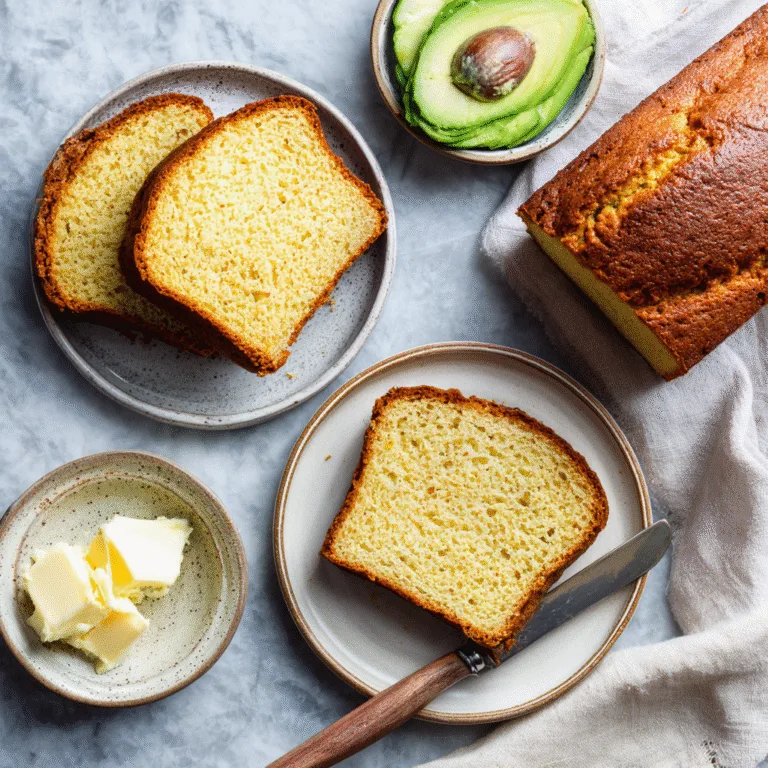
Few recipes capture the heart of Southern cooking quite like Southern Hoe Cakes, also known as Johnny Cakes. Simple, humble, and deeply rooted in American history, these golden cornmeal cakes have been feeding families for generations. Crisp on the outside, tender on the inside, and made with just a handful of pantry staples, hoe cakes are the kind of food that tells a story with every bite.
Long before modern kitchens and convenience foods, hoe cakes were cooked over open fires, sometimes on the flat blade of a field hoe—hence the name. Today, they’re most often cooked in a hot skillet, but the spirit of the recipe remains unchanged: practical, filling, and comforting.
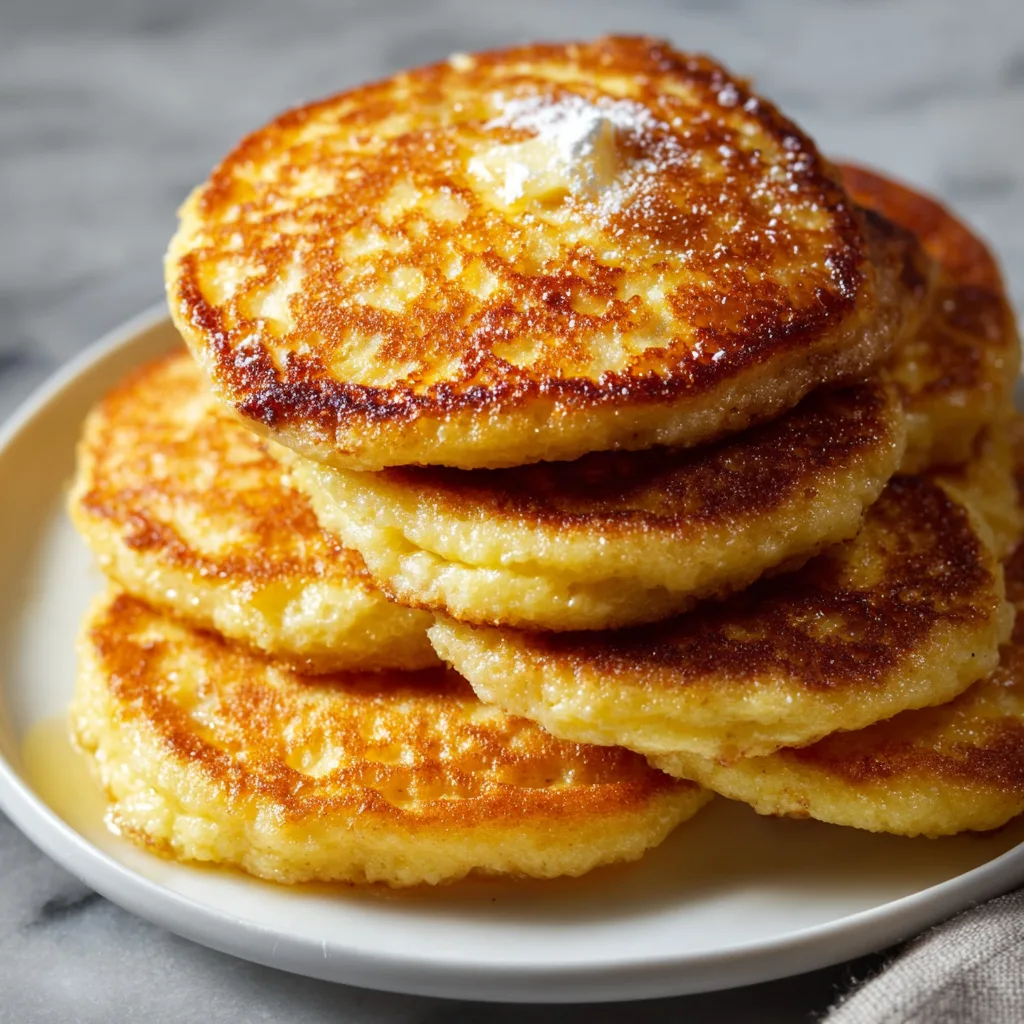
Whether served alongside beans, greens, fried chicken, or enjoyed warm with butter and honey, Southern hoe cakes remain a beloved staple that bridges history, culture, and flavor.
What Are Hoe Cakes (Johnny Cakes)?
Hoe cakes are simple cornmeal-based flatbreads that originated in early American and Native American cooking traditions. While versions of Johnny cakes appear throughout early American history, Southern hoe cakes evolved into a thinner, pan-fried corn cake with crisp edges and a soft center.
Unlike cornbread, hoe cakes are cooked on the stovetop rather than baked, and unlike pancakes, they rely on cornmeal for their distinct texture and flavor. The result is something rustic, hearty, and incredibly satisfying.
Depending on the region, hoe cakes may be savory or lightly sweet, thick or thin, but they always celebrate cornmeal as the star ingredient.
A Brief History of Southern Hoe Cakes
Corn has been a staple food in North America for thousands of years, long before European settlers arrived. Native American communities introduced early colonists to cornmeal-based breads, which eventually evolved into recipes like hoe cakes and Johnny cakes.
In the American South, hoe cakes became especially popular because:
- Cornmeal was affordable and widely available
- Recipes required minimal equipment
- They could be cooked outdoors or indoors
- They provided filling nourishment for long workdays
Enslaved people and poor farming families relied heavily on hoe cakes as a primary food source. Over time, what began as survival food became comfort food—a symbol of resilience and tradition passed down through generations.
Why Southern Hoe Cakes Are Still Loved Today
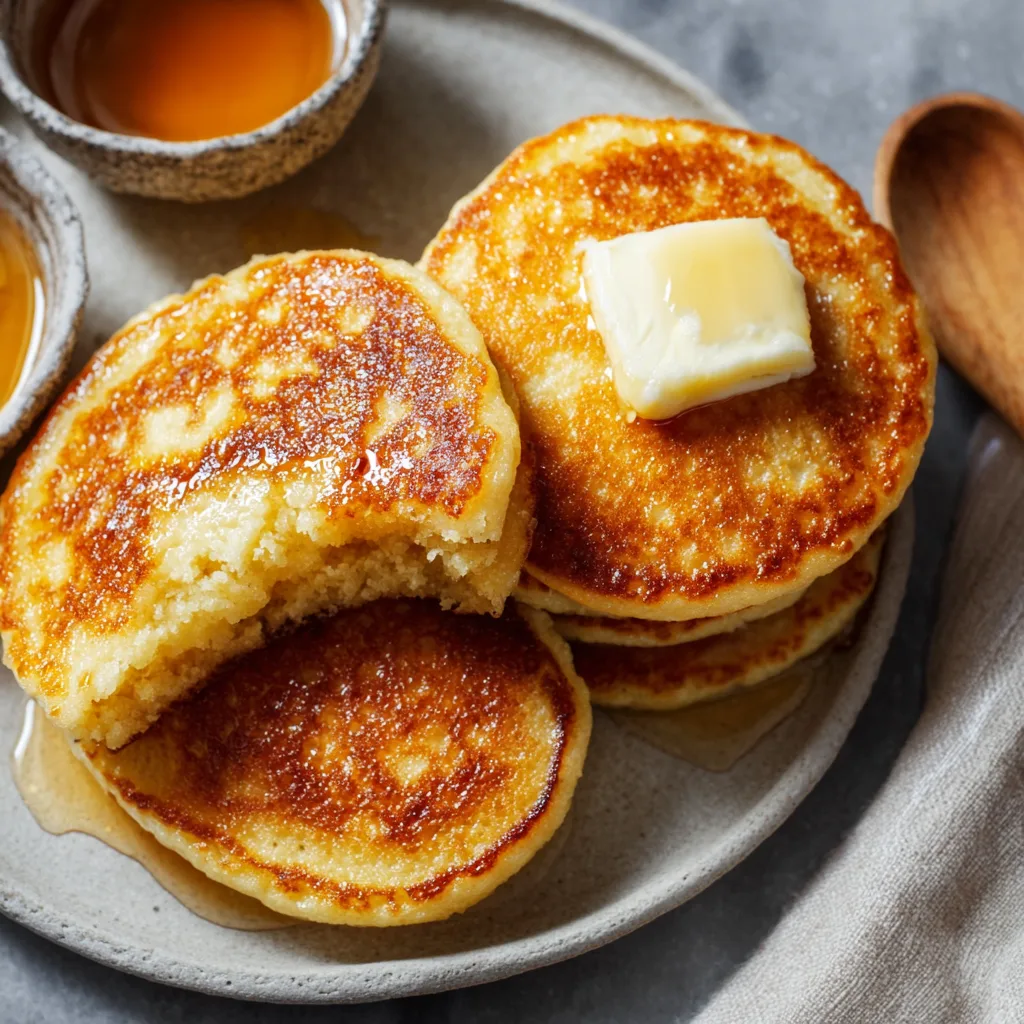
Despite their humble origins, hoe cakes have endured because they’re simply delicious. They offer:
- Crisp, golden edges
- A tender, slightly crumbly interior
- Rich corn flavor
- Incredible versatility
They can be eaten sweet or savory, served as a side or a main component, and adapted to fit modern tastes without losing their traditional charm.
Ingredients You’ll Need
Southern hoe cakes use simple, honest ingredients—nothing fancy, nothing unnecessary.
- Cornmeal
- All-purpose flour
- Salt
- Sugar (optional, for lightly sweet hoe cakes)
- Baking powder
- Egg
- Milk or buttermilk
- Butter or oil (for cooking)
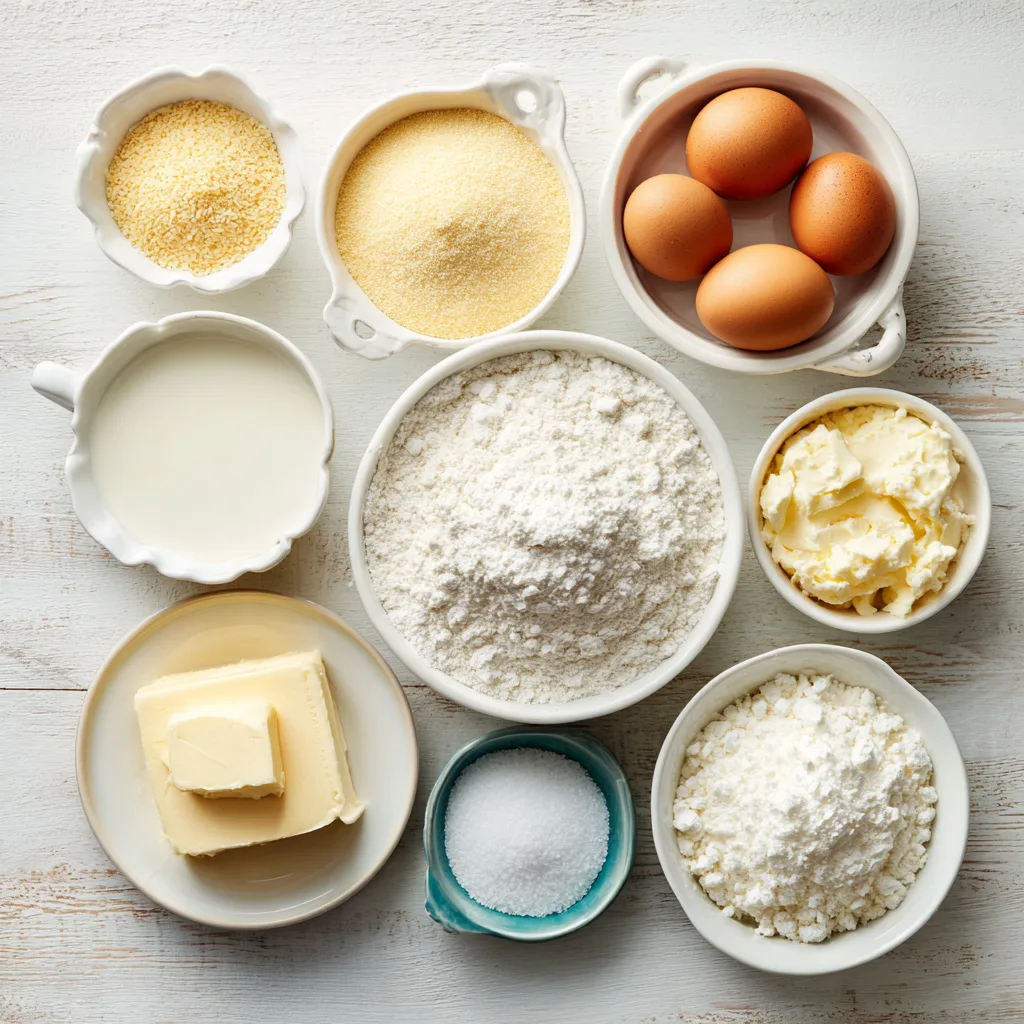
Each ingredient plays a role in balancing texture and flavor, creating a cake that’s crisp outside and soft inside.
How to Make Southern Hoe Cakes (Step-by-Step)
- Mix the Dry Ingredients
In a bowl, whisk together cornmeal, flour, baking powder, salt, and sugar if using. - Add the Wet Ingredients
Stir in egg and milk until a thick but pourable batter forms. The batter should be looser than cornbread but thicker than pancake batter. - Heat the Skillet
Heat a cast-iron skillet or heavy pan over medium heat. Add butter or oil and allow it to get hot. - Cook the Hoe Cakes
Spoon batter into the skillet, spreading gently into thin rounds. Cook until bubbles form and edges turn golden. - Flip and Finish
Flip carefully and cook until the second side is golden brown and crisp. - Serve Warm
Remove from skillet and serve immediately with butter, honey, or savory toppings.
Southern Hoe Cakes (Johnny Cakes)
Ingredients
Equipment
Method
- Whisk together cornmeal, flour, baking powder, salt, and sugar if using.
- Stir in egg and milk until a thick batter forms.
- Heat butter or oil in a skillet over medium heat.
- Spoon batter into skillet and spread into thin rounds.
- Cook until edges are golden, then flip and cook until crisp.
- Remove from skillet and serve warm.
Notes
Tips for Perfect Hoe Cakes Every Time
- Use a hot skillet to get crisp edges
- Don’t overcrowd the pan—cook in batches
- Adjust batter thickness depending on preference
- Cast iron works best for even browning
Sweet vs. Savory Hoe Cakes
One of the best things about hoe cakes is how adaptable they are.
Sweet Style
- Add sugar or honey to the batter
- Serve with butter, syrup, or jam
- Pair with breakfast dishes
Savory Style
- Skip the sugar
- Add salt, pepper, or herbs
- Serve with beans, greens, or meats
Both versions stay true to the recipe’s roots while offering different experiences.
What to Serve with Southern Hoe Cakes
Hoe cakes shine as a side dish but can also stand on their own.
Popular pairings include:
- Collard greens or turnip greens
- Pinto beans or black-eyed peas
- Fried chicken or pork chops
- Eggs and bacon
- Butter and honey
They’re especially beloved with saucy dishes, soaking up every last bit of flavor.
Make-Ahead and Storage Tips
- Make ahead: Batter can rest briefly but is best used fresh
- Store leftovers: Refrigerate cooked hoe cakes up to 3 days
- Reheat: Warm in a skillet to restore crispness
Why This Recipe Works
Southern hoe cakes succeed because they honor simplicity. Cornmeal provides bold flavor, the skillet delivers texture, and minimal ingredients let tradition shine. There’s no need to overcomplicate a recipe that’s already stood the test of time.
It’s proof that some of the best foods come from humble beginnings.
Final Thoughts
Southern Hoe Cakes (Johnny Cakes) are more than just a recipe—they’re a piece of culinary history. Crispy, comforting, and endlessly versatile, they remind us that good food doesn’t have to be complicated to be meaningful.
Whether you serve them sweet or savory, for breakfast or supper, hoe cakes bring warmth, tradition, and timeless flavor to the table.