Texas Roadhouse-Style Baked Salmon: Restaurant-Quality Fish at Home
If you’ve ever enjoyed the legendary baked salmon at Texas Roadhouse and wished you could recreate that incredible flavor at home, you’re in luck. This Texas Roadhouse-style baked salmon recipe delivers the same buttery, caramelized perfection that makes the restaurant version so addictive. With a rich garlic-herb butter sauce and a beautifully golden top, this salmon recipe transforms a simple fish fillet into an extraordinary dinner that rivals any steakhouse experience.
What makes this recipe truly special is the signature sweet and savory glaze that caramelizes during baking, creating an irresistible crust on top while keeping the salmon moist and flaky inside. The combination of butter, brown sugar, garlic, and herbs creates a complex flavor profile that elevates the natural richness of the salmon. Whether you’re cooking for a special occasion or simply want to bring restaurant-quality dining to your weeknight dinner table, this Texas Roadhouse-style baked salmon recipe is guaranteed to impress.
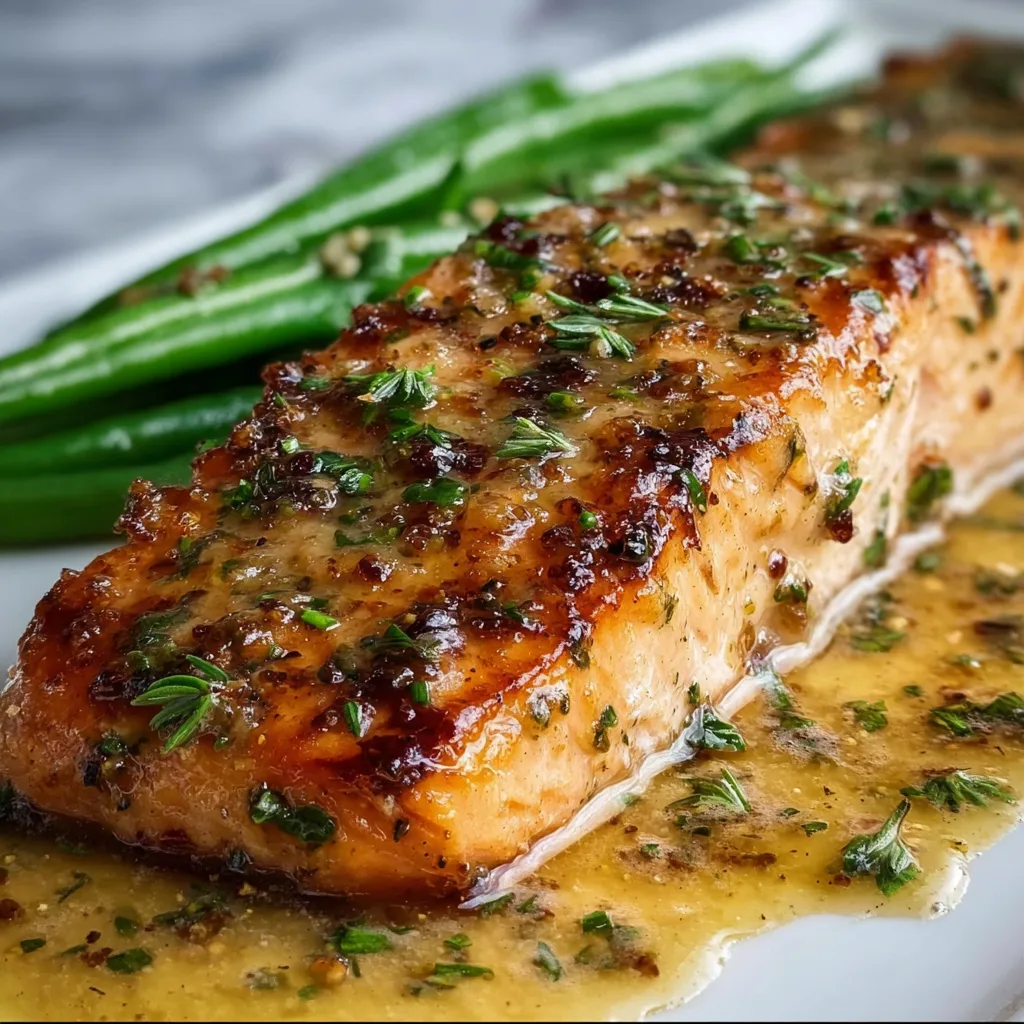
The beauty of this recipe lies in its simplicity—you don’t need professional cooking skills or fancy equipment to achieve steakhouse-worthy results. In just about 30 minutes from start to finish, you’ll have a gorgeous, flavorful salmon dish that looks like it came straight from a high-end restaurant kitchen. The butter sauce does all the heavy lifting, infusing the fish with incredible flavor while creating that signature caramelized exterior that Texas Roadhouse fans know and love.
Why This Texas Roadhouse Salmon Recipe Works
The secret to restaurant-quality salmon at home is all about the sauce. Texas Roadhouse’s famous salmon gets its distinctive flavor from a carefully balanced butter-based glaze that combines sweet and savory elements in perfect harmony. The brown sugar provides subtle sweetness and aids in caramelization, while garlic and herbs add depth and aromatic complexity. Worcestershire sauce and soy sauce contribute umami richness that enhances the natural flavor of the salmon without overwhelming it.
This recipe works beautifully because it uses high heat to quickly caramelize the exterior while keeping the interior perfectly tender and moist. The butter sauce creates a protective barrier that prevents the salmon from drying out during baking, ensuring every bite is juicy and flavorful. The combination of ingredients creates a glaze that thickens and intensifies during cooking, forming that gorgeous golden-brown crust that’s the hallmark of Texas Roadhouse salmon.
Another reason this recipe succeeds is its foolproof cooking method. By baking the salmon at a consistent temperature and basting it with the butter sauce throughout cooking, you achieve even caramelization and consistent results every time. The recipe is forgiving enough for beginners but impressive enough to serve at dinner parties. The visual appeal of the caramelized top with fresh herbs makes this dish Instagram-worthy, while the incredible flavor keeps everyone coming back for seconds.
Understanding Salmon Selection for Best Results
Choosing the right salmon is crucial for achieving Texas Roadhouse-quality results at home. Fresh, high-quality salmon makes all the difference in both flavor and texture. Look for salmon fillets with vibrant color—whether you choose Atlantic salmon with its rich pink hue or sockeye with deeper red tones, the flesh should appear moist and slightly translucent. Avoid salmon that looks dull, dried out, or has brown spots, as these are signs of age and will result in inferior flavor.

When selecting salmon for this recipe, opt for center-cut fillets with even thickness throughout. Uniform thickness ensures the salmon cooks evenly, preventing thin edges from overcooking while thicker sections remain underdone. If possible, choose salmon with the skin removed, as this recipe focuses on caramelizing the top surface. However, if you can only find skin-on fillets, simply place them skin-side down and the recipe will work perfectly—the skin helps hold the fish together during cooking.
The size of your salmon fillet matters too. For this recipe, individual fillets weighing 6 to 8 ounces work best, as they cook evenly and are perfect single-serving portions. If you’re feeding a crowd, you can use one large salmon fillet and adjust the cooking time accordingly, though individual portions tend to caramelize more evenly. Fresh salmon is always preferable, but if you’re using frozen salmon, thaw it completely in the refrigeaster overnight before cooking, and pat it thoroughly dry to ensure proper caramelization.
Ingredients
For the Salmon:
- 4 salmon fillets (6-8 oz each)
- Salt and black pepper to taste
For the Butter Sauce:
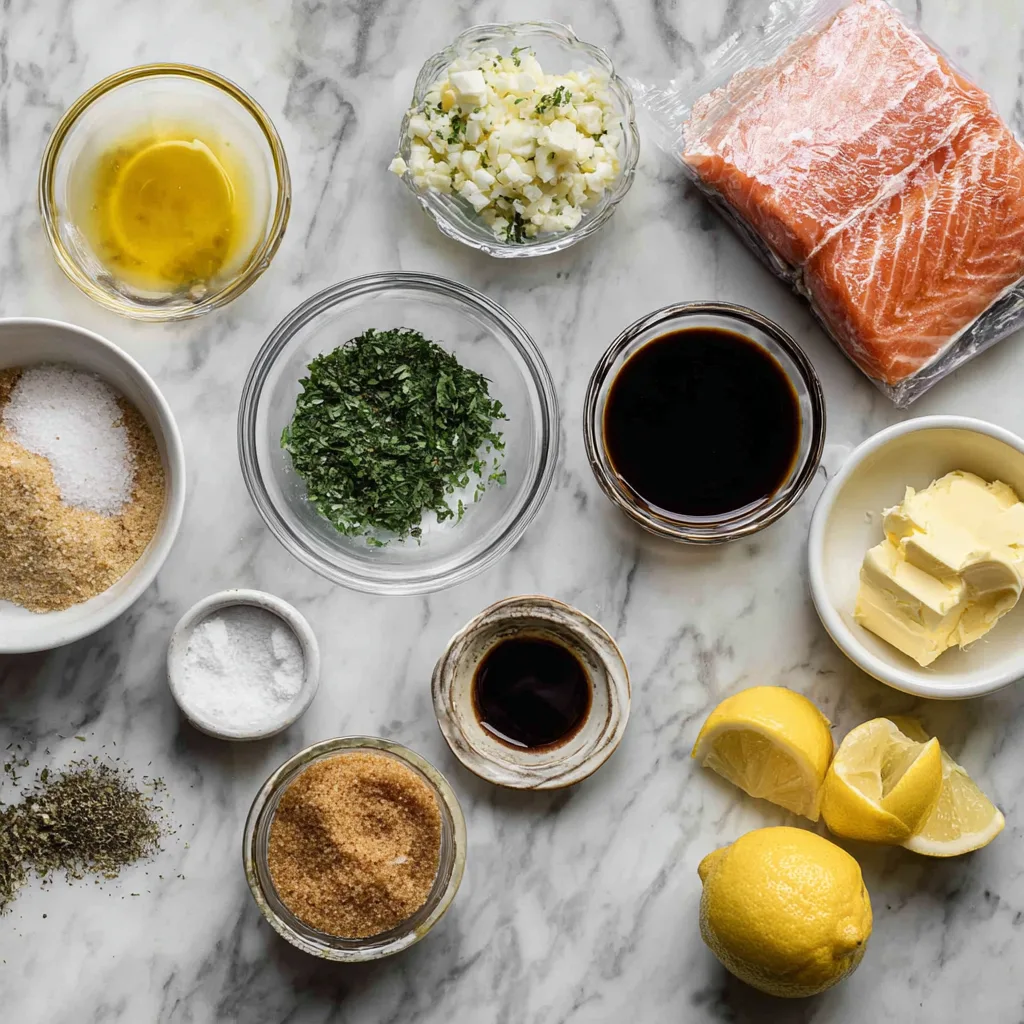
- 1/2 cup unsalted butter, melted
- 3 tablespoons brown sugar
- 3 cloves garlic, minced
- 2 tablespoons lemon juice
- 1 tablespoon Worcestershire sauce
- 1 tablespoon soy sauce
- 1 teaspoon dried parsley
- 1/2 teaspoon black pepper
- Fresh parsley for garnish
Instructions
- Preheat your oven to 400°F (200°C) and line a baking sheet with parchment paper or aluminum foil for easy cleanup.
- Pat the salmon fillets completely dry with paper towels, then season both sides generously with salt and black pepper. Place the fillets on the prepared baking sheet, spacing them apart.
- In a medium bowl, whisk together the melted butter, brown sugar, minced garlic, lemon juice, Worcestershire sauce, soy sauce, dried parsley, and black pepper until the sugar dissolves completely and the mixture is smooth.
- Brush approximately half of the butter sauce generously over the top of each salmon fillet, making sure to coat the entire surface evenly.
- Bake the salmon for 10 minutes, then remove from the oven and baste with more butter sauce, ensuring the tops are well-coated.
- Return the salmon to the oven and continue baking for another 8-12 minutes, or until the salmon flakes easily with a fork and the top is beautifully caramelized and golden brown. The internal temperature should reach 145°F.
- During the last few minutes of cooking, if you want extra caramelization, switch the oven to broil and watch carefully to prevent burning. The tops should become deeply golden and slightly crispy.
- Remove the salmon from the oven and let it rest for 2-3 minutes. Drizzle any remaining butter sauce over the fillets, garnish with fresh chopped parsley, and serve immediately.
Texas Roadhouse-Style Baked Salmon
Ingredients
Equipment
Method
- Preheat oven to 400°F (200°C) and line a baking sheet with parchment paper.
- Pat salmon fillets dry with paper towels and season both sides with salt and pepper. Place on prepared baking sheet.
- Whisk together melted butter, brown sugar, garlic, lemon juice, Worcestershire sauce, soy sauce, dried parsley, and black pepper until smooth.
- Brush half of the butter sauce generously over the top of each salmon fillet.
- Bake for 10 minutes, then remove and baste with more butter sauce.
- Return to oven and bake another 8-12 minutes until salmon flakes easily and top is caramelized. Internal temperature should reach 145°F.
- Optional: Switch to broil for final 1-2 minutes for extra caramelization, watching carefully to prevent burning.
- Let rest 2-3 minutes, drizzle with remaining sauce, garnish with fresh parsley, and serve immediately.
Notes
Mastering the Perfect Caramelization
The signature feature of Texas Roadhouse salmon is that gorgeous caramelized crust on top, and achieving it at home requires attention to a few key techniques. First, make sure your salmon is completely dry before applying the butter sauce—excess moisture prevents proper caramelization and results in steaming rather than browning. Pat the fillets thoroughly with paper towels until no moisture remains on the surface.
The brown sugar in the butter sauce is essential for caramelization, but it’s important not to rush the process. Baking at 400°F allows the sugars to caramelize gradually while the salmon cooks through evenly. If the temperature is too high, the outside burns before the inside cooks properly; too low, and you won’t achieve that beautiful golden crust. The two-stage basting process ensures the sauce builds up in layers, creating depth of flavor and a thicker glaze.
Broiling at the end is optional but recommended for achieving that restaurant-quality finish. If you choose to broil, watch the salmon like a hawk—the difference between perfectly caramelized and burnt happens in seconds under the broiler. Position the oven rack about 6 inches from the broiler element and broil for just 1-2 minutes until the top becomes deeply golden and slightly bubbly. This final step mimics the high-heat finishing technique used in professional kitchens and creates that irresistible crispy-sweet crust.
Serving Suggestions and Pairings
Texas Roadhouse-style baked salmon is a show-stopping main course that pairs beautifully with a variety of side dishes. Classic steakhouse sides work perfectly with this rich, buttery salmon. Consider serving it alongside garlic mashed potatoes that can soak up the delicious butter sauce, or opt for herb-roasted baby potatoes for a lighter option. Steamed or roasted vegetables like green beans, asparagus, or Brussels sprouts provide freshness and color contrast to the rich salmon.
For a complete Texas Roadhouse experience, add a fresh garden salad with ranch dressing or their famous Caesar salad on the side. Warm dinner rolls or garlic bread are perfect for mopping up any extra butter sauce on the plate—trust me, you won’t want to waste a drop of that liquid gold. Rice pilaf or wild rice also make excellent accompaniments, absorbing the flavorful sauce while adding textural variety to the meal.
If you’re entertaining, consider creating a surf-and-turf combination by pairing this salmon with a small filet mignon or grilled shrimp. The butter sauce is so versatile that it complements other proteins beautifully. For a wine pairing, choose a medium-bodied white wine like Chardonnay or Pinot Grigio that can stand up to the rich, buttery flavors without overwhelming the delicate salmon. A light, crisp rosé also works wonderfully, especially during warmer months.
Storage and Reheating Tips
Leftover Texas Roadhouse-style salmon stores remarkably well, making it perfect for meal prep or enjoying throughout the week. Allow the cooked salmon to cool to room temperature, then transfer it to an airtight container and refrigerate for up to 3 days. The butter sauce may solidify when cold, but this actually helps keep the salmon moist during storage. When properly stored, the salmon maintains its flavor and texture beautifully.
Reheating salmon requires gentle care to prevent drying it out. The best method is to reheat in a 275°F oven for about 15 minutes, covered loosely with foil to retain moisture. You can add a small pat of butter or a drizzle of the reserved sauce before reheating to keep it extra moist. Avoid using the microwave if possible, as it tends to make salmon rubbery and uneven in texture. If you must use a microwave, do so at 50% power in 30-second intervals.
For freezing, wrap individual salmon portions tightly in plastic wrap, then place in a freezer-safe bag or container. Frozen cooked salmon keeps for up to 2 months. Thaw overnight in the refrigerator before reheating. While the texture may be slightly less flaky after freezing, the flavor remains excellent. Leftover salmon also works wonderfully flaked into salads, pasta dishes, or salmon cakes for completely different meals throughout the week.
Troubleshooting Common Salmon Cooking Issues
Even experienced cooks sometimes encounter challenges when preparing salmon. If your salmon is drying out, the most common culprits are overcooking or too high heat. Remember that salmon continues cooking slightly after you remove it from the oven due to carryover heat, so it’s better to pull it out just before it’s completely done. The flesh should be opaque and flake easily but still appear slightly translucent in the very center when you remove it from the oven.
If the butter sauce isn’t caramelizing properly, ensure you’re using brown sugar rather than white sugar, as brown sugar caramelizes more readily and adds deeper flavor. Also check that your oven is properly preheated and maintaining the correct temperature—an oven thermometer is an inexpensive tool that ensures accuracy. If the sauce slides off the salmon instead of adhering, the fish may have been too wet initially, or you may need to reduce the sauce slightly on the stovetop before brushing it on.
White albumin (that white, chalky substance that sometimes appears on cooked salmon) is harmless but unappealing. It occurs when salmon is cooked too quickly at too high a temperature, causing proteins to coagulate on the surface. To minimize albumin, bring salmon to room temperature for 15 minutes before cooking, cook at moderate rather than very high heat, and avoid overcooking. Brining salmon in saltwater for 10 minutes before cooking also helps reduce albumin appearance while seasoning the fish throughout.
Making It Your Own: Variations and Customizations
While this Texas Roadhouse-style salmon recipe is perfect as written, it’s also wonderfully adaptable to different tastes and dietary preferences. For a spicier version, add a pinch of cayenne pepper or red pepper flakes to the butter sauce. The heat provides a nice contrast to the sweetness and creates a more complex flavor profile. If you prefer less sweetness, reduce the brown sugar to 2 tablespoons or substitute with honey for a different type of sweetness with floral notes.
Fresh herbs transform this recipe in beautiful ways. Try swapping dried parsley for fresh dill, which has a natural affinity with salmon and adds a bright, fresh flavor. Fresh thyme or rosemary also work wonderfully, though use them sparingly as their flavors are more assertive. A tablespoon of Dijon mustard added to the butter sauce creates a tangy variation that cuts through the richness. For an Asian-inspired twist, increase the soy sauce and add a teaspoon of sesame oil and fresh ginger.
If you’re following a low-carb or keto diet, this recipe already fits perfectly—simply reduce or omit the brown sugar, as the natural fats in the salmon and butter provide plenty of flavor without added sweetness. For a dairy-free version, substitute the butter with olive oil or ghee, though the flavor will be slightly different. You can also use this same butter sauce on other fish like halibut, mahi-mahi, or even chicken breasts, adjusting cooking times accordingly.
Bringing Restaurant Quality to Your Home Kitchen
The joy of recreating Texas Roadhouse’s famous baked salmon at home goes beyond just saving money on dining out—it’s about mastering a technique that transforms simple ingredients into something extraordinary. This recipe proves that restaurant-quality meals are absolutely achievable in home kitchens with the right combination of quality ingredients and proper technique. The confidence you’ll gain from nailing this recipe will inspire you to tackle other restaurant copycats.
What makes this particular salmon recipe so successful is how it captures the essence of steakhouse dining: bold flavors, beautiful presentation, and that sense of indulgence that makes eating out special. By understanding the principles behind the recipe—the balance of sweet and savory, the importance of proper caramelization, the technique of basting to build flavor—you’re learning skills that apply to countless other dishes beyond just this salmon recipe.
The next time you’re craving that Texas Roadhouse salmon experience, you won’t need to make a reservation or wait for a table. With this recipe in your arsenal, you can create the same memorable meal in your own kitchen, customized exactly to your preferences and served fresh from your oven. Whether it’s a special occasion dinner or an elevated weeknight meal, this Texas Roadhouse-style baked salmon delivers restaurant-quality results that will have everyone asking for your secret recipe.
Conclusion: Your New Favorite Salmon Recipe
This Texas Roadhouse-style baked salmon recipe is more than just a copycat—it’s a foolproof method for achieving perfectly cooked, beautifully caramelized salmon every single time. The combination of buttery richness, subtle sweetness, and savory depth creates a flavor profile that appeals to seafood lovers and even those who typically shy away from fish. With simple ingredients and straightforward technique, this recipe makes restaurant-quality salmon accessible to home cooks of all skill levels.
The versatility of this recipe means it’s equally appropriate for a Tuesday night family dinner or an impressive entrée for entertaining guests. The gorgeous presentation with its golden caramelized top and aromatic herb garnish makes every plate look like it came from a professional kitchen. Best of all, the entire cooking process takes less than 30 minutes, proving that incredible flavor doesn’t require hours of preparation.
Once you experience the magic of this butter-glazed, caramelized salmon, it’s likely to become a regular feature in your meal rotation. The technique is so reliable and the results so consistently delicious that you’ll find yourself reaching for this recipe whenever you want to create something special without spending hours in the kitchen. Give this Texas Roadhouse-style baked salmon a try, and discover why it’s one of the most beloved dishes on their menu—now perfected for your home kitchen.