The Ultimate Baked Cajun Shrimp in Tin Foil Tray Recipe 🍤
When it comes to creating a show-stopping seafood dinner that combines convenience with incredible flavor, nothing beats a perfectly executed baked Cajun shrimp in tin foil tray. This recipe transforms ordinary shrimp into an extraordinary culinary experience that will have your family and guests asking for seconds, thirds, and the recipe itself.
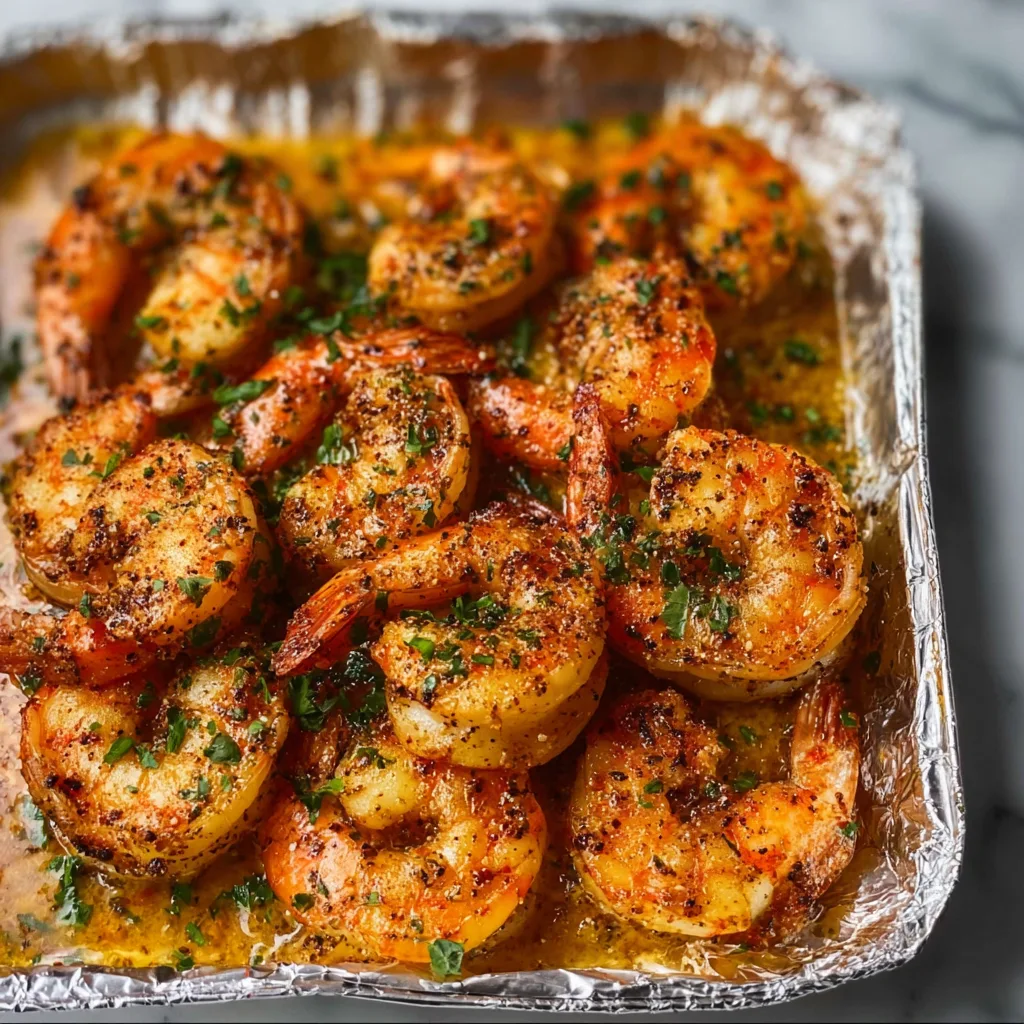
The beauty of this dish lies not only in its bold, spicy flavors but also in its remarkable simplicity. Using disposable aluminum trays makes cleanup a breeze while ensuring even heat distribution for perfectly cooked shrimp every time. The Cajun seasoning blend creates layers of complex flavors that penetrate each succulent shrimp, while the butter base ensures every bite is rich, moist, and absolutely irresistible.
Why Tin Foil Tray Cooking is Revolutionary for Seafood
Cooking seafood in aluminum trays isn’t just a convenience factor – it’s actually a superior cooking method that professional chefs have embraced for decades. The reflective properties of aluminum ensure even heat distribution, preventing hot spots that can lead to overcooked, rubbery shrimp. The contained environment creates a gentle steaming effect that locks in moisture while allowing the Cajun spices to infuse deeply into the shrimp meat.
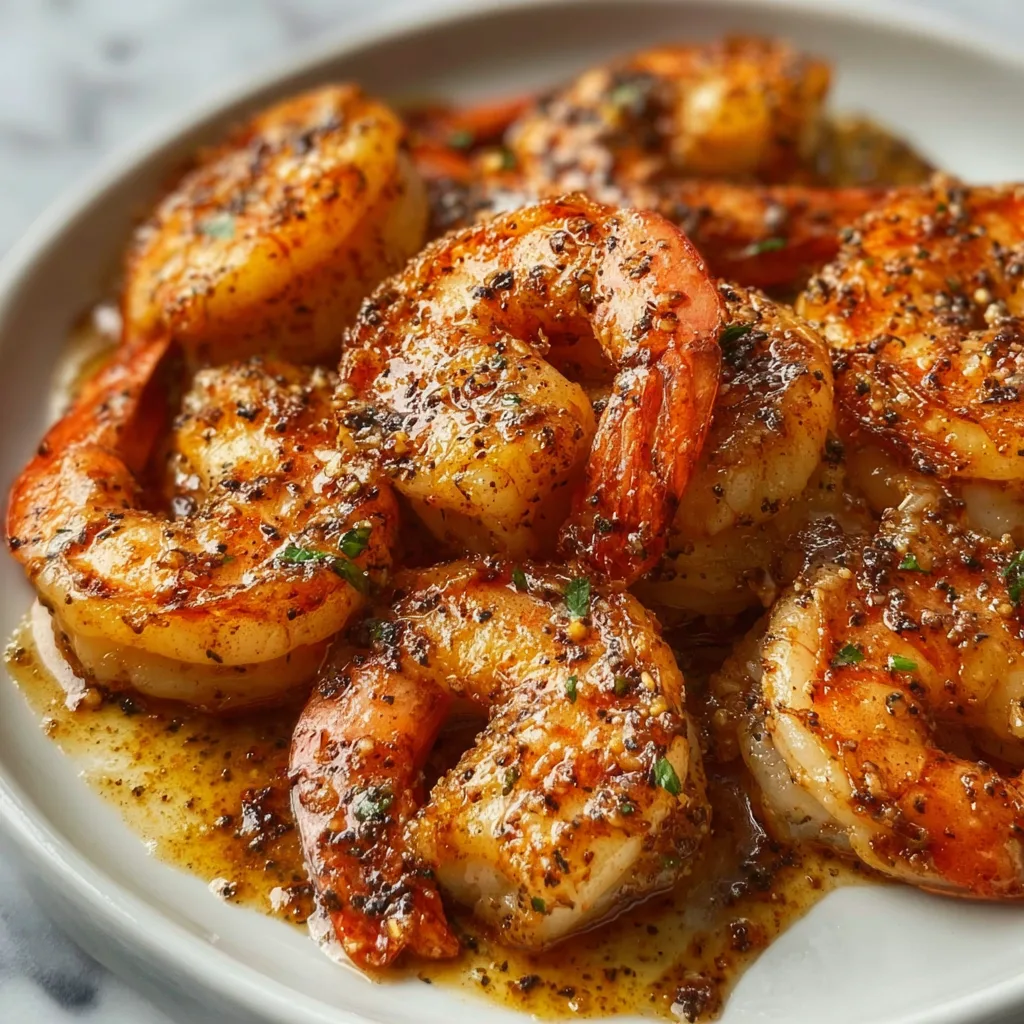
This cooking method also eliminates the guesswork from seafood preparation. Unlike traditional pan-frying or grilling methods where timing can be tricky, baking shrimp in foil trays provides consistent results every single time. The visual indicators are clear – when the shrimp turn that beautiful pink-orange color and curl slightly, they’re perfectly done.
The disposable nature of tin foil trays makes this recipe particularly appealing for entertaining. Whether you’re hosting a backyard barbecue, preparing a weeknight family dinner, or planning a large gathering, you can prepare multiple trays simultaneously without worrying about having enough cookware or spending hours on cleanup afterward.
The Science Behind Perfect Cajun Seasoning Balance
Creating the perfect Cajun seasoning blend is both an art and a science. Traditional Cajun cuisine relies on the holy trinity of flavors: heat, herbs, and aromatics. The heat typically comes from cayenne pepper and paprika, providing both color and intensity. The herbs – usually oregano, thyme, and sometimes basil – add earthiness and complexity. The aromatics, primarily garlic powder and onion powder, create depth and umami richness.
The key to an exceptional Cajun shrimp lies in understanding the ratio of these components. Too much heat overwhelms the delicate sweetness of the shrimp, while too little leaves the dish bland. The perfect balance allows each element to shine while creating a harmonious flavor profile that enhances rather than masks the natural seafood taste.
Fresh ingredients make an enormous difference in the final result. When possible, use fresh garlic instead of powder, fresh herbs instead of dried, and high-quality spices that haven’t been sitting in your pantry for years. The investment in premium ingredients pays dividends in flavor intensity and overall dish satisfaction.
Ingredients
For the Shrimp:
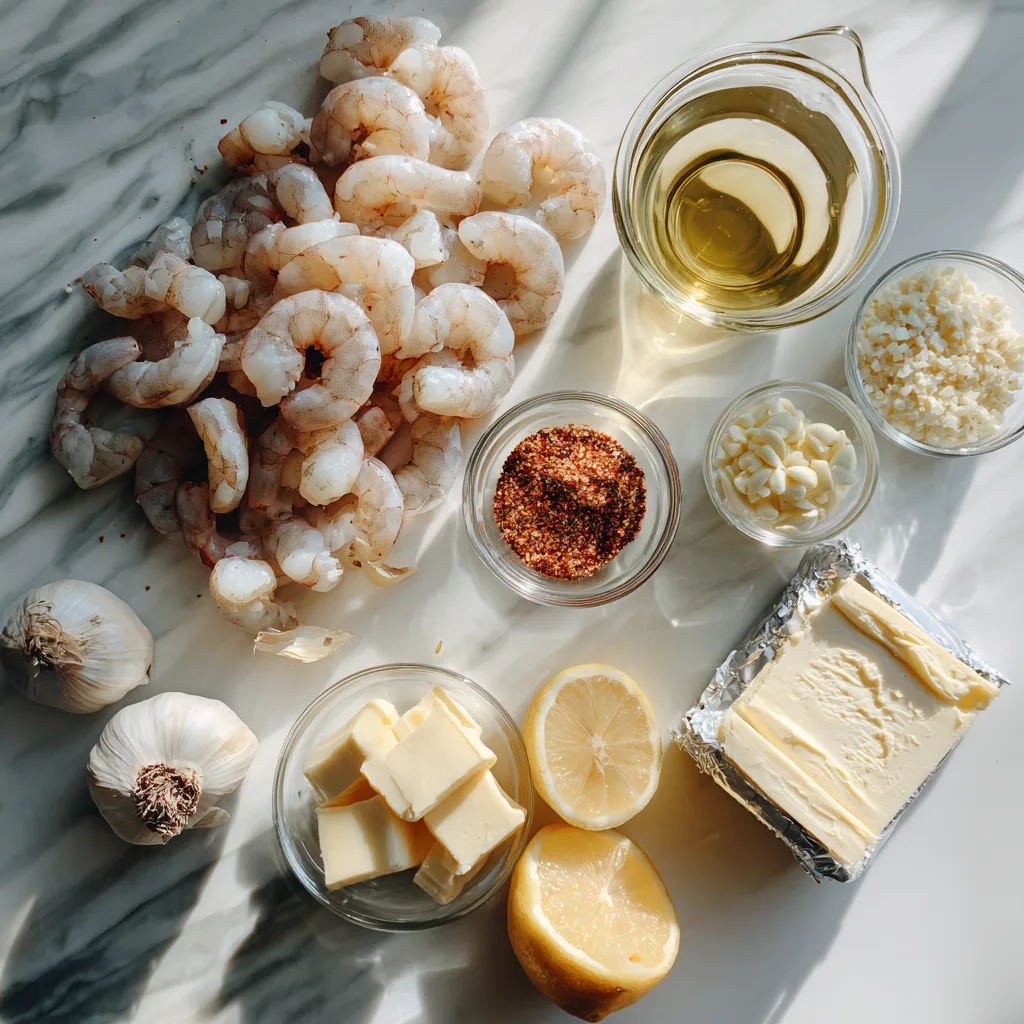
- 2 pounds large raw shrimp, peeled and deveined
- 1/4 cup olive oil
- 4 cloves garlic, minced
- 1/4 cup butter, melted
- 2 tablespoons fresh lemon juice
- 1 tablespoon lemon zest
For the Cajun Seasoning Blend:
- 2 tablespoons paprika
- 1 tablespoon garlic powder
- 1 tablespoon onion powder
- 1 tablespoon dried oregano
- 1 tablespoon dried thyme
- 1 teaspoon cayenne pepper
- 1 teaspoon black pepper
- 1 teaspoon white pepper
- 1 teaspoon salt
- 1/2 teaspoon smoked paprika
For Garnish:
- 2 tablespoons fresh parsley, chopped
- Lemon wedges for serving
- Additional melted butter for drizzling
Instructions
- Preheat your oven to 425°F (220°C) and position the rack in the center position for optimal heat circulation.
- In a small bowl, combine all Cajun seasoning ingredients and whisk thoroughly to ensure even distribution of spices.
- Pat the shrimp completely dry with paper towels, as excess moisture will prevent proper seasoning adhesion and browning.
- In a large mixing bowl, combine olive oil, minced garlic, melted butter, lemon juice, and lemon zest, whisking until well incorporated.
- Add the cleaned shrimp to the butter mixture and toss gently to ensure each piece is completely coated.
- Sprinkle the Cajun seasoning blend over the shrimp and toss again until every shrimp is evenly coated with spices.
- Arrange the seasoned shrimp in a single layer in your disposable aluminum tray, ensuring they don’t overlap for even cooking.
- Pour any remaining butter mixture from the bowl over the arranged shrimp for extra flavor and moisture.
- Bake for 12-15 minutes, or until shrimp are pink, opaque, and slightly curled, checking at the 10-minute mark to prevent overcooking.
- Remove from oven and immediately garnish with fresh chopped parsley and serve with lemon wedges.
Baked Cajun Shrimp in Tin Foil Tray
Ingredients
Equipment
Method
- Preheat oven to 425°F (220°C) and position rack in center.
- Combine all Cajun seasoning ingredients in a small bowl and whisk thoroughly.
- Pat shrimp completely dry with paper towels.
- In large bowl, combine olive oil, garlic, melted butter, lemon juice, and zest.
- Add shrimp to butter mixture and toss until completely coated.
- Sprinkle Cajun seasoning over shrimp and toss until evenly coated.
- Arrange shrimp in single layer in aluminum tray without overlapping.
- Pour remaining butter mixture over arranged shrimp.
- Bake 12-15 minutes until shrimp are pink, opaque, and slightly curled.
- Garnish with fresh parsley and serve with lemon wedges.
Notes
Pro Tips for Shrimp Selection and Preparation
The foundation of exceptional Cajun shrimp begins with selecting the highest quality seafood available. When shopping for shrimp, look for specimens that smell like the ocean – fresh and briny – rather than fishy or ammonia-like. The shells should be translucent with a slight shine, and the meat should feel firm to the touch.
Size matters significantly in this recipe. Large or extra-large shrimp (16-20 count per pound) work best because they can withstand the high heat cooking method without becoming tough or overcooked. Smaller shrimp cook too quickly and often end up rubbery before the flavors have time to develop properly.
Proper deveining technique ensures both food safety and optimal presentation. The dark vein running along the back of the shrimp isn’t just unsightly – it can contain grit and sand that affects texture. Use a small paring knife to make a shallow cut along the back and rinse under cold water to remove the vein completely.
Mastering the Art of Seasoning Distribution
Even seasoning distribution is crucial for consistent flavor in every bite. The secret lies in the methodology: always season the shrimp after they’ve been coated with oil or butter. The fat acts as a binding agent, helping the spices adhere properly rather than falling off during cooking.
When tossing shrimp with seasonings, use a gentle folding motion rather than aggressive stirring. This prevents the delicate shrimp from breaking apart while ensuring thorough coverage. Allow the seasoned shrimp to marinate for at least 10-15 minutes before cooking, giving the spices time to penetrate the meat.
Temperature control during seasoning is equally important. Cold shrimp straight from the refrigerator don’t absorb flavors as readily as those that have been allowed to come to room temperature for 15-20 minutes. This simple step dramatically improves the final taste and texture of your dish.
Serving Suggestions and Flavor Pairings
Cajun shrimp’s bold, spicy profile pairs beautifully with a variety of side dishes that can either complement or balance its intensity. Creamy coconut rice provides a cooling contrast that tames the heat while adding tropical notes. The natural sweetness of the coconut milk creates a perfect flavor bridge with the seafood.
For a more traditional Southern approach, serve over stone-ground cheese grits or alongside buttery cornbread that can soak up the delicious pan juices. The corn-based sides provide neutral flavors that won’t compete with the complex Cajun seasonings while adding satisfying substance to the meal.
Fresh vegetables like roasted asparagus, sautéed green beans, or a crisp cucumber salad provide textural contrast and help cleanse the palate between bites. The key is choosing preparations that don’t add additional heat or competing flavors that might overwhelm the carefully balanced shrimp.
Wrapping Up Your Cajun Shrimp Journey
This baked Cajun shrimp in tin foil tray recipe represents the perfect marriage of convenience and gourmet flavor. By understanding the science behind the cooking method, selecting premium ingredients, and following proper preparation techniques, you’ll create a restaurant-quality dish in your own kitchen with minimal effort and cleanup.
The versatility of this recipe makes it suitable for everything from casual weeknight dinners to elegant entertaining. Whether you’re a seafood novice or an experienced home cook, the foolproof nature of foil tray cooking ensures consistent, delicious results every time you prepare this crowd-pleasing dish.